— — — —— — —
×
— —— —
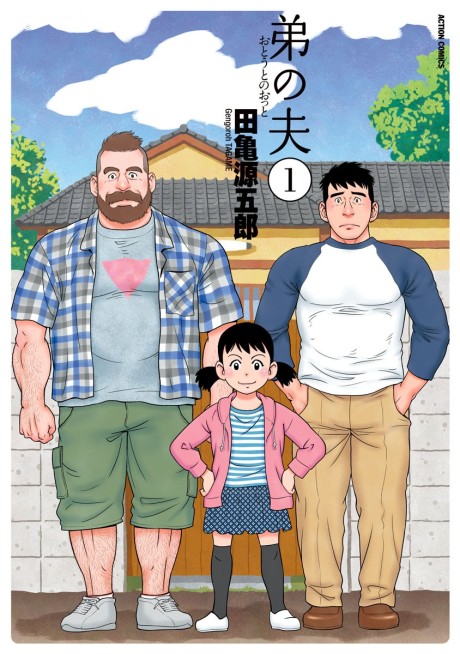
A good and emotional read. The premise is about one man’s, Yaichi's, journey to acceptance; his brother, Ryoji, is gay and has, before the start of the manga, moved to Canada and married a Canadian man. He has since died, and his husband, Mike, now travels to Japan to visit Ryoji's family. Thus begins the manga. The cast is the heart of the story, their interactions simple but impactful.
Yaichi is a single dad who goes through the most change, and it’s wonderful seeing him not just accept, but defend as well. What makes this story stand out to me, besides the acceptance of the idea of two men loving each other, is through Yaichi’s eyes we see other issues pop that reflect how many other things that either are, or also need, acceptance. Briefly we see the stigma against single stay-at-home dads, working mothers, people being turned away from bathhouses for having tattoos, and teachers needing to be better at addressing bullying. Granted, I feel most of these tie in with Japanese culture more so than elsewhere (especially the bathhouse / tattoo one), but it still challenges readers to see what else they might unintentionally be prejudiced against. Or, to perhaps compare and contrast; if viewers can have compassion for one issue, why not another?
Besides Yaichi, we have his daughter: Kana. The young girl is innocent yet inquisitive in the best way. And even the mother, Natsuki, brings a nice roundness to the broken family. It was nice to see an ex-wife and husband still amiable.
And finally, there is Mike, the Canadian Uncle. At times seems like he’s just there as a catalyst for the story, especially in the first half, to start or answer questions or to react to certain situations. He really has some good moments in this second volume though. (There are four volumes, but in the States, we have two omnibus volumes…) Mike has become family no ifs, ands, or buts, and we see how his journey to Japan was important to him here. Or rather it finally hits the reader the bittersweetness of this tour of his husband’s, Ryoji’s, home. He becomes more than a catalyst for the plot; he becomes a human character with his own emotions and purposes.
In the end they have to part ways, but the outlook is hopeful for sure that they’ll meet again. Maybe in Canada next? I wouldn’t be against a sequel showing Yaichi and Kana visiting Mike.
Aside from the story, the artwork is unique and refreshing. It is also, probably, the safest work from the manga-ka: Gengorou Tagame. However, I have not read any of his other works, I might be incorrect. The point is, if anyone is fearful of NSFW (not safe for work) elements in "My Brother's Husband", do not be! It is a wholesome story. At most there are bathing scenes with an appreciation of the body, but nothing explicit or improper. On the flip, not for those looking for a boy love story with heavy romance themes. It is more of a family story.
I definitely hope more people read and spread word on how good this is, and important too. Would recommend!
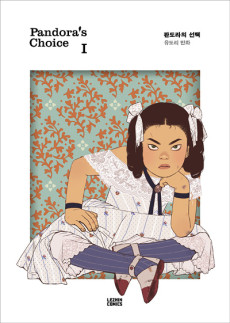
I recently finished this South Korean manhwa, and it has stuck with me these past few days. So I'mma write about it and maybe see if anyone else will find it memorable to them as well. It's currently on both Lezhin and Manta, though it leaves Manta this July 22nd. It's only 35 chapters!
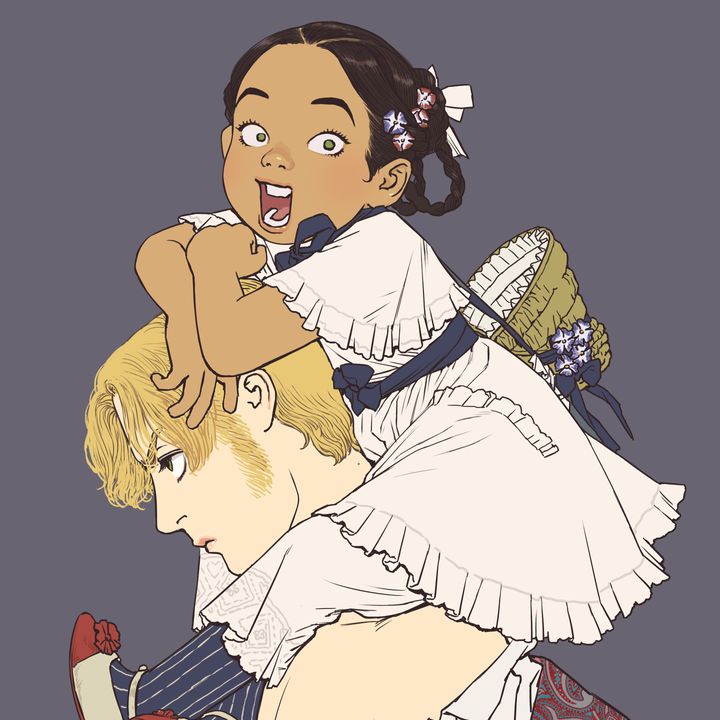
First off, no one ends up happy, I don't think. Some things are left up to interpretation, and a side character probably ends up happy but may follow the same route as his father. I usually gravitate away from those sad and open ended stories, but I liked this one to some degree. Why? Well I got sucked into the artwork, the historical accuracy, and some things it had to say about being assigned gender roles.
The artwork is certain unique in the world of manhwa (from the little I read, to be honest... so maybe I missed some but to me it is different), but at the same time it feels like a typical Victorian era style of art. Very fitting and immersive since the story takes place in the early Victorian era.

Speaking of Victorian Era, it takes place in America, with a sprinkling of traveling to France. Besides the main story of the half Asian child with a widower drunk father, readers can learn a few things from back then. Not sure everything in the story was entirely accurate, but there are a few chapters with author's notes that are interesting. I learned something about, while more sexually repressed as a whole, men were at the same time more open about their male friendships and physical affection. She, the author, admitted some of her friends thought two of the male leads were gay for each other, but that wasn't her original intention (but she found she wasn't against it either XD). But men in the Victorian era could be found linking elbows and hugging and such, just out of friendship. That it is a more modern sensibility to be closed off. That's just one historical aspect that popped up.
And finally being a woman in that time. Especially a non white girl from a broken family. What is "Pandora's Choice"? I guess it's how can she move forward and be happy with limited resources and avenues. Again, not a very happy story, and I think part of why I like it is because it does show a very bleak Victorian setting, when mostly we, or I, have a very romanticized view of it nowadays. I wouldn't say it was eye opening, but maybe appreciated, even if a downer.
I think my favorite character was the doctor guy, as he seemed the only one impressed, and in a positive way, with Pandora's smarts.