SPOILERS for Neon Genesis Evangelion below!
Evangelion starts off as a straightforward apocalyptic mecha story that, in its later parts, transforms into a deep character study that explores psychological and philosophical themes pertaining to the characters of the show. More specifically, Evangelion is a story about human connection, showing the importance of forming meaningful connections with others while also showcasing how things like our own doubts and past trauma can get in the way of forming these connections. This is shown through the main characters, who all deal with some kind of oppressive trauma in their life that cripples them socially, creating an interesting and relatable narrative around loneliness that has the potential to really resonate with its viewers.
 Production
Before I talk more about the plot, I want to touch on the production. For a 90’s anime
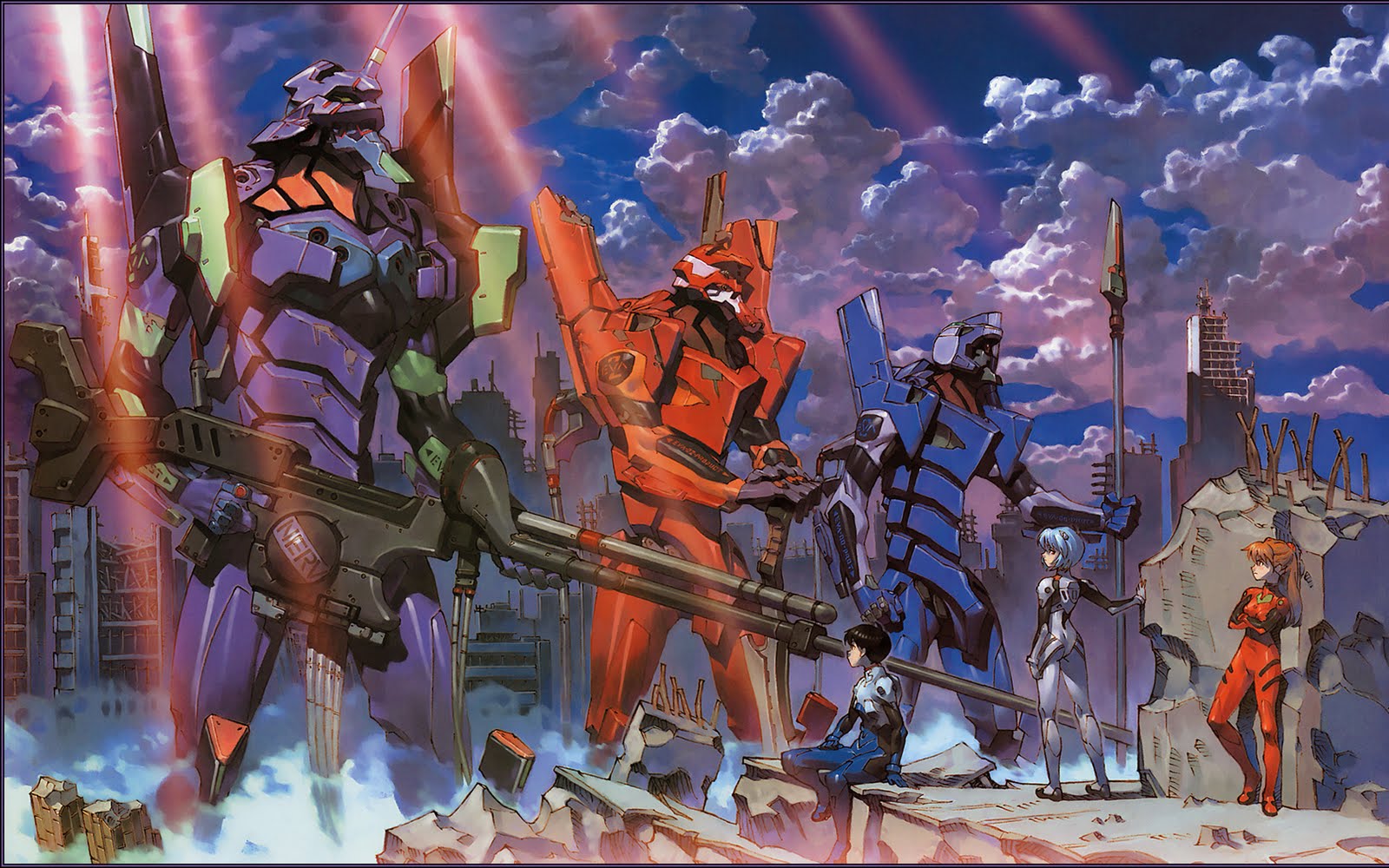
Evangelion holds up fairly well in comparison to more recent productions, having some flashy action scenes here and there that are very fluid and detailed especially for the time period. Another strong point for the art here is the character design, which is just fantastic all around and one of my favorite aspects of the show. A good example of this is a character like Asuka, whose bold hair and suit color match her personality perfectly. This strong design extends out to the Evas as well, with each Eva getting an incredibly memorable design that is instantly recognizable.
Evangelion also shows off a cohesive creative vision that combines religious imagery with sci-fi seamlessly. The religious imagery is not only symbolic, but also lends itself to the apocalyptic feel of the show wonderfully at points, contrasting perfectly with the more visceral and gory action scenes, and creating a unique combination of religion and sci-fi that makes the art style more striking.

The soundtrack is outstanding as well, with an incredibly iconic opening and ending track, as well as some of the most well known songs in anime history. The soundtrack is highly dynamic, with a wide range of pieces that set the mood perfectly throughout the show. Tracks like “Jikai Yokoku” create a more high energy upbeat feel that goes perfect with the more relaxed sitcom-like moments, while the dramatic and somber string sections on a track like “Thanatos” create a more serious atmosphere that immediately pulls the viewer in.
This all being said,
Evangelions’ production is not without its flaws. It's pretty clear that Gainax had trouble time and budget wise during the making of Evangelion, made obvious through some oddly long still frames and more abstract scenes that really didn’t add anything of significance to the narrative. This is even more apparent once you get to the final 2 episodes, where there is lots of reused animation and long sequences of nothing but dialogue. The ending episodes being like this is largely due to the creators having to scrap the original ending in favor of something that could actually be completed on time, but this is at least partially rectified in the
End of Evangelion movie.
 Plot & Characters
The overarching plot of
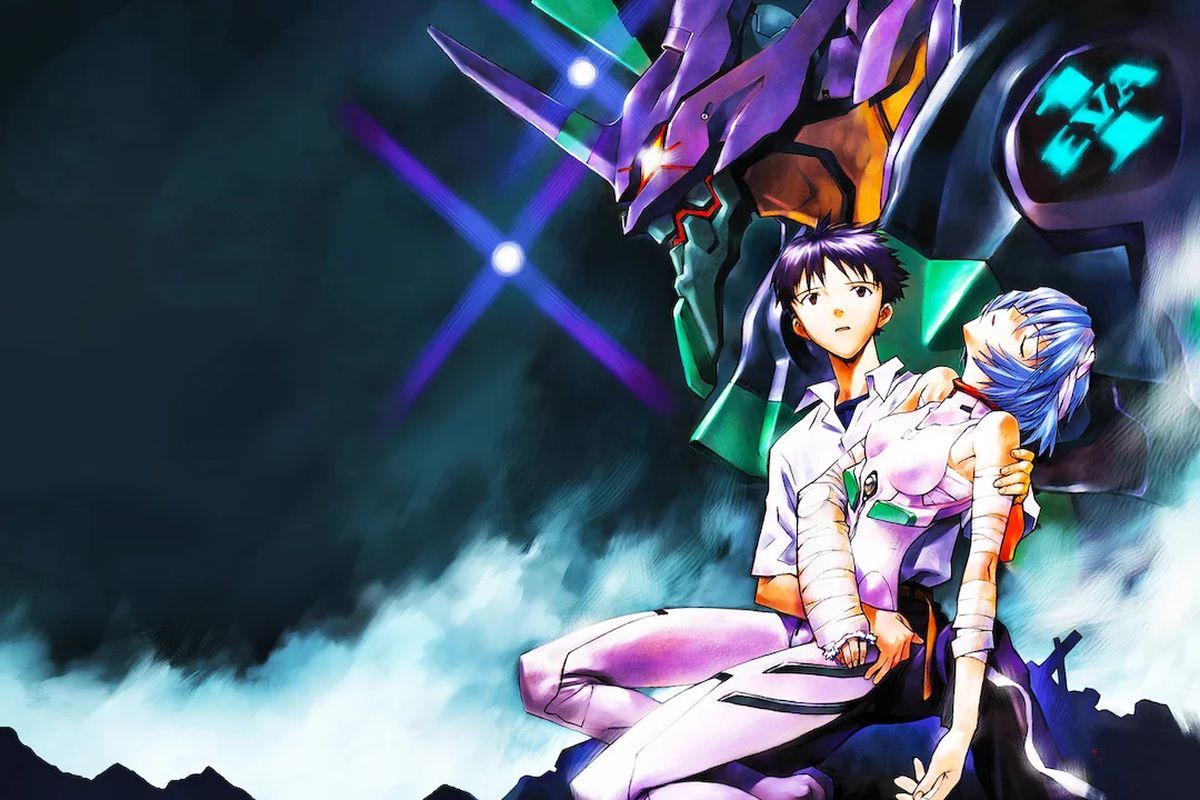
Evangelion is fairly simple, but is given depth through its characters, and I think this is another real strong point of the show. As the plot moves along we see the main cast deal with not only the looming threat of the angels, but also with their own personal problems and emotional scars. These personal issues are often brought to the forefront of the plot, and the way they are handled and displayed in all of the characters is where some of the most brilliant scenes stem from.
A great example of this and my personal favorite scene in the show comes about through Asuka. Asuka, similar to Shinj, struggles with wanting to feel validated. Having been abandoned by her mother at a young age, Asuka develops an individualistic mindset, becoming an incredibly prideful and arrogant person who stakes her entire being on her ability as an Eva pilot. Asuka believes strongly in her own ability, and as a result hates having to depend on others, avoiding it whenever possible.

This all changes when Shinji begins to surpass Asuka as an Eva pilot, her seemingly unshakable confidence begins to crumble with the revelation that she is no longer the best at what she prided herself on. Asuka begins to lose herself, memories of her painful past begin to well up inside of her, and she breaks. This culminates in an extremely poignant mental breakdown scene that does a great job at providing a deeper analysis of Asuka as a character, showcasing her fears and struggles through some very vivid imagery.
This is something that happens with the other characters as well, we are treated to multiple breakdown scenes from different characters that give a deeper and more introspective look into their mental state. The way in which this is all executed is nothing short of fantastic, and the ending of the series wraps up the theme of human connection nicely.

The final 2 episodes are quite different from the rest of the series, becoming extremely dialogue heavy and going over Shinji's own thoughts and feelings in great detail as the third impact happens. Shinji, after much deliberation, comes to the conclusion that having connections with others is valuable, and an essential part of what makes us human. The ending, in contrast to the rest of the series, is very positive and hopeful. It pushes the message that it's ok to put yourself out there and create bonds, even if you risk getting hurt. It’s all part of the human experience.
I now want to discuss a problem I have with
Evangelion, which is the way in which some of the information is presented. The plot in general is very dense, and because of this important details and plot points are kind of rushed past or barely explained at all. This makes for a confusing first watch, as for all the questions that get raised over the course of the show, not a lot of them get answered very thoroughly.
It’s not as if the plot is nonsensical in any way, it's just that not enough time is spent explaining select things. Examples I can think of are things like Adam and Lilith, who are mentioned very frequently but never talked about in greater detail, or something like what the dead sea scrolls are and why SEELE is obsessed with them. The complexity of the plot in this case could be thought of as a pro for the show, but the lack of clarity in explaining concepts like this could turn off new viewers from actually finishing the show, the writing is just not as tight as it should be.
 Conclusion
PROS:
- Great main cast, dynamic characters
- Unique art style and incredible character design
- Very deep exploration of many themes
CONS:
- Some weird production quirks/issues
- Some core plot elements go unexplained/don't have enough time spent on them
Overall, Evangelion is a highly entertaining and thought evoking anime with a fleshed out main cast and great production to back it up. Although it does fall short in explaining some of the core plot elements, its impact on the anime industry at large is undeniable. It explores a myriad of themes relating to the human experience in a way that is incredibly effective, and it is because of this that I believe
Evangelions impact will continue to be felt for years to come.