— — — —— — —
×
— —— —
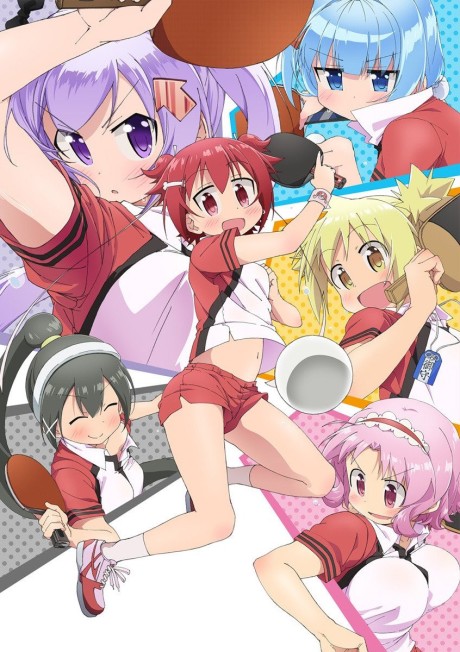
What the heck? How is this so good?
Despite multiple recommendations, I honestly didn't expect much from this show going in. But Scorching Ping Pong Girls is an absolute blast. The characters are fun and lively without staying too locked into their archetypes. The direction is sharp, well-paced, and well-boarded. The writing is likewise well-paced, both on an individual episode level and over the course of the entire series. Kinema Citrus always delivers the goods when it comes to animation quality, and this is no different; the ping pong matches are visceral and exciting. Meanwhile, the writing makes sure the matches never get too bogged down by the exposition explaining different moves and play techniques, but still manages to make clear what's happening.
Of course, the heart of the series is the relationship between the two leads, Koyomi and Agari, and if their personalities didn't mesh well the series would be a lifeless dud, exciting ping pong matches or no. But the intensity of the feelings they have for each other—first through the most absurdly erotic and barely subtextual sporting match I've ever seen in any medium, and then through getting to know each other personally as well—gives the series an electricity that makes every moment engaging and makes you want to keep watching. The same is true of the supporting characters, as well; they're all just as fun and well-developed as our main duo. And in the grand tradition of "loftier" sports series like Chihayafuru, we also get background and flashbacks on the protagonists' opponents, making them more interesting and sympathetic than just generic sneering villains for our heroes to beat.
When you look at the show's pedigree the surprising quality starts to make sense. Kinema Citrus, of course, is the studio that would go on to make Revue Starlight and Made in Abyss, and series composition for this show was done by the guy who would also go on to do series comp for Made in Abyss, and wrote the original R.O.D. novels, to boot. Meanwhile the director made Fullmetal Alchemist Brotherhood, a show I've yet to see but which I hear some people like.
The only really frustrating thing about the show is that it's only 12 episodes. It doesn't try to rush and cram more story into its limited run—it lets the story unfold at a slow and natural pace (again, similar to Chihayafuru)—but it also stops just as it's getting going. Of course, one could always continue the story by reading the original manga ... if it were published in English. Which it's not. Oops. Granted, the show ends on a good stopping point for the characters and their journeys, but plot-wise it's pretty frustrating.
Scorching Ping Pong Girls, at first glance, might seem like just another lightweight, fan-service-heavy sports series, to be watched when one doesn't want to think much, and then immediately forgotten. And I'm not trying to argue that it's a masterpiece. But it is extremely good, and even though the truncated run is a little frustrating, it's still well worth your time to see.
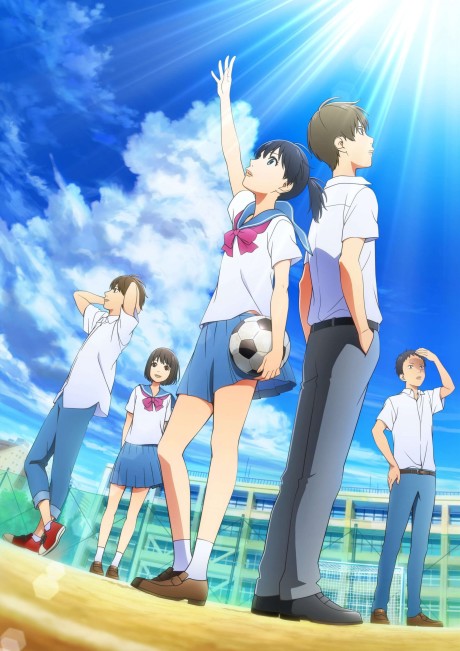
Fantastic film.
Narratively it's not particularly innovative or anything, but the strength of this series isn't narrative innovation, it's in how the feelings of the characters are expressed. Nozomi's passion and frustration are very real and visceral, and wonderfully expressed thanks both to the excellent direction (there's a scene with two characters crying on a rain-drenched soccer pitch that's fantastic) and, of course, Miyuri Shimabukuro's fantastic performance as Nozomi, which manages to be brash and subtle at the same time.
Apart from a couple comments from her teammates, and a very funny scene at the end of the film, the film doesn't try to shoehorn in any romance, which is smart. Like Nozomi herself, the focus should be soccer (though Sawa is completely in love with Nozomi don't @ me).
The TV series that serves as a sequel to this film looks like absolute ass; just as the women in the series are struggling for resources and recognition, so, ironically, is the TV production. This film, on the other hand, IS a step up from the TV series in terms of its production value; unfortunately, that just places it on the level of a slightly above-average TV production, rather than what you might hope to see from a feature film. This isn’t exactly Kyoto Animation.
That said, it's a pleasure to watch; there are some lovely lighting and shadow effects, and the animation is mostly smooth and natural. The fact that director Seiki Takuno can make the TV series as visually compelling as it is even with what little resources they seem to have speaks to their skills as a director, and so seeing them work with some ACTUAL resources here is a treat. The big sweeping CG shots are pretty great also, even if you sometimes catch a glimpse of someone's face and it's horrifying early-era LOVE LIVE deadness. But it gives a scope and an energy to the matches that is unfortunately lacking in the TV series. The matches there are well-directed, but they’re often kneecapped by an overabundance of single frame shots and jerky close-ups. Here, Takuno can stretch their directing chops a little, and the soccer matches really sing.
Anyway, obviously I really liked this film. It's a prequel, so even if you're not watching/have no interest in the TV series, I heartily recommend it. And if you were turned off by the TV show's poor production values, then here's a good chance to get a taste of the excellent writing, acting, and direction with some actually good animation (if you were turned off by the ugly art style and the fish lips, well, shikataganai).
(there's also a fun post-credits scene with cameos from the TV series; though, if you've been watching the TV series that scene was already spoiled. Thanks, COVID.)

A lovely slice-of-life show about life in a sleepy little town in the countryside. 5th grader Hotarun's parents have moved from Tokyo to a town so small, there's only one school, and five students (of varying ages) in the school's single class. If you're the type to long for a quieter existence than what the city has to offer, this charming series should be right up your alley (if that sounds absolutely awful to you, you might want to pass). There's no drama about Hotarun being too big for her britches or having trouble fitting in; she happily adapts to life in the countryside and the other characters happily accept her. Hotarun serves as an audience surrogate experiencing the slow, laid-back country lifestyle for the first time, but while she's continually surprised by how things are done in her new home, she's never scornful or superior about it.
None of the characters, Hotarun included, are particularly deep or complex, but they're likeable and engaging enough to keep you invested in their antics. It's generally a gentle show, but it does occasionally get genuinely emotional. It's not the type of show where the characters grow or change, and that makes it a little frustrating for me, especially after being introduced to this so-called "healing" anime subgenre by the extremely well-written and structured Laid-Back Camp, which features characters who do grow and change as the series progresses. Shows where characters remain static have their charm, I suppose, but I much prefer shows where the characters display growth and development, both in themselves and in the relationships with the people around them. Stuff like this, Lucky Star, or Yuru Yuri, to name a few, will never allow their characters to grow or change; the characters are the same people in episode 12 as they were in episode 1, which honestly can be a little boring.
Technically speaking, the show is solid. The backgrounds are stunningly gorgeous, and the score is wonderfully emotional and evocative. The animation is simple but effective, and the character designs are varied and charming. Visually there's not much to complain about.
If you want something gentle and soothing, you could do a lot worse than Non Non Biyori. The characters will never change, but in a way they reflect the setting of the town they live in. That can be reassuring, or the plot to a horror film, depending on your perspective.
