— — — —— — —
×
— —— —

Revue Starlight The Movie – It’s time to aim for your next stage
“All the world’s a stage,
And all the men and women merely players;
They have their exits and their entrances;
And one man in his time plays many parts.”
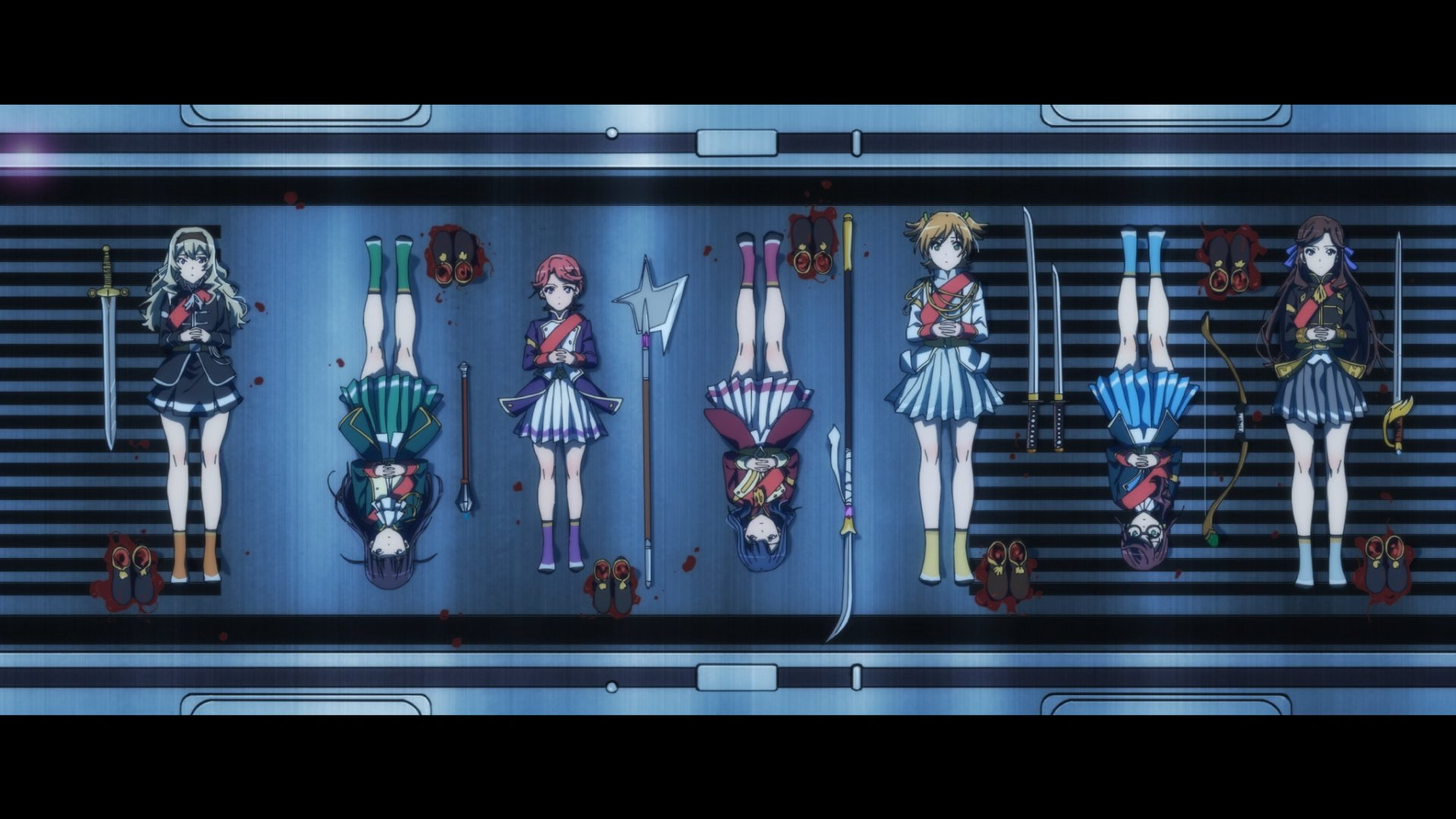
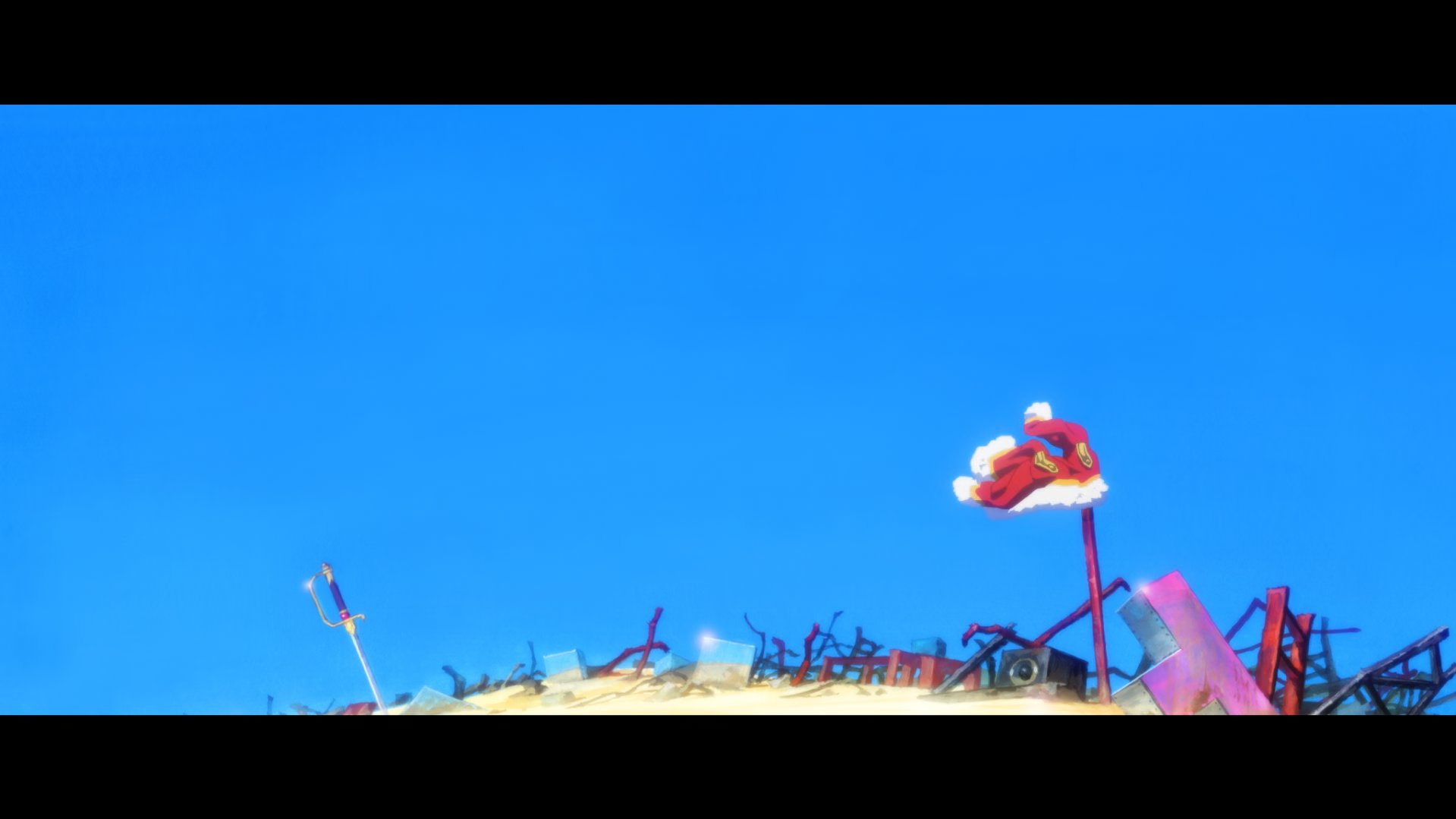
A movie that at first hand has no reason to exist, but, at the end of Rondo Rondo Rondo, thanks to Nana we get to see everyone as corpses on the floor, showcasing how the audience moves on from the cast when the show is over, leaving them as action figures, nothing but toys to entertain the audience. This audience yearns for more of these toys, for one final performance, leading to this film's existence.
But this time around, being the Top Star doesn’t matter anymore.
It’s time to move on from the past and take our first steps into adulthood
The stage that once brought everyone together no longer exists. The spotlight that gave them purpose is gone. Graduation is soon approaching, Starlight is over now, everyone has to go their own way, yet most arent ready to do so. That is the wound this movie opens up.
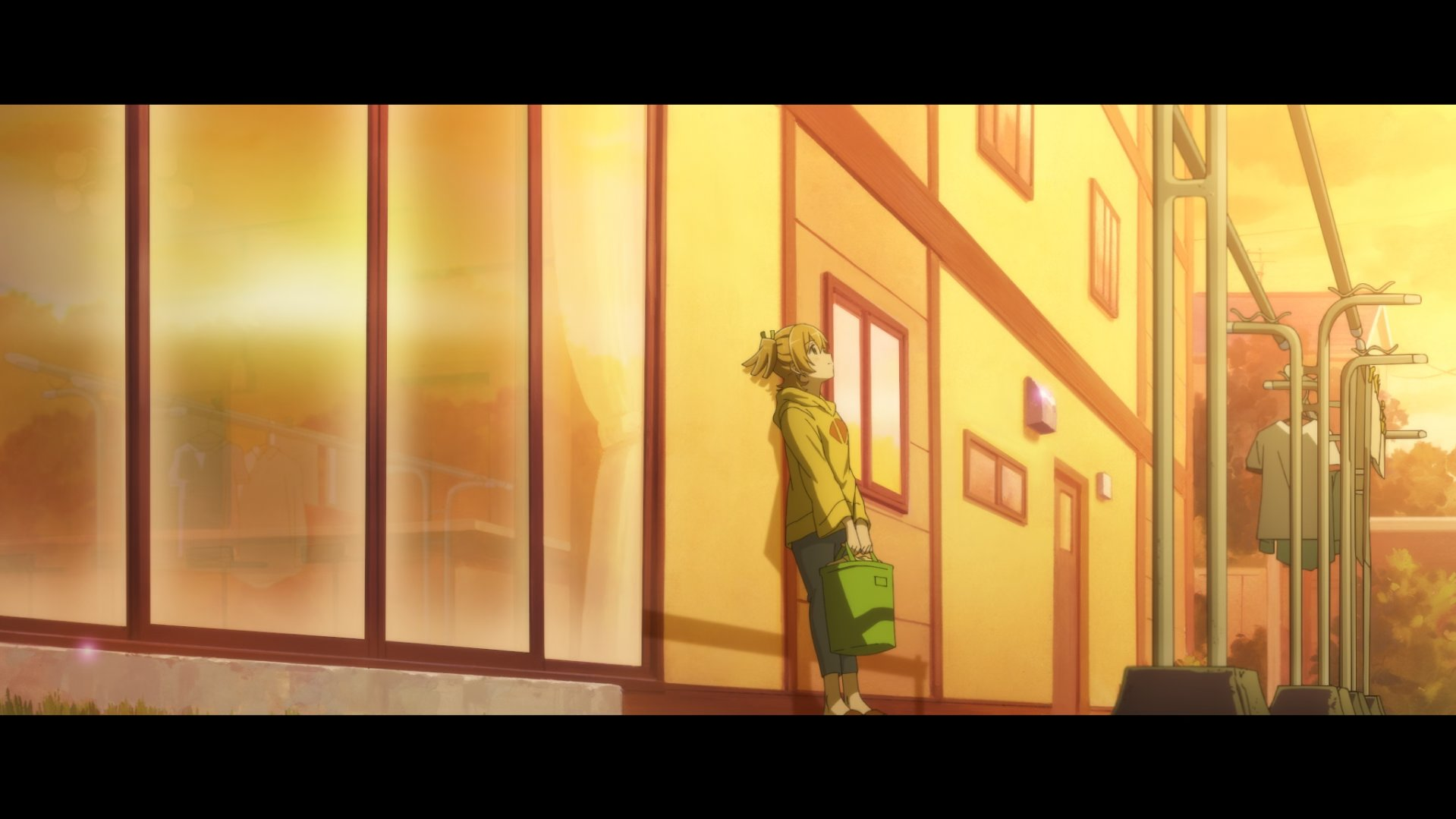
After being what some could call a "plain" protagonist in the main series, we finally get to take a look at Karen’s life growing up, her values, her loneliness, her optimism and insecurities. Someone who doesn't want to be left behind, who believed in eternal curtain calls, and who tied her entire sense of self to that single shining stage. For Karen, the stage wasn’t just a performance. It was home. It was where she could always find Hikari, even when she left her side, where everyone was together.
But now that it's all over, Karen is stuck, perhaps the most out of everyone in the Seisho Academy, with graduation soon approaching, and Hikari leaving her side once again, unsure of how to step forward when everything she’s known has come to an end.
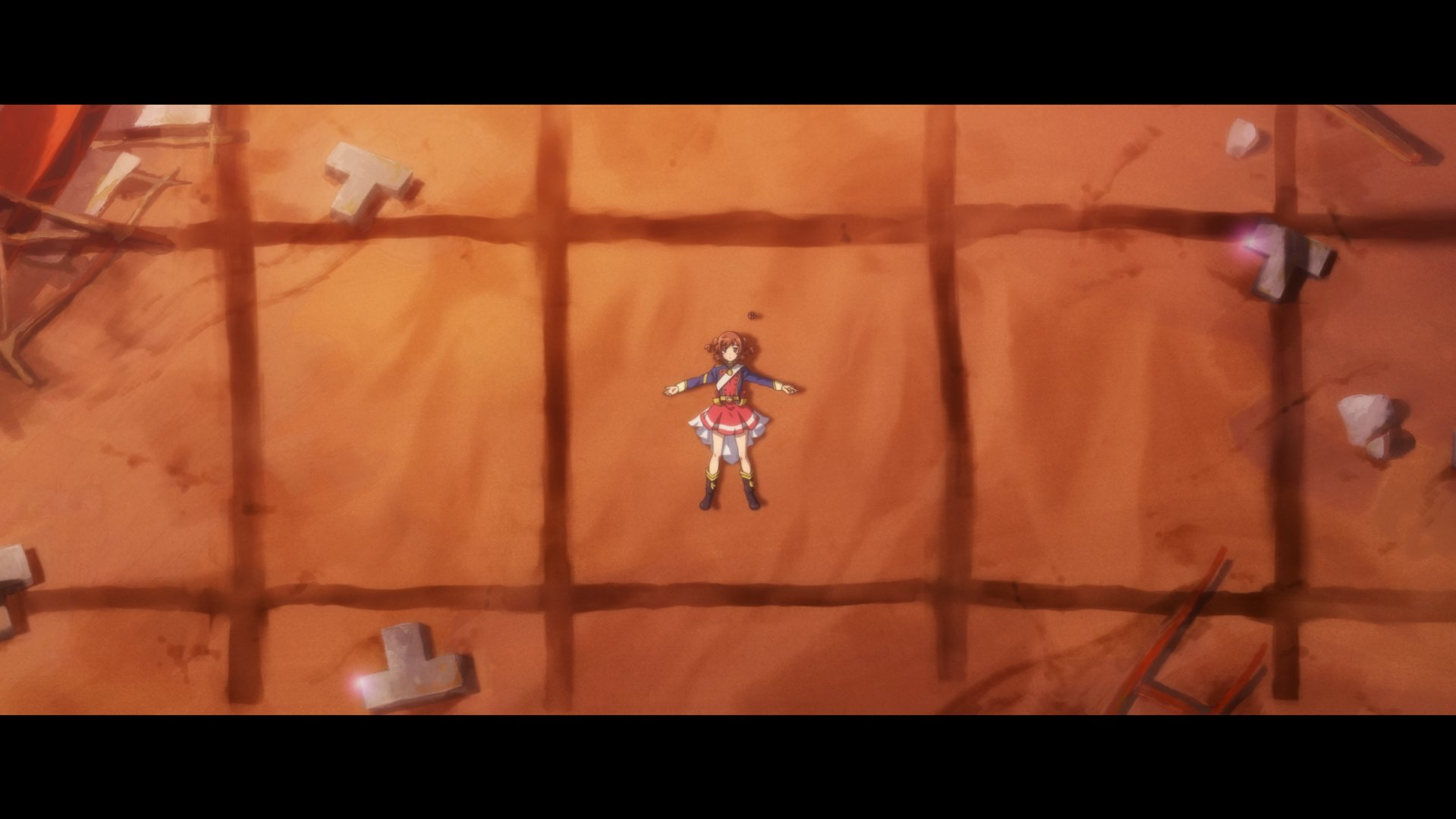
And it’s only through facing that fear, through stepping into the unknown without a script, that Karen is finally able to grow. Not as a stage girl. Not as the "protagonist" But as herself, a human being.
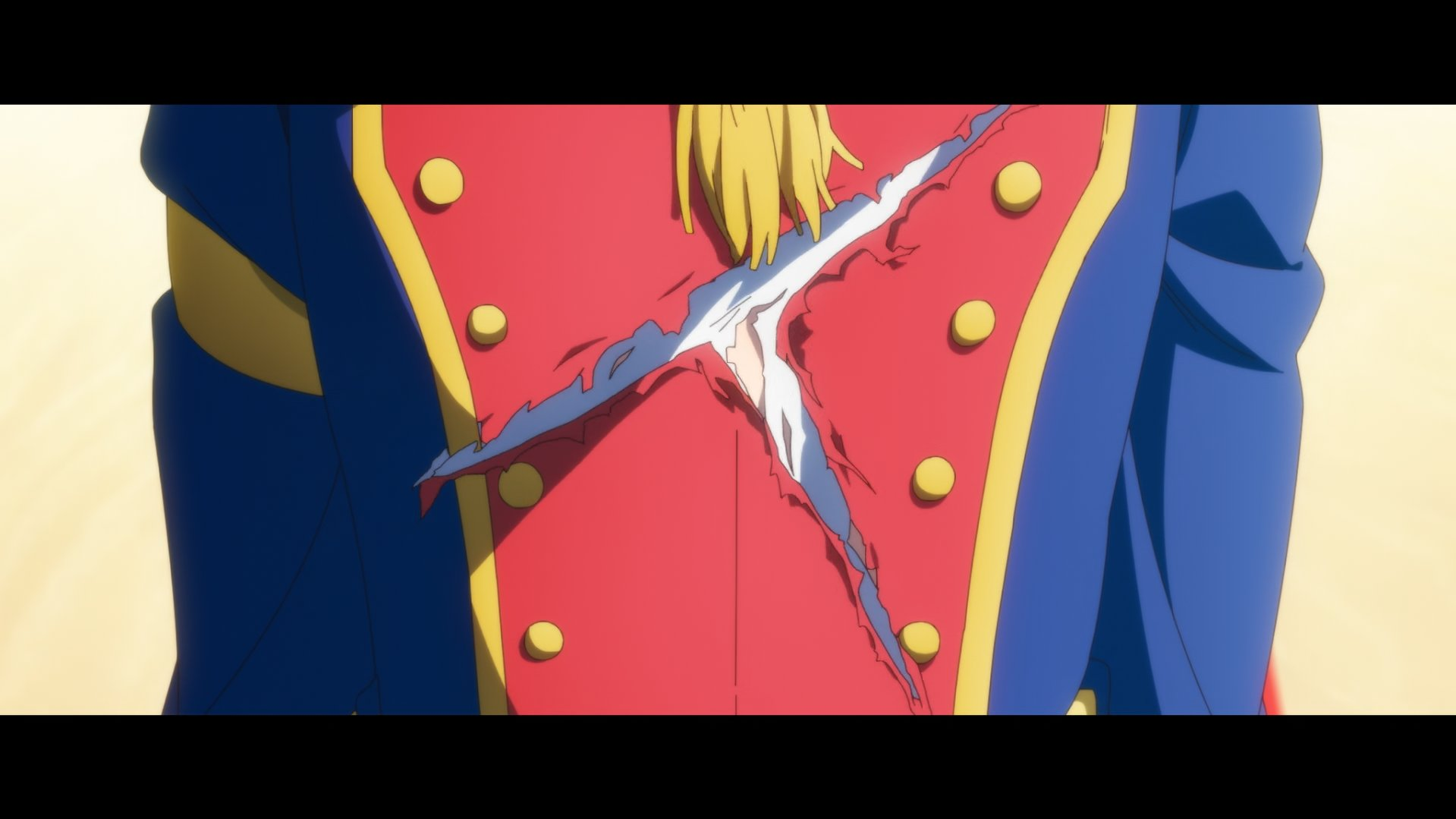
Nana, being the one that couldn't let go of the past the most out of everyone, has a different role this time around. She's no longer the girl looping time in hopes of preserving a perfect moment. She’s someone who’s already walked through the pain of letting go.
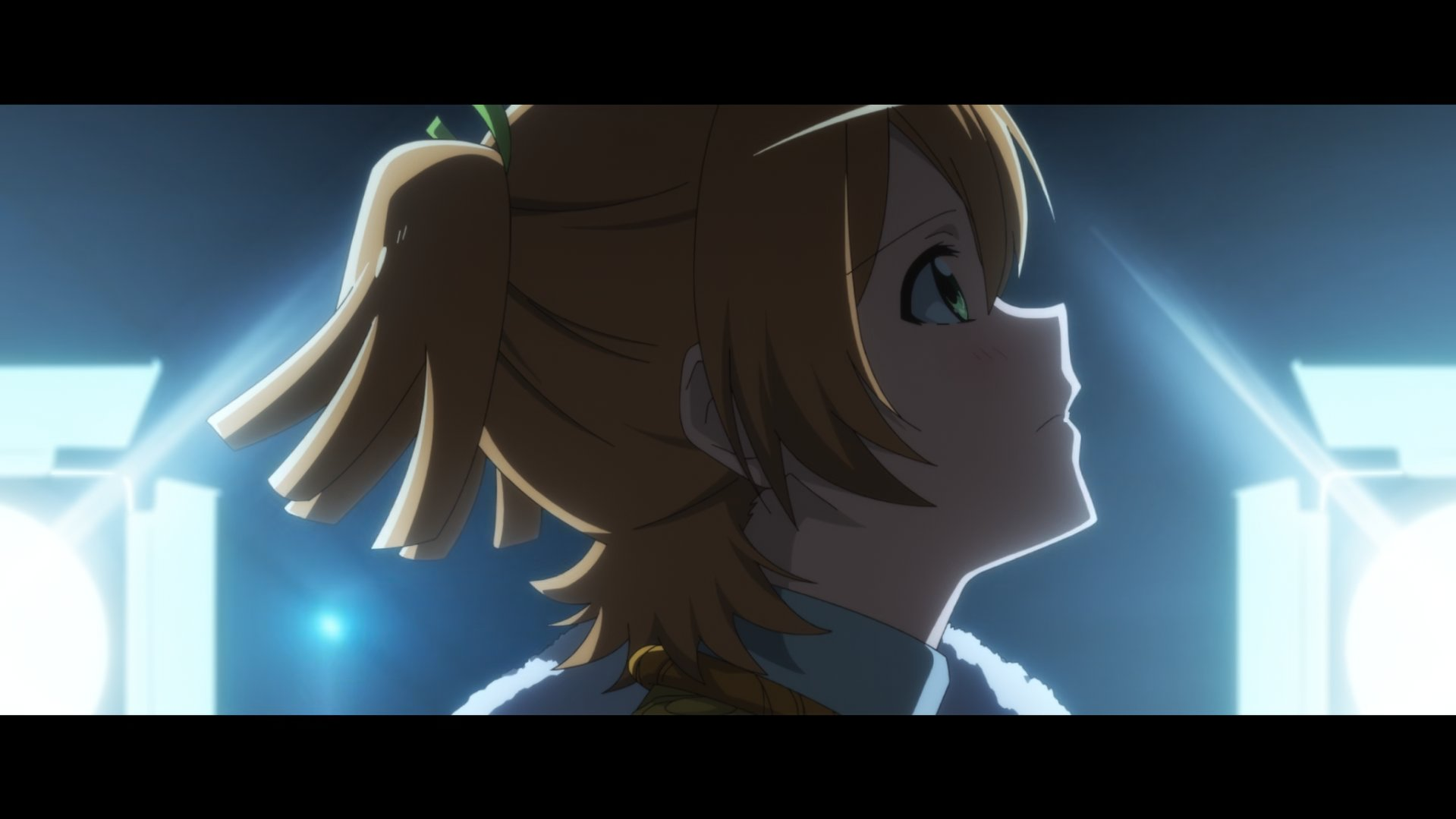
And because of that, she becomes the quiet backbone of the entire movie, the one who supports everyone else in doing the same.
“The train will go to the next station without fail. What about the Stage? What about us?”
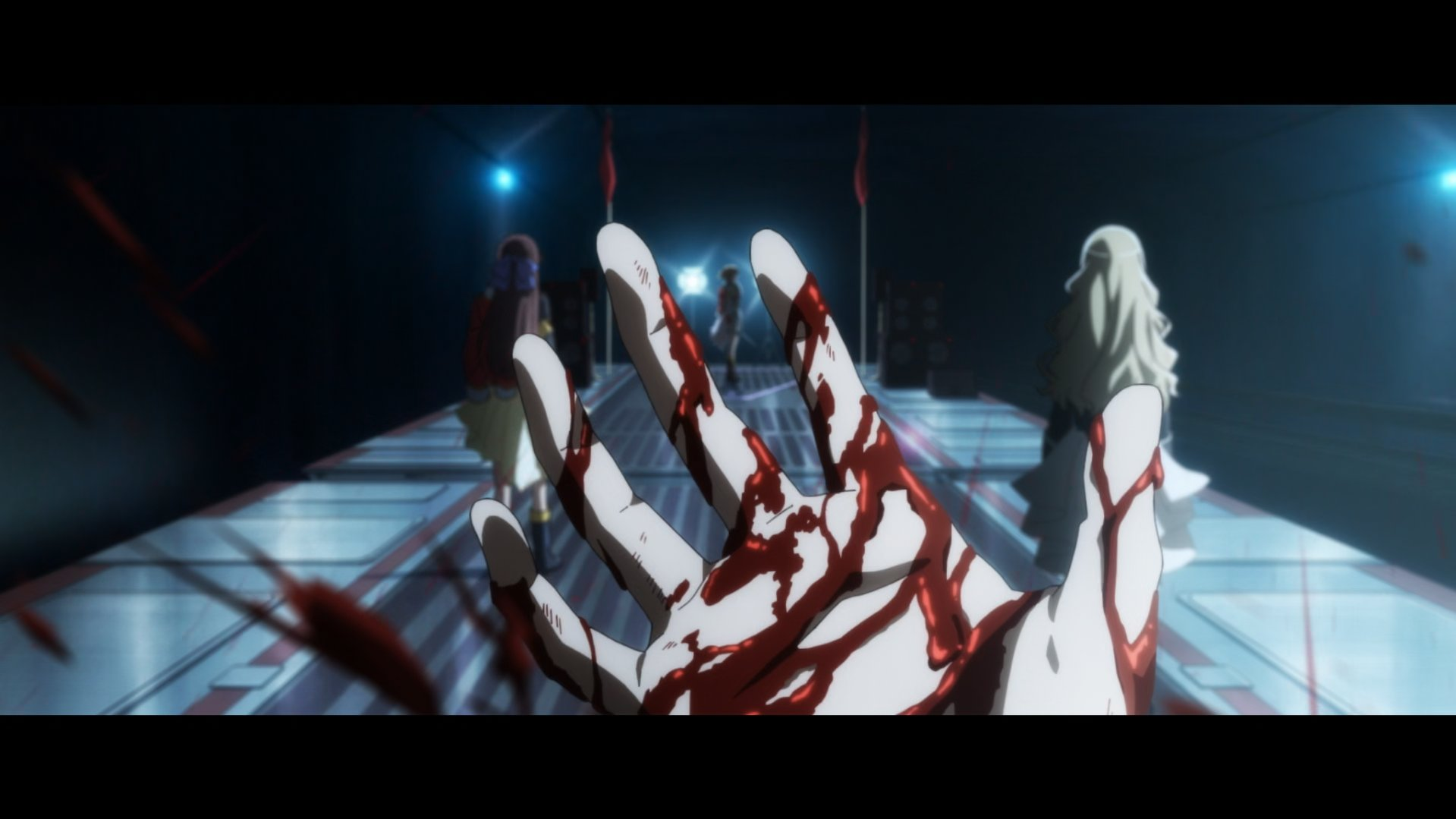
She doesn’t steal the spotlight. She doesn’t need to. Instead, she passes it to others, gently guiding them through a transition she knows all too well. It’s a kind of love that doesn’t ask to be seen, only to be understood. Trying to help everyone else move forward.
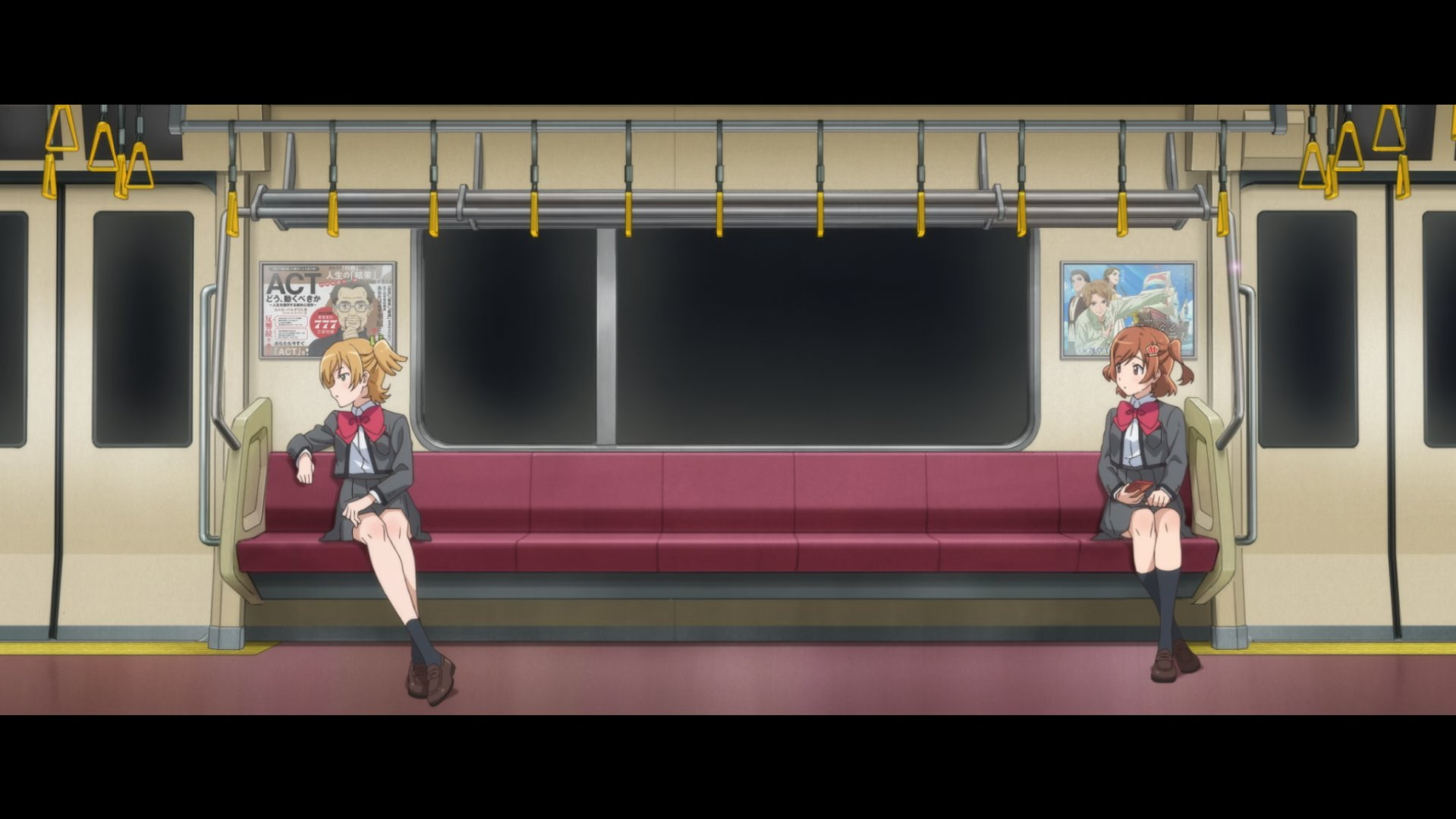
Let's talk a bit about the other characters now
Starting with the Revue of Malice, even though Kaoruko leads the dialogue and action, Futaba holds the true emotional control, protecting Kaoruko out of love, not ambition. When Futaba gives Kaoruko her motorcycle, it’s a plea for her to take care of herself. The stage and music blend traditional and modern elements, reflecting their evolving relationship and the balance of past and future.
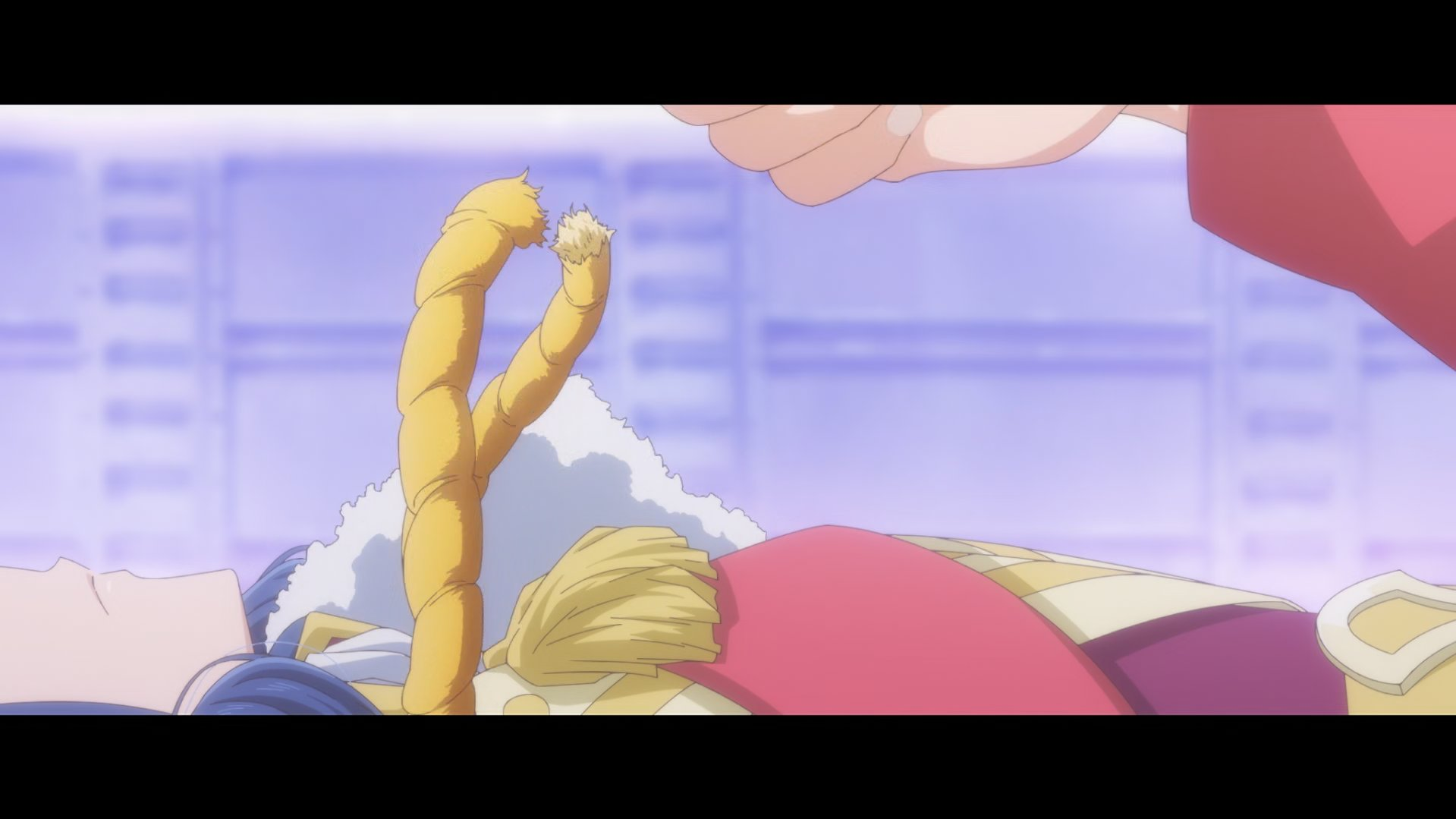
Next, the Revue of Competition between Mahiru and Hikari shows a different dynamic. Mahiru dominates the stage, reflecting her borderline mental illness to the extreme, asking Hikari to be there for Karen, while Hikari’s hesitant participation reveals her fear of confrontation, an unexpected horror sequence with dissonant music capture Mahiru’s fragile mental state perfectly, pushing Hikari to break down, to admit that she's scared, a coward that ran away.
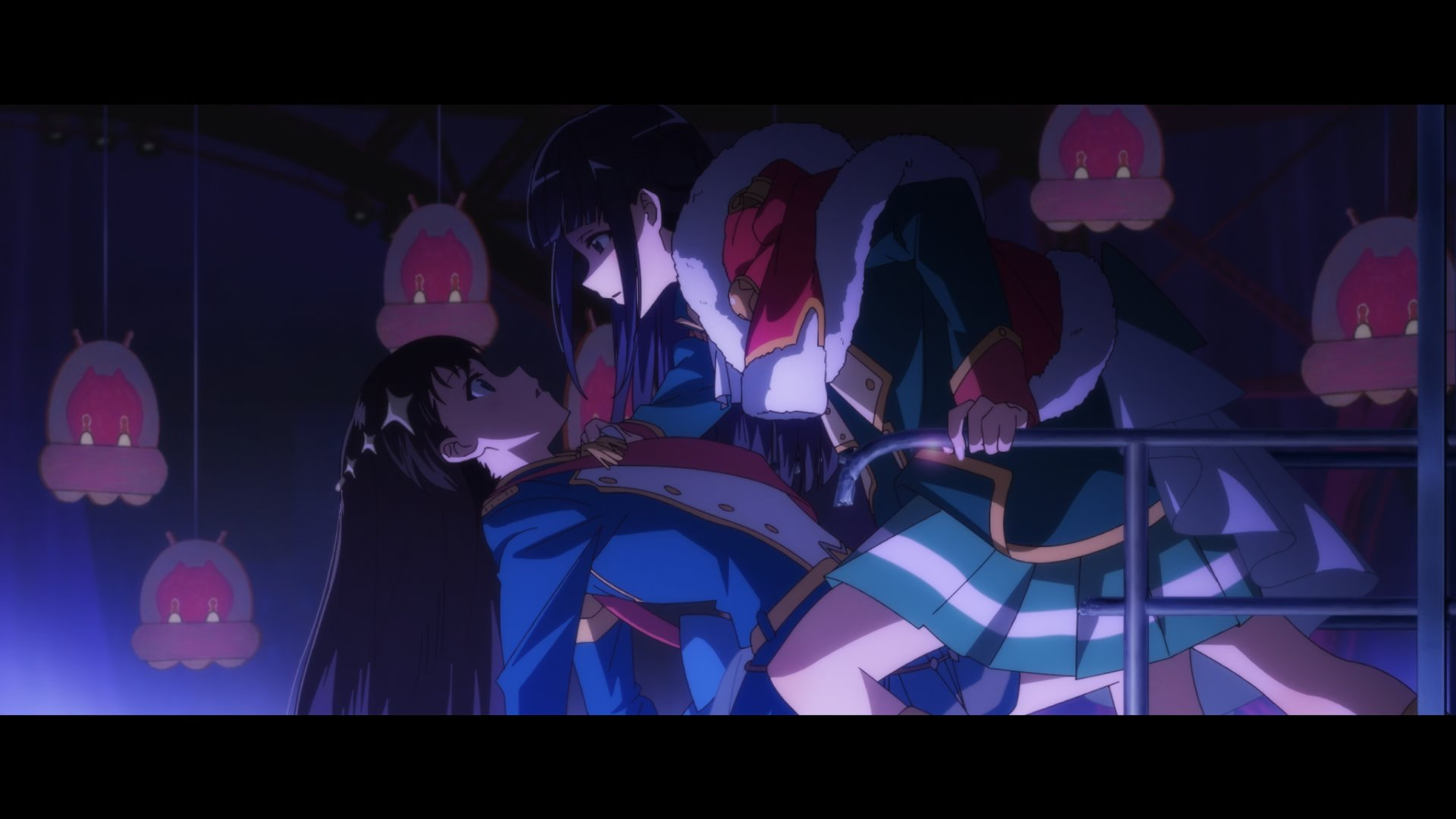
Next we have the Revue of Hunting. It perfectly embodies the complex relationship between Junna and Nana.
Junna, who has always symbolized the future full of uncertainty and struggle, and Nana, who has always represented the safety and comfort of the past, her twin swords symbolize her divided nature and desire for control, while Junna’s bow represents her distant, unreachable goals, no matter how strong her aim is, so, when Nana breaks Junna’s bow and hands her a sword, a very powerful gesture.
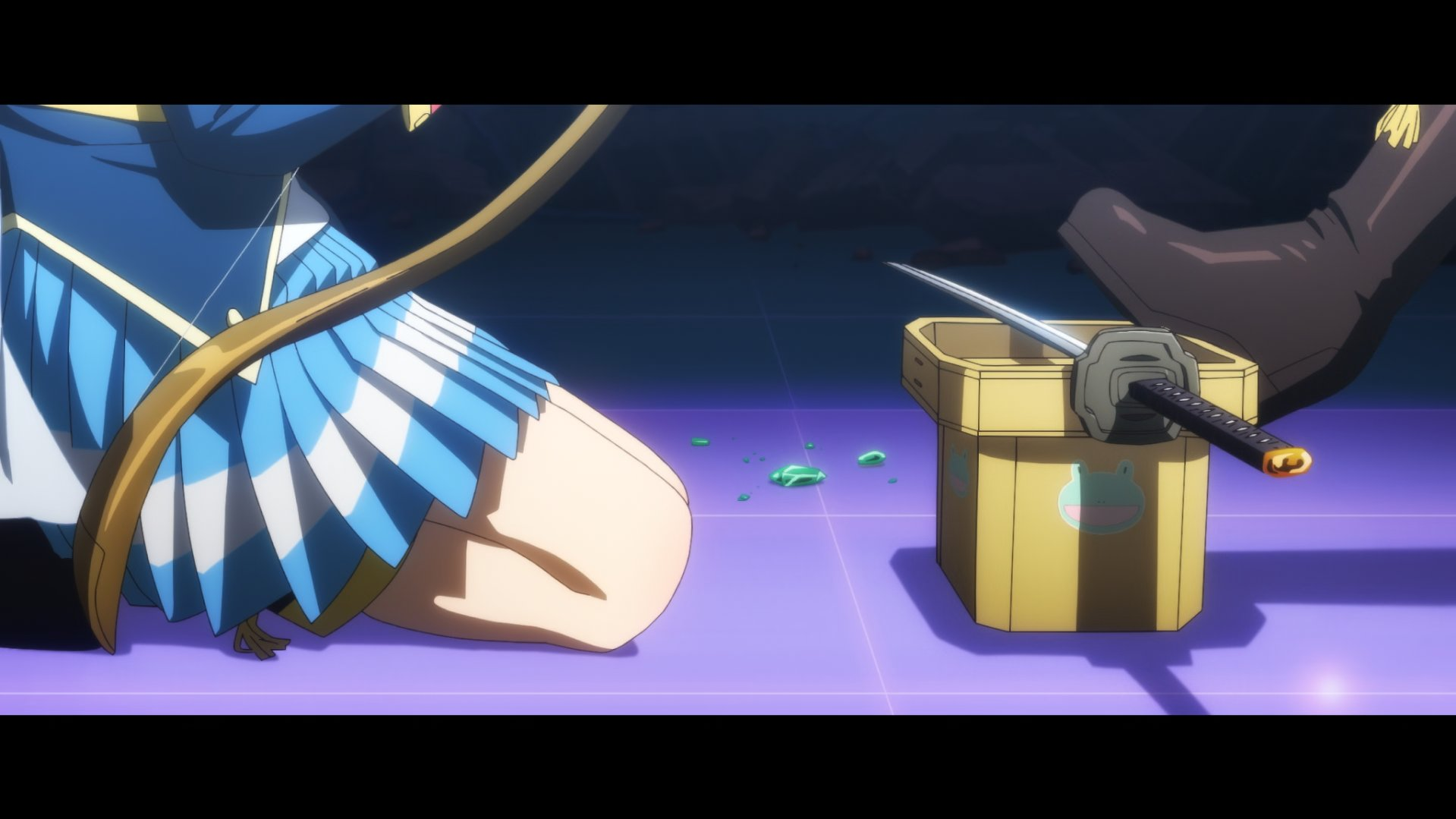
It's time to stop parroting others lines, it's time to seize her own goals, using others to strengthen herself, but without losing her own way.
“I will struggle and writhe until I devour the leading role. Student Council President from the 99th Generation, Hoshimi Junna.”
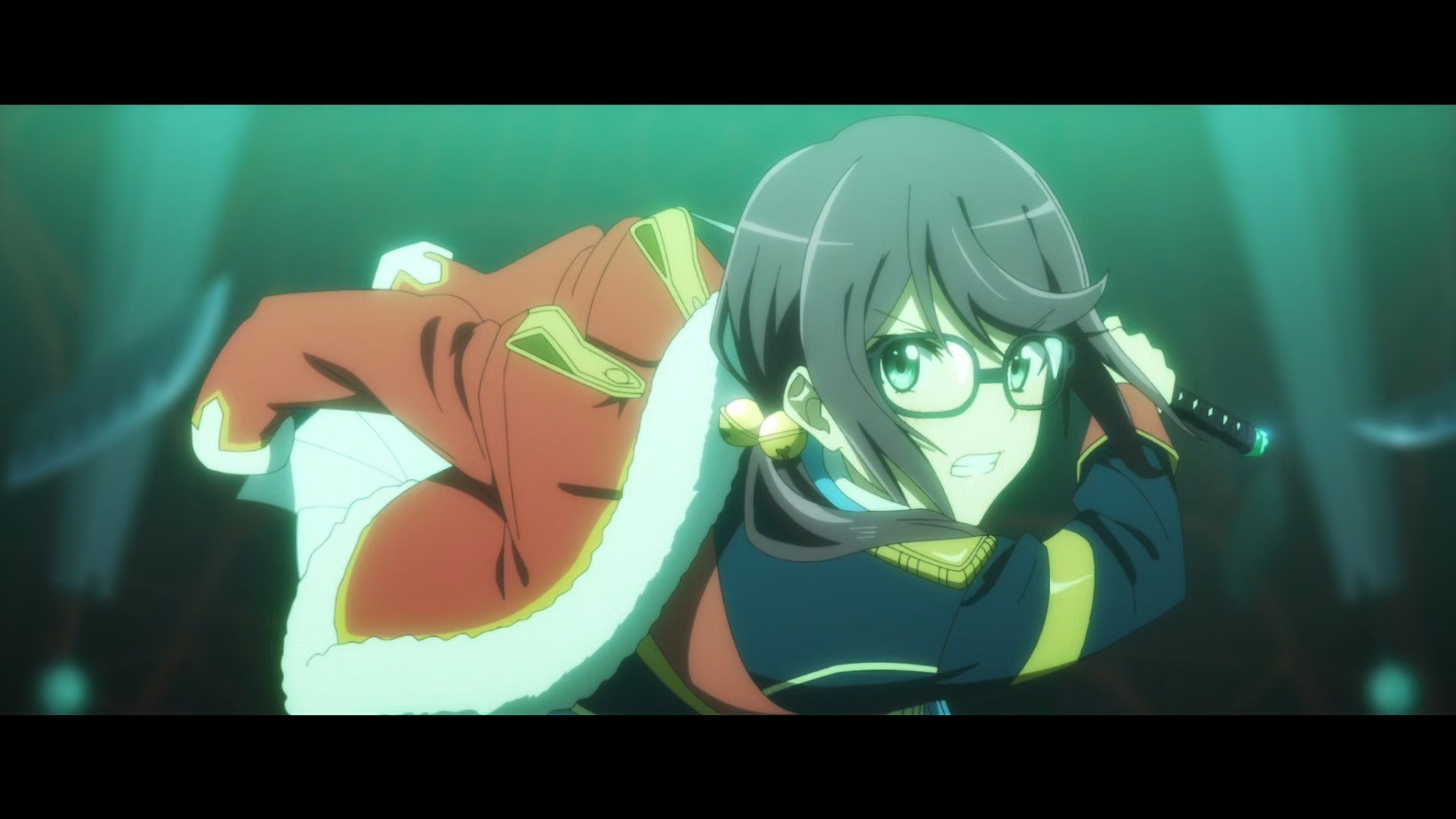
Even if their futures will not be next to eachother, their friendship remains through time, the bond tying them will not be cut no matter what.
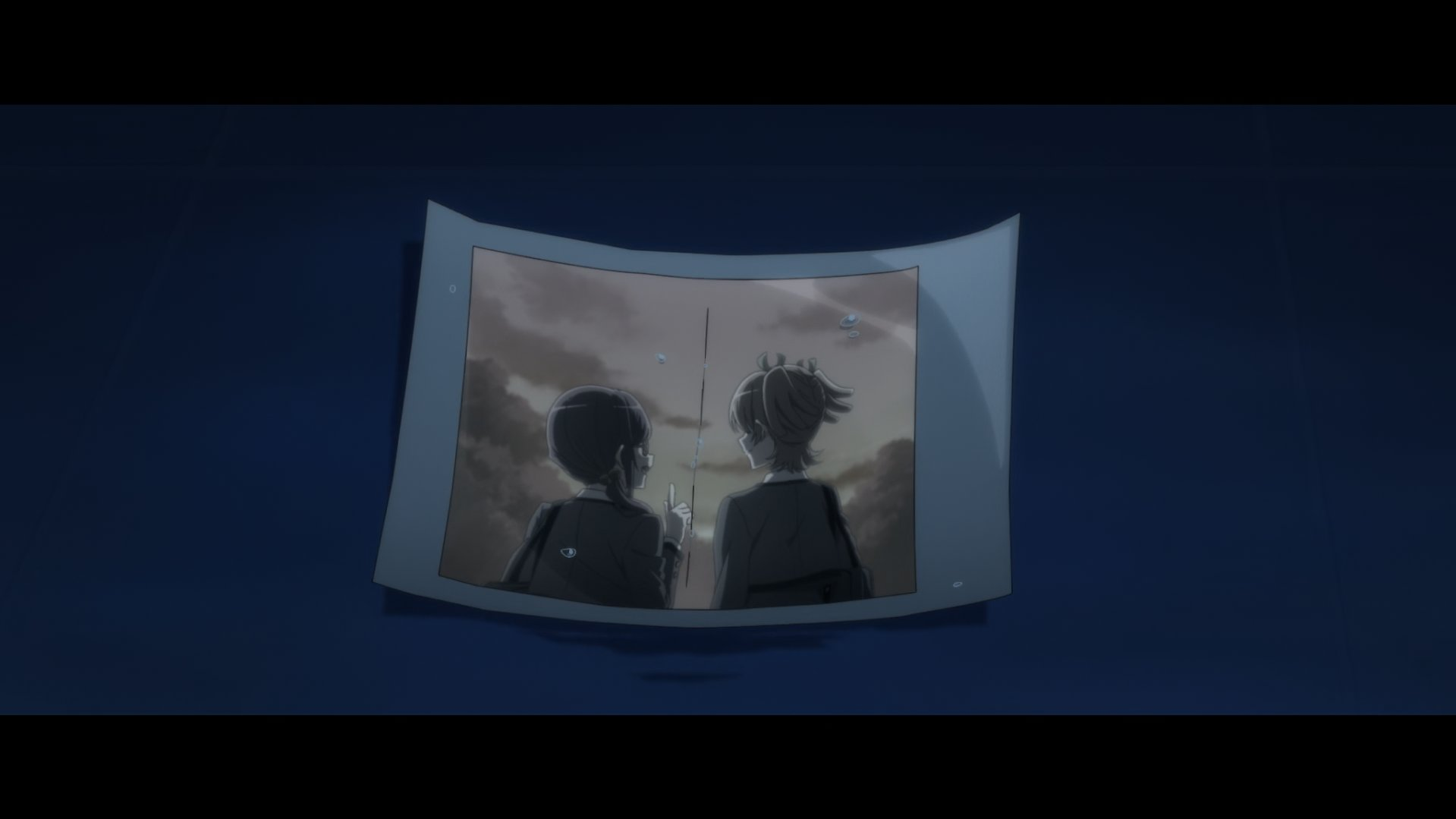
The penultimate revue, the Revue of Souls, finally brings together Claudine and Maya, diving deep into what their rivalry truly means, putting Maya and Claudine as the roles of God and Satan, role of Maya as God and Claudine as Satan, laid bare without subtlety. Unlike others, these two seem bound only to the stage, with no other option for them, Maya even declaring there is no “regular” Maya, only the stage girl. Maya must keep winning, while Claudine refuses to lose, a battle between flames that fall together, burning for all eternity.
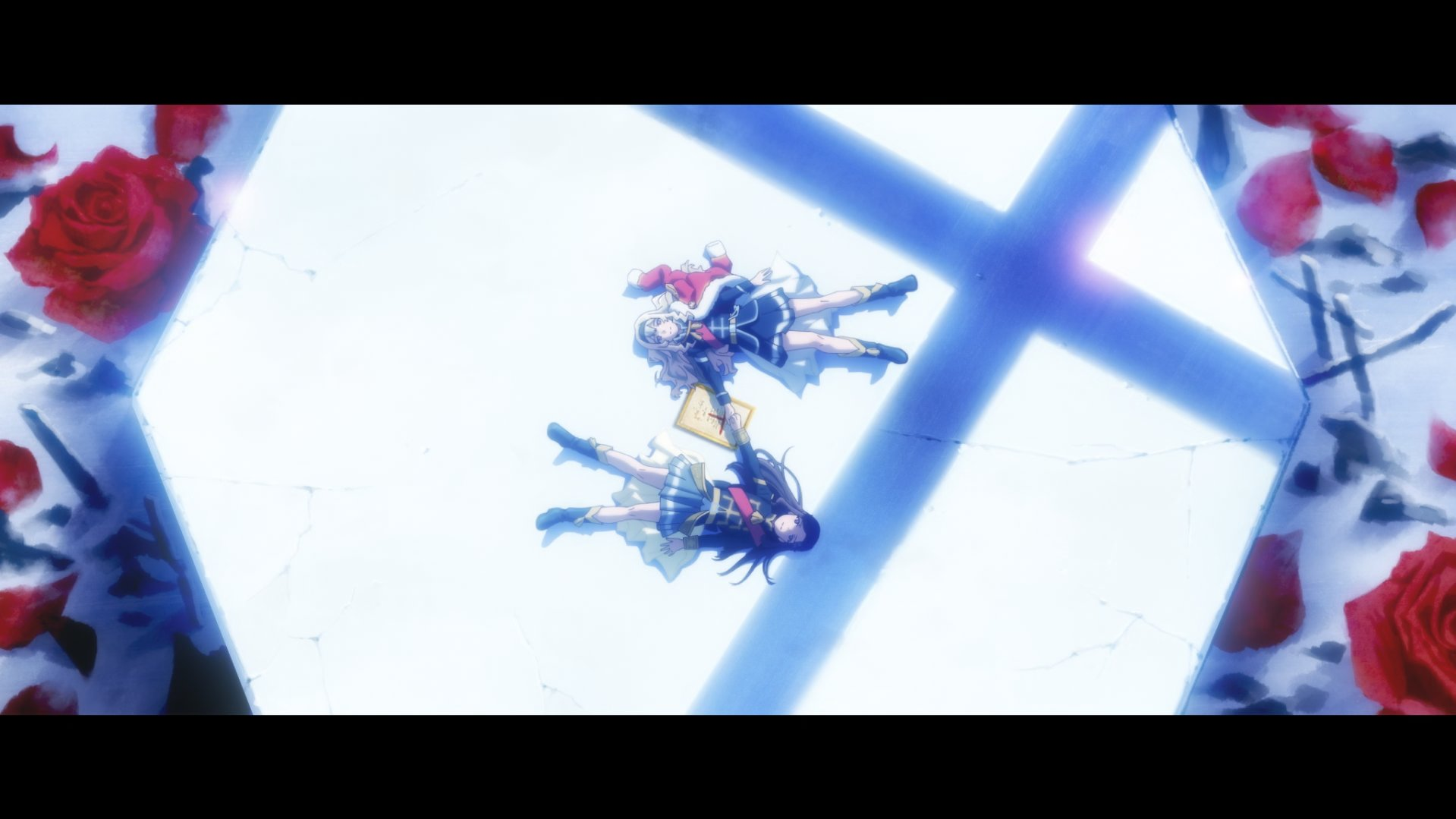
The last revue, "The Final Lines", is the ultimate confrontation between Hikari and Karen,a follow-up to the confrontation seen at the very beginning of the film, we get a fourth-wall break, and then... Karen dies, in order to be reborn.
Everything led to this moment, this act of being reborn (named Super Star Spectacle) very cleverly shows the transition between going from a student, and becoming an adult, showcasing Karen's growth.
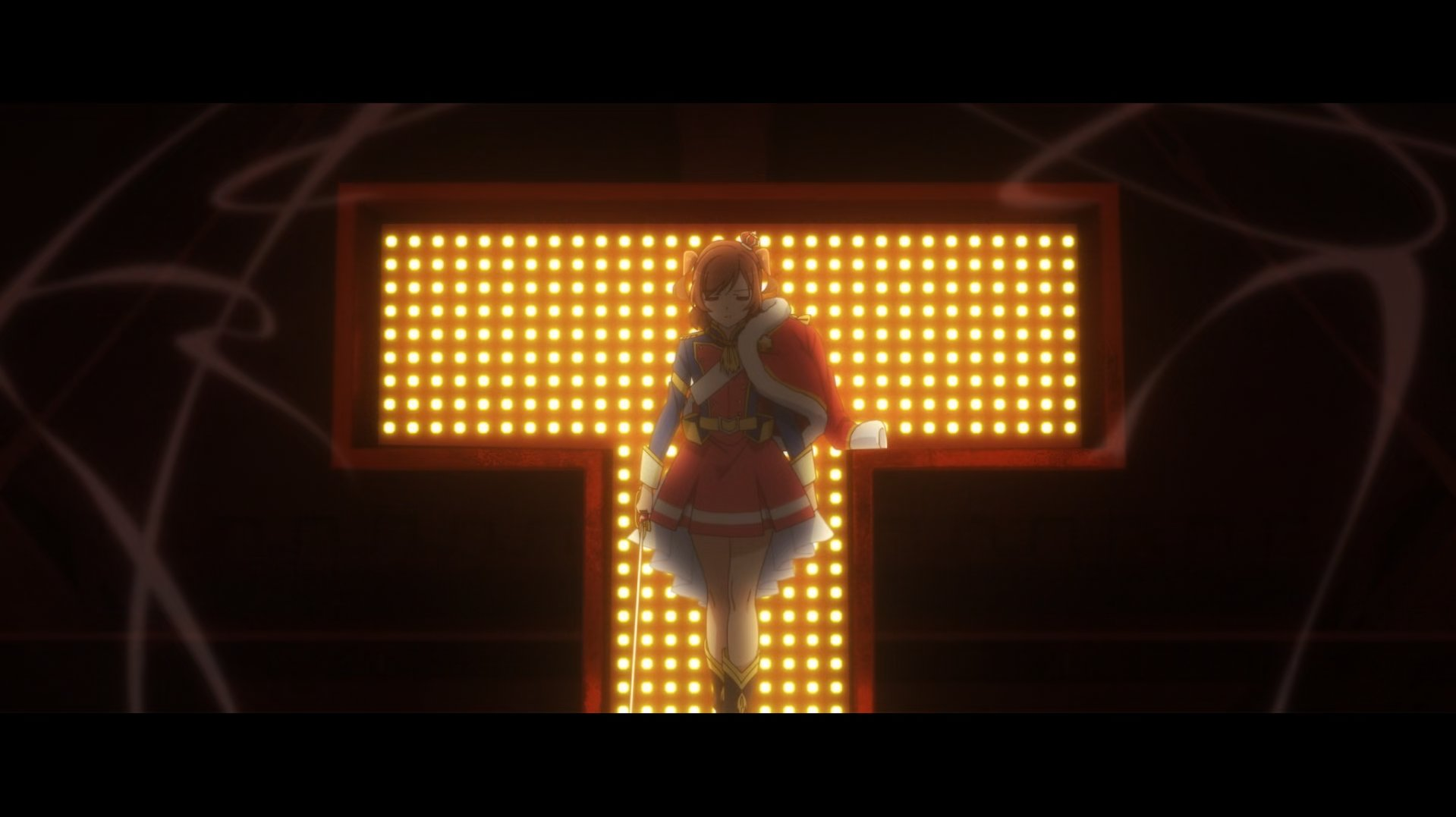
The girls chase for legacy, love, for tomorrow to come, happiness, kinship, for strength, for the stage.
But.. what about Karen?
Karen pursues the stage for Hikari, it's a fate she was roped into.
With Karen's death and rebirth, we get to say goodbye to the Stage Girl, turn to ashes and be reborn from them, we get to meet the Aijo Karen that the audience has been longing to see.
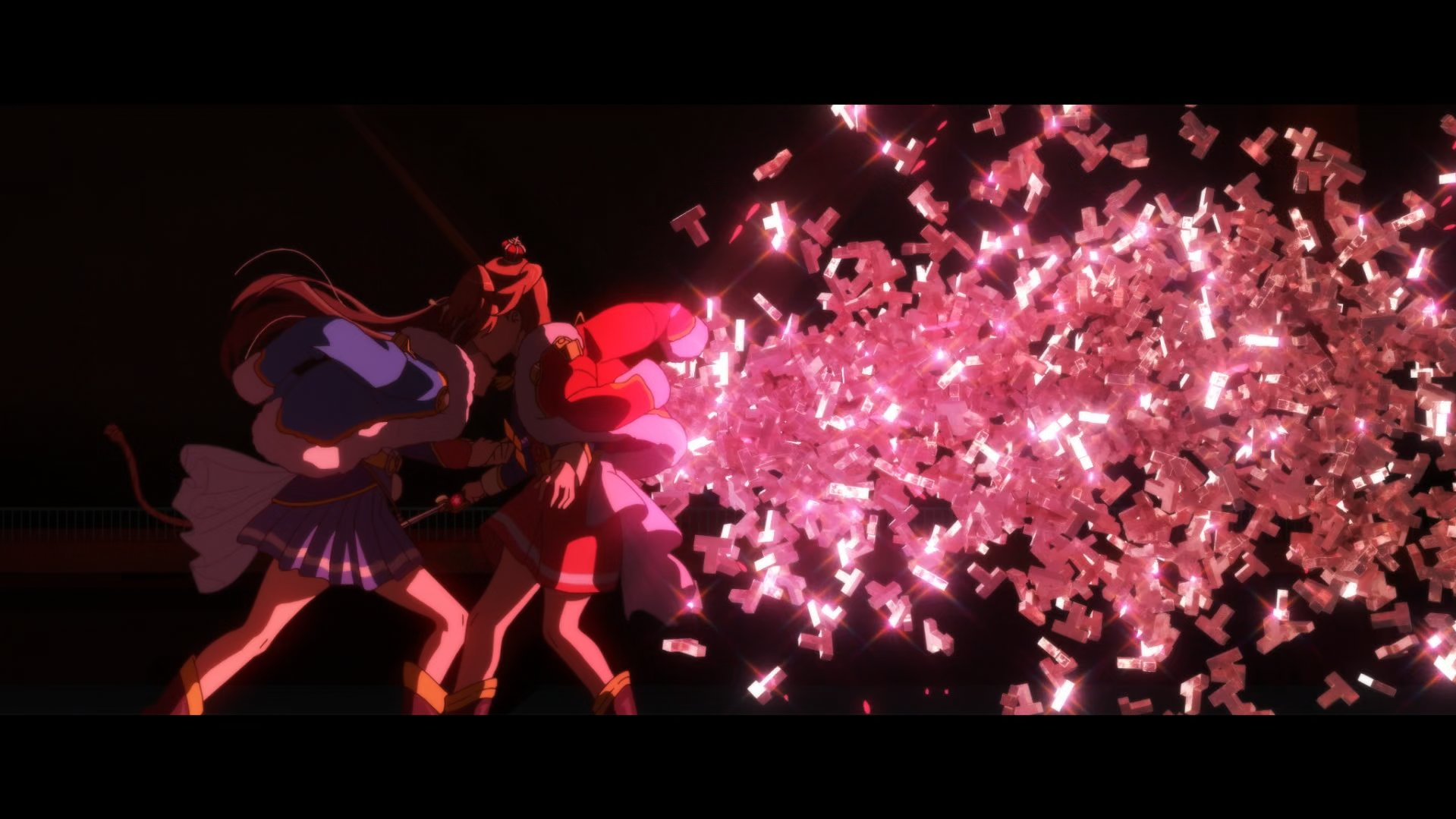
There’s no applause at the end. No encores. Just the sound of footsteps, walking into something new, going to a new stage, and saying goodbye to our school life, cutting our uniforms and letting the wind take them somewhere else.
Because this was never a tragedy.
It’s just the end of one act
And the start of the next.
You too can go find it, your next stage, your next role.
Today, right now, at this time, the stage continues.

 Inori finds Tsukasa, a coach that doesn't believe in himself, who becomes passionate about helping Inori achieve her dream of becoming a gold medalist, being completely captivated by her.
 Both Tsukasa and Inori lack confidence in their abilities, since they both started late, but it's because of this that Tsukasa with his new found passion for coaching, wants to make sure Inori will definitely achieve her dreams, and prove to her what took him too long to realize, due to not having anyone to help him with this, it's not too late to start pursuing your dreams and doing what you want to do, what you love. It doesn't matter what people say, you should just go for it.
 Both of our characters start off with inner self-hatred for the people they were in the past, but they're able to push eachother to greater highs, as mentor and mentee, and finding a new happiness that wasn't there before, but happiness doesn't last forever
 It's not all sunshine and rainbows, Inori struggles deeply with disappointing others, and with people thinking she's not putting her all into this, she's nothing outside of the ice rink, and Tsukasa really struggles whenever he fails in making Inori succeed, feeling inadequate.
 Inori, as her own name "prayer" indicates, is a girl whose strength comes from carrying the prayers and hopes of others, only making it more crushing whenever she fails, specially considering her young age, aswell as all of her insecurities that come from having hated herself.
 Never being good academically or having anything she excelled at, finally able to find her passion in skating, being good at something, and finding the strength to keep on going when things go south, thanks to Tsukasa as well as her rival, Hikaru, her shining light of hope.
 Hikaru is a fairly complex character, a girl that looks down on skating, who only started ice skating because the adults around her wanted her to do so, a girl who is constantly playing the role people want to see, not who she really is, following in the steps of Jun Yodaka.
 A girl who sees Inori as her salvation in this world, the two sharing mutual admiration, who eventually breaks through from this role she's playing and starts being her own person, breaking out from her miniature garden, and becoming the light (Hikaru) of hope that Inori needed.
 Tsukasa couldn't succeed at any of his dreams, replacing one with another when things went south, but he's now found a new dream, becoming the coach of his ideal, someone he wishes had been there for him when he needed it. He wants nothing more than to help Inori succeed.
 Tsukasa's and Inori's dynamic is one of the best you'll ever see, the side cast is also phenomenal, special mention to Iruka in particular, a girl who has lost all sense of normalcy due to her pain but refuses to get hurt any longer and wishes to become the coolest skater ever.
 It's not just the writing that is phenomenal in Medalist, the art is absolutely gorgeous too, having a perfect choreography in which you can really feel the movement at any time, as you can see by looking at the past pictures, Tsurumaikada has nailed everything in this series.
 There's a lot I could say about this series, and I didn't do it enough justice here but I'll make a longer review when it finishes, if you want a realistic story about hardworking people pursuing their dreams, pushing eachother and dealing with failure, please read Medalist!


Kimi no Iro, a tale of lies, faith, and being able to start again.
A tale of normal people that are facing normal problems with all of them pushing each other to face their problems from their collective struggles and personal drives to be better people, brought to you by the mastermind behind Liz and the Blue Bird, as well as Koe no Katachi; Naoko Yamada, who once again showcases her ability to create character-driven narratives with the use of an animation style resembling watercolor and pencil styles, representing the unique perspectives of the characters in her works, creating a visual experience that mirrors the characters' internal mindscapes.
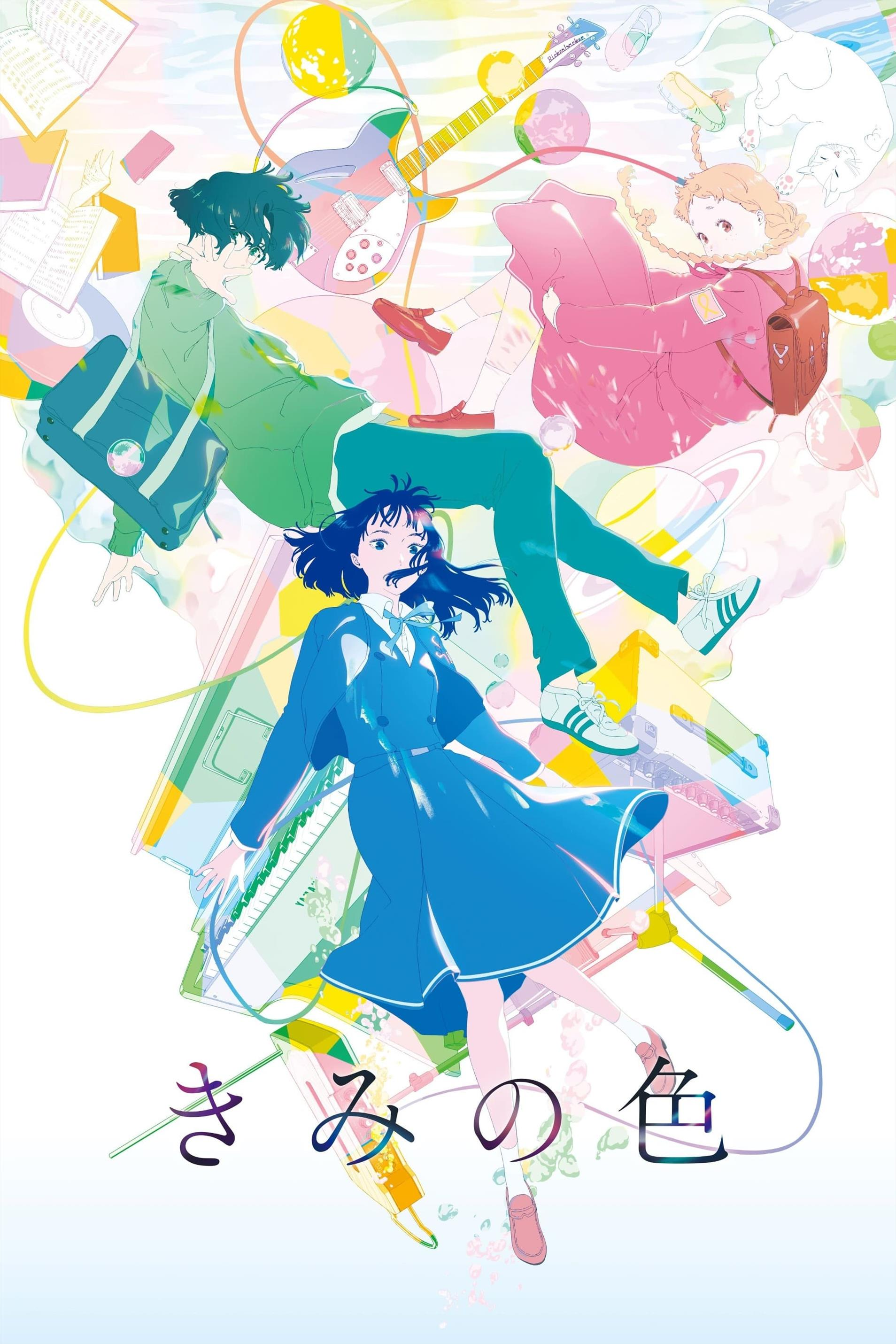
Totsuko is able to see everyone's color, everyone's true emotions, and adapt herself to them, unable to see the most important part, her own color, learning throughout the film how to acknowledge and express her own color, a color that continues to shift as she grows as a person.
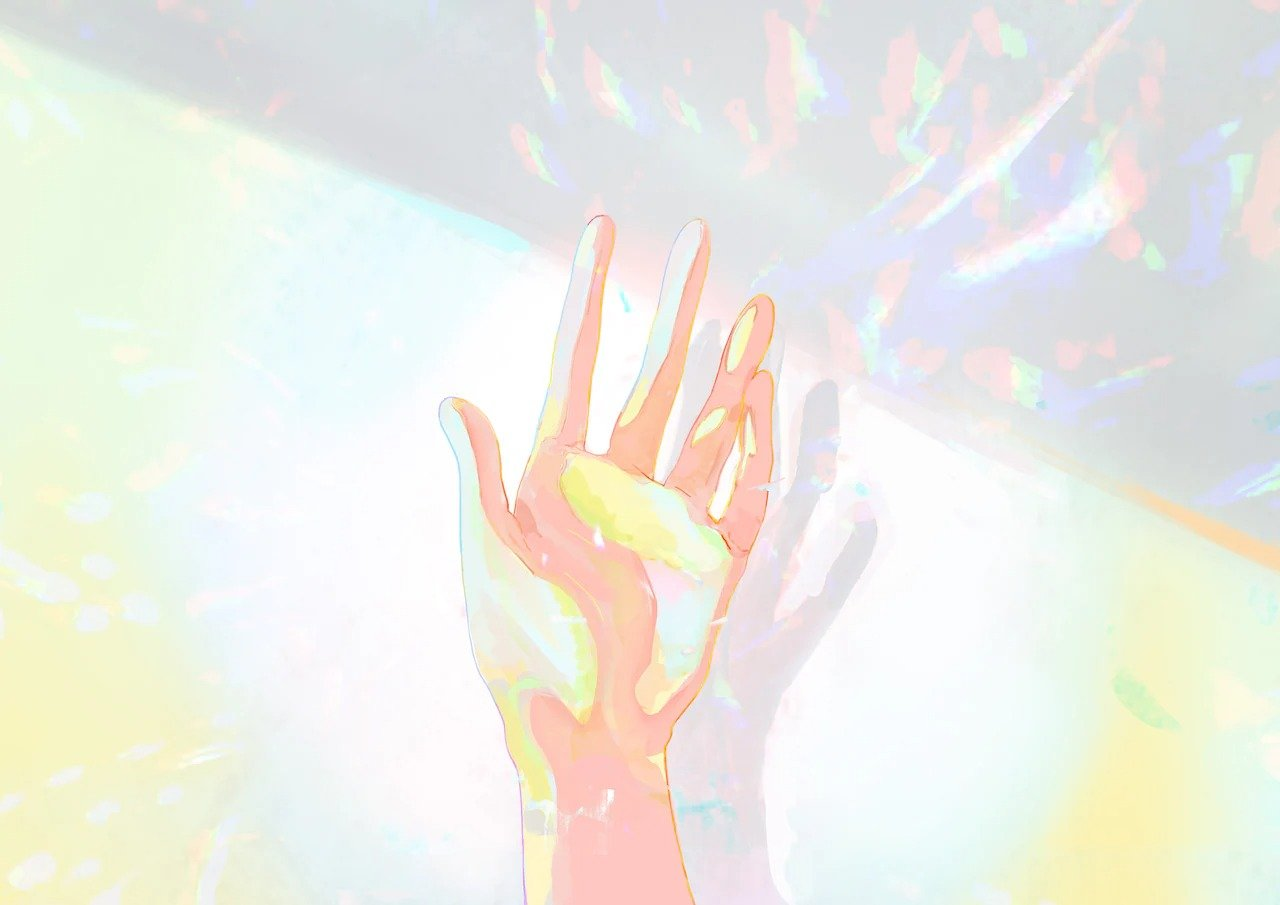
Everyone in this movie is a liar, in the sense of the small, quiet ways in which people hide their true selves and suppress their feelings, be it out of kindness, fear, or the belief that their emotions might be a burden to others.
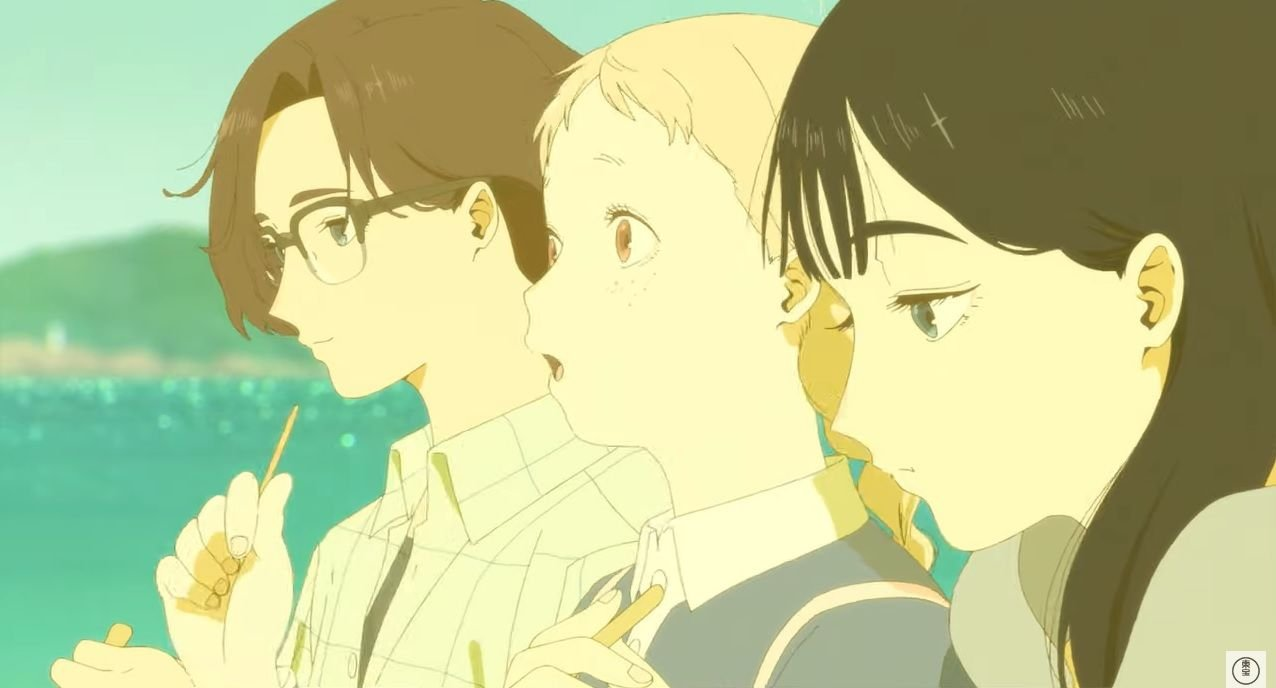
The emotional core of this movie lies in the moment in which each character stops hiding and lets their true colors show, when they're honest with those they've been lying to, and most importantly, themselves.
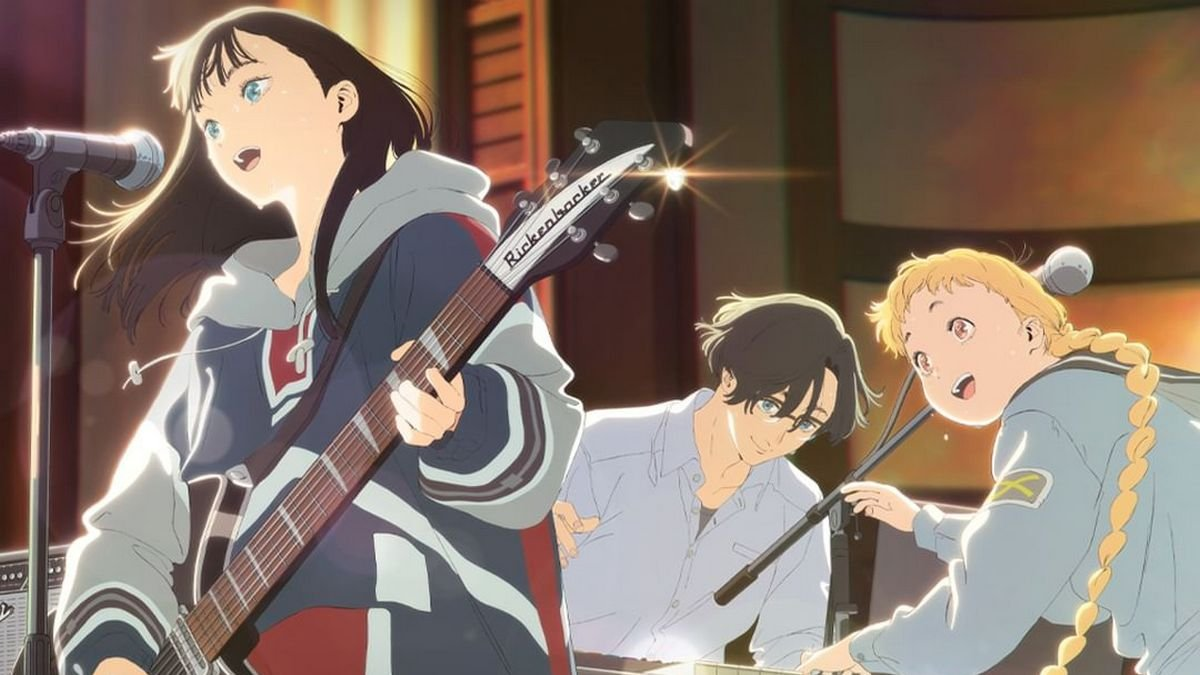
The theme of lying correlates directly with the theme of faith, no matter what decisions you've taken, with the help of others and God you can always begin anew, it's never too late to start again.
Isaiah 43:4: "Because you are precious in my eyes, and honored, and I love you".
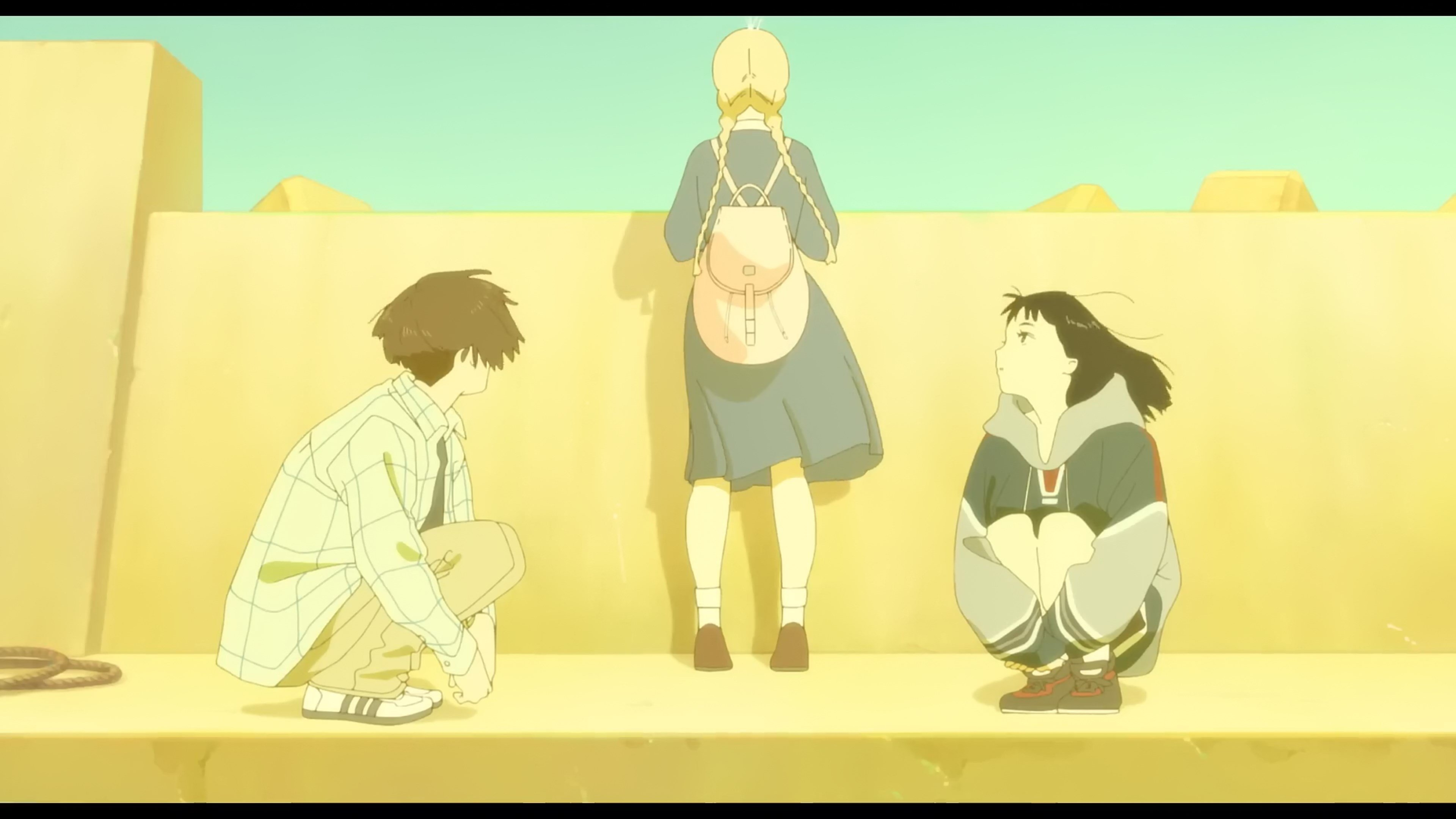
Each character faces their own struggles in their own way, without overly indulging in others' problems, making their growth feel personal and self-driven, from their own desire to better themselves.
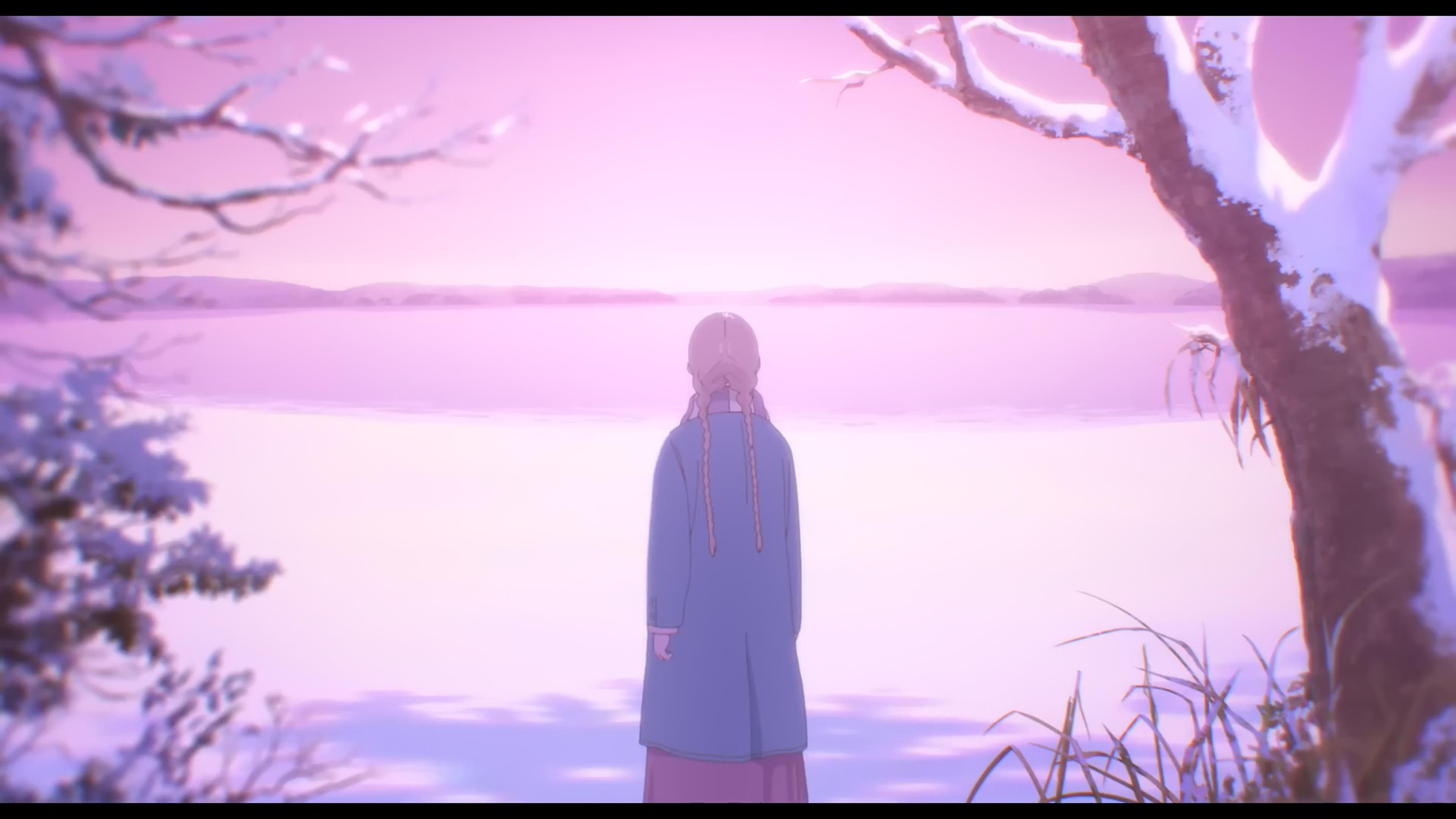
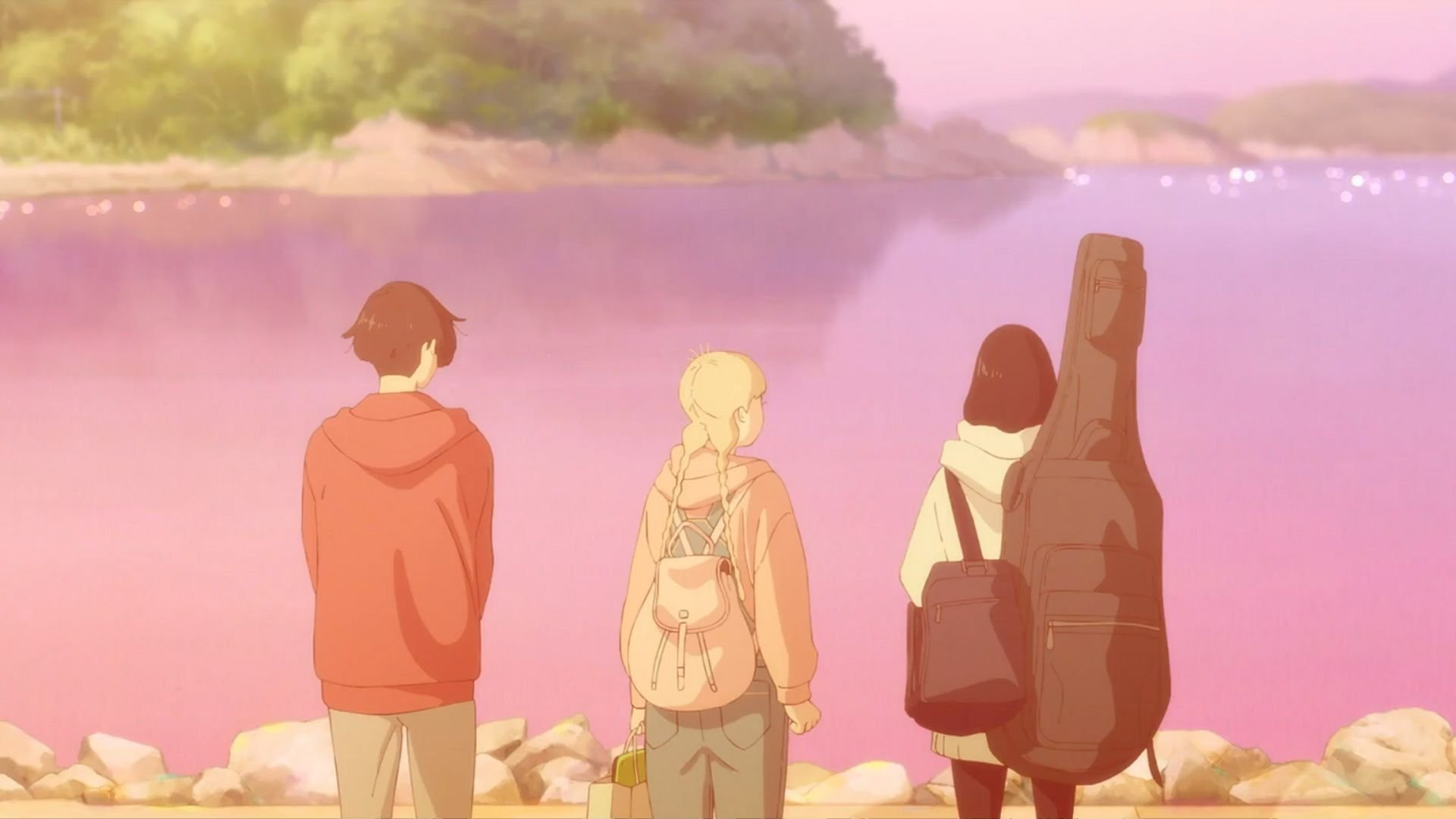
I could ramble about how good the film is visually and how great it's OST is, but if you're familiar with Naoko Yamada you should already know it's the best of the best, specially reminiscing of Liz to Aoi Tori, using similar techniques to represent Totsuko's way of seeing things. Shironeko-do does a great job at the music department, with catchy and just overall good songs.
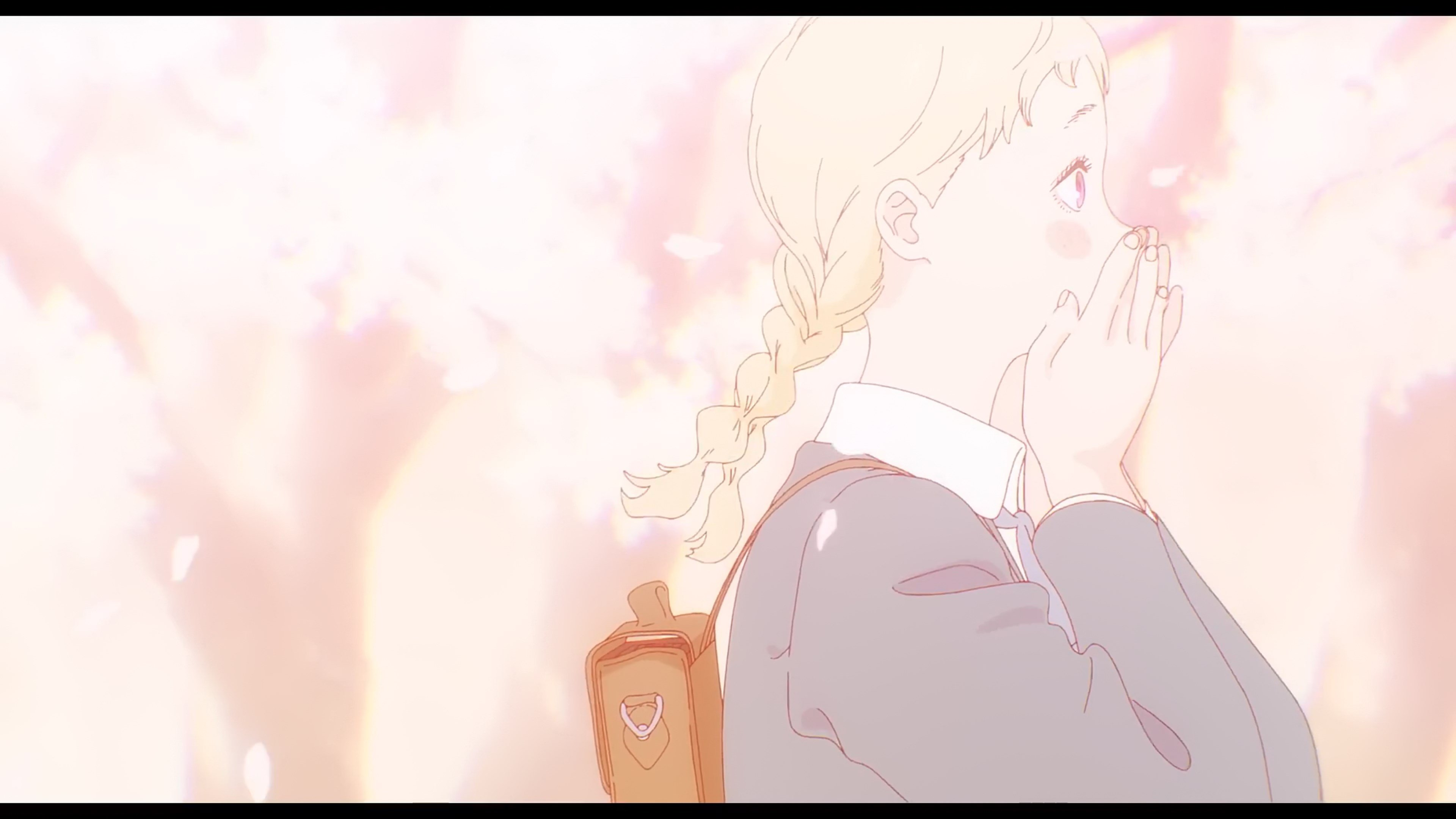
In conclusion I absolutely love everything about this movie and I think it's a great heartwarming journey about accepting and being honest with ourselves and with those around us. A journey about friendships and how we're able to use them to better ourselves pushing eachother to greater highs. Definitely one of my favorite works by Naoko Yamada, and a must-see for anyone interested in the themes I've talked about in the review.

A sequel that shatters all expectations and improves on every aspect over its first season and doesn’t shy away from portraying the physical and emotional tolls of athleticism, thanks to the brilliant use of a new main character.
It captures the harsh reality that hard work doesn’t always lead to victory, and that sometimes dreams need to be reshaped or let go because of how much of a jerk fate is, aswell as celebrate the growth coming from failure and the strength found in friendship and not giving up.
The narrative deepens its themes of friendship / rivalry and personal growth, as both Teio and McQueen have to deal with how harsh reality can be when in the pursuit of greatness, dealing with life-changing injuries, self-doubt, disappointment, and not living up to expectations.
Teio's and McQueen's dynamic in the season is nothing short of greatness, both of them are absolutely amazing and their relationship is without a doubt the strongest one in the whole series, when Teio was at her lowest point, it was mainly McQueen who gave her the strength to push forward.
This only makes the latter episodes even more emotional when the roles are reversed and it's Teio who gives McQueen the encouragement to not give up and makes a miracle happen.
The new introduced cast in the season doesn't disappoint, the one that shines the brightest though, is no other than Rice Shower, along with her companion Mihono Bourbon.
Seen as a so-called heel that ends others' winstreaks and shatters their dreams, being hated by everyone in the public and getting booed whenever she wins to the point of making her want to stop racing completely due to being both sad and afraid, is simply heartbreaking.
It's thanks to (mostly) Bourbon and Team Spica that she is eventually able to achieve the determination to keep on racing, despite the loneliness and criticism, the determination to achieve her own goals in pursue of cheers and greatness. She really is outstanding and she managed to steal the show for the little amount of screentime she got, becoming one of my favorite characters in the series, going from a heel to a hero
While season 1 was already enjoyable as a more silly show, in my honest opinion there's no better word to describe this season other than masterpiece, the unexpected change in narrative from seasons 1 to 2 solidifies the Uma Musume franchise as one of if not the best Sports anime / manga franchises available out there

