— — — —— — —
×
— —— —
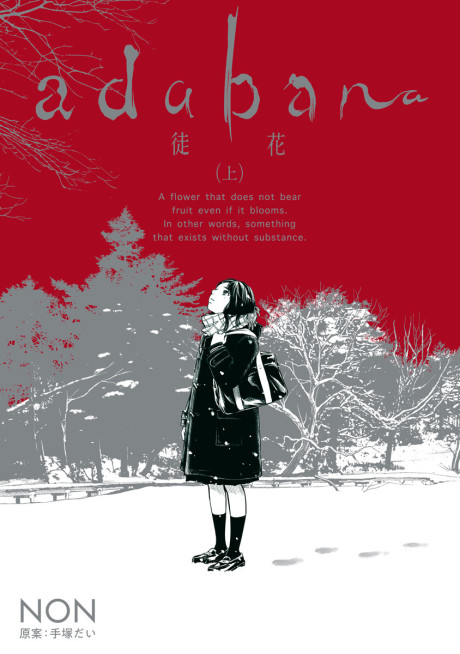
Tekrar okuduğumda farkettim ki manga hiç tekrara düşmüyor. Önceden tekrara düştüğünü dile getirmiştim ama hiç tekrara düşmüyor ve seni hep bir ters köşe ile şaşırtıyor ve bu ters köşeler yapılmak için yapılmış değil, tamamiyle üzerine düşünülerek yapılmış ters köşeler. Bu konuda manga'yı takdir ediyorum. Konumuz Mako adlı bir yaşadığı şeyler ve yaşadığı şeyler de Mizuki üzerinden anlatılıyor çünkü Mizuki onu öldürme suçunu üstlenip kendini ele veriyor. Sonra Mako başta olmak üzere Mako'nun çektiği/yaşadığı şeyleri görüyoruz. Mako'nun annesi ölmüş ve babası da sakat olan biri o yüzden evi geçindirmek için çalışması gerek, bunu da yarı zamanlı amcasının ramen dükkanında çalışarak yapıyor ama amcası onu cinsellik olarak kullanıp daha fazla paralar vereceğini de söylüyor. Bir gün amcası arkadaşı müzukiye istismarda bulurken amcası öldürülüyor ve buradan itibaren yavaş yavaş gerçekleri öğrenerek manga'yı okuyoruz.
Çok trajedik bir karakter ve manga'nın başından beri yaşadığı şeylere üzüldüğüm bir karakter. Şimdi yaşadığı şeyleri en başından itibaren anlatacağım. Öncelikle amcasının iş yerinde çalışırken hep kendi bedenini daha fazla para uğruna satıyor ve bunu sadece amcası değil babası da kullanıyor. Babası mako küçükken onun iç çamaşırlı fotoğraflarını çekip amcasına attığını da öğreniyoruz. Bir gün Mako Akatsuki adlı bir popüler erkekle tanışıyor ama bu onun için iyi bir şey olmuyor. Akatsuki amcasının Mako'ya yaptığı şeyleri öğreniyor ve gidiple amcasıyla konuşuyor ve ondan sonra amcası bir daha Mako'ya dokunmuyor ama bir şey var; Akatsuki bunu iyi bir niyetle yapmadı, ona bir teklif sundu. Ben Mako ile yakınlaşıyım ve onunla sevişirken çektiğimiz videoları sana gönderiyim sen de onları hem kullan hem sat ve bana da para ver diye. Sonra Mako'nun babası, amcası ve erkek arkadaşı Mako'yu kullanmaya başladı. Kendi bencillikleri için. Asıl olayı başlatan babası ve amcası zatenç Babasının savunması da çok parasızdık zaten o kendi isteği ile yaptı. Böyle bir savunma yapan kişini amk ve bu babası ise 2 kat amına koyıyım. Manga da Mako ve Mizuki bir de dedektifler hariç herkes orospu çocuğu. Bir de bu yetmezmiş gibi Mako'yu okulda da çulsuz diye zorbalıyorlar. Berbar bir kasabada geçen trajedik bir hikayeyi okuyoruz. Mako gerçekten en sevdiğim karakterlere girdi. Baya sevdiğim bir karakter oldu kendisi. Muhtemelen manga'da ki en sevdiğim karakter.
Ailevi sorunları olan bir karakter. Babası tır şöförlüğü mü ne yaptığı için eve gelmiyor bu yüzden onu pek göremiyor. Annesi ile yaşamak zorunda ama annesi de aşırı baskıcı. O kadar baskıcı ki dersler,iş veya diğer şeylerle abisini o kadar baskılamış ki abisi intihar etmiş. Yani Mizuki'nin de güzel bir geçmişi ve hikayesi yok. Bu karakter hep Mako'ya yardımcı olmaya çalışıyor ve bir hayalleri var; Beraber tema parkına gitmek. Hayalleri bu. Mizuki hem okuyucuyu hem de dedektifleri çok pis ters köşeye getiriyor. Mesela normal Mako bütün olanlar sebeiyle ve akatsuki'nin baskısı ile inithar etti ama Mako bunu cinayet süsü olarak gösterdi, yine suçu mizuki aldı ama en azından akatsuki de suç aldı. Genel olarak çok iyi bir karakterdi baya sevdiğim bir karakter.
Diğer karakterleri konuşmaya gerek yok çünkü hepsi orospu çocuğu.
Manga az da olsa bir kaç temayı ele alıyor. Bunları detaylıca işliyor mu bilmiyorum ama bence yeteri kadar yaptığı söylenebilir. Öncelikle manga Ailevi sorunları olmak üzere bir konuyu ele alıyor. 2 tane ailevi problemi olan bir kızı konu alıyor neticesinde. Sonra diğer ele aldığı şey trajedi; Manga zaten baştan sona trajedi üzerine kurulu, her yerde bi gaddarlık ve ağğağılık haraket var. Onun dışında toplum eleştiriş gibi şeylerde var denilebilir ama pek üzerinde durmuyor.
Üzerine düşünsem dahi konuşacak şey bulamadığımm bir şey bulamadım. Baya dramatik bir mangaydı ve beni çoğu yerinde üzmeyi başardı. Genel olarak böyle bir manga tekrar okuduğum zaman da gene baya sevdiğim bir manga oldu.
1- CH28
2- CH21
3- CH22
4- CH17
5- CH20


Let me start off by saying this: I love anime/manga involving princess intrigue, including all things villainess-related. Like any red-blooded American, I too want to be thrust into a life of pretty dresses, cute boys, and political disasters that I need to figure out how to solve by being a good person. My inspiration to watch this show was absolutely in that vain, and that along with the amusing premise is what carried me through the first couple of episodes. Eventually, I reached a point where I went from "this is a fun premise," to "I'm probably watching half of this before I go to bed tonight.
I then proceeded to watch the entire thing.
I LOOOOVED THIS SHOW OMGGGG
As I said, I was hooked by the premise, thinking that watching our wholesome little Connie surrendering control to the DIVA Scarlet would be pretty funny...
...and it was.
But there is absolutely more to this show than just that! Throughout the entire story, there is always something happening that is interesting and important! There are no dull moments, as virtually everything that happens does so with purpose, with the everything coming together over the course of the season as we learn intricate details of characters' backstories and why all of these crazy things are happening.
CHARACTERS
On top of the main characters being charming and interesting, the other characters are mostly great! I'm going to discuss some of my favorites.
KATE!!!!!

Kate is a great "best friend" character! It is refreshing to see a well-written character like this, where she's a kind, overall awesome person, has conflict with the main character, and still doesn't feel like a Mary Sue or as though her conflict is some forced issue to create issues for our MC to solve for the sake of the plot! Personality-wise, above all else, she is strong-willed and a good friend through and through! Her main conflict with our MC is how Connie disappears and won't tell her anything despite them being best friends. I would be upset too! And, despite it all, she doesn't throw a fit like I was kind of dreading she might! Kate would be a lovely friend to have in real life, and there might be no more problems in the world if everyone was just like her.
THE SAME CANNOT BE SAID FOR THE GOOOOAAAATTTT!!!!! I LOVE CICI!!!!!!!
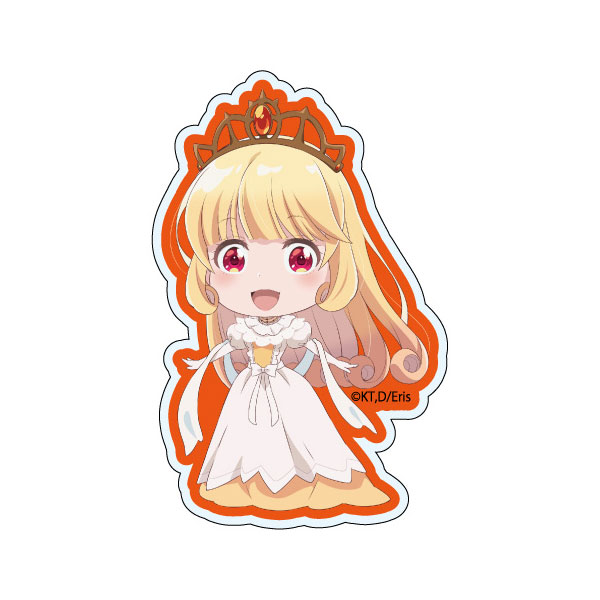
Crown Princess Cecilia is NOT a good person, and I would NEVER want to deal with her in real life. As a character, however, I love her. I could kind of tell that she was going to be evil from the millisecond she first appeared on my screen, but that didn't take away from my investment in her story. In my opinion, it is one of the most interesting things about this whole show. A diva has unfortunately been swiss cheesed by the opps in a sewer, but that's okay because she died how she lived: serving.
YAAAAYYYY!!!! CONNIE!!!
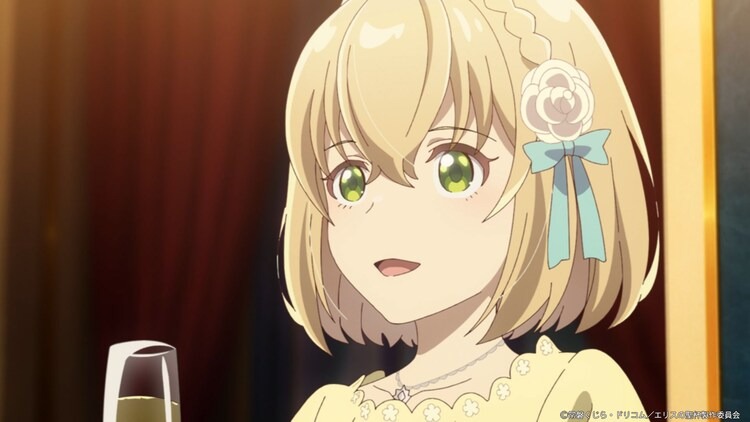
She is never going to not be a lovable goofball, because that's just who she is, but she has GOT IT GOING ON by the end of this show! Constance stands by being a good person through and through, even when that means telling a princess who's very clearly trying to drink poison that she's drinking that poison, even though she definitely doesn't want you to know about it. She never loses her good nature, no matter how much messed-up stuff is happening, and while she may still be naive at times, watching her go from innocent and sheltered to ready to be decapitated for a just cause, all coming from about the same place deep-down, made for a great character arc.
CONCLUSION
Watch the show.
ACTUAL CONCLUSION
This is my favorite anime of 2026 so far, and legitimately one of my favorites overall. If I had to pick something I didn't like, it would definitely be the romance, which I could have easily lived without. However, it wasn't a huge focus of the story, and every princess politics story needs a hunky love interest (or replacement tsundere yuri if not), as stated in the Constitution. Overall, though, I loved it, and the biggest complaint I have is that the story is over so we won't get more.
9/10
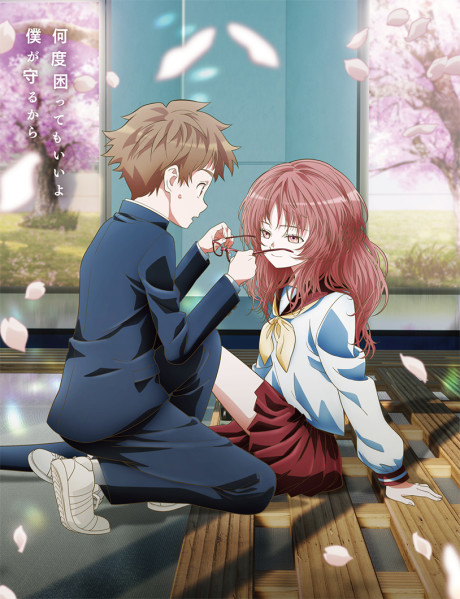

Anime bem fofinho meio que episódico sobre uma menina que consegue perder, quebrar e se esquecer do óculos dela em 13 episódios, até parece que isso vai ficar velho rápido, mas até que ele tem um pacing bem-bom, mas o final é meio fodase, o anime é muito mais "softcore" que devia e é mais sobre os personagens tentando se disfarçar que se gostam e não que seja ruim, porque até que gostei bastante, uma pena que demorei muito para ver; fiquei impressionado com o quão lento eu assisti esse anime, normalmente tento assistir no mínimo quatro episódios por dia, mas esse parece que tem sempre uma coisa se tacando na frente para fazer e quando eu vejo eu, eu passo do tempo para assistir que quando isso acontece, normalmente eu só assisto o resto para completar os quatro depois do filme, mas ultimamente tô meio mal e até por isso demoro mais para fazer as coisas e acabo sem "tempo" para assistir anime. "White people problem" ahh, mas até foi um anime para passar essa "fase" já que ele é mais lentinho e tals.
Muito fofinha a ceguinha, mas só quero ver qual o pretexto para o resto do anime, já que para fazer sentido é 13 episódio que ela tem que se esquecer do coulos, uma coisa essencial para a bixinha enxergar, lol. Gostei muito da cara de braba que ela faz quando não pode enxergar.
— 11-4-2026 Ep 1Aparentemente o pretexto é que ele não é muito temporal e uma cena pode passar no mesmo dia, no próximo, ou até em outra semana.
— 11-4-2026 Ep 2
Ele é meio que episódico, mas cada episódio tem umas cinco historia que se passa, às vezes dias e até semanas depois então fiquei até surpreso que o manga não era um "4-Koma" da vida, mas pelo menos acho que ele é temporal. A coisa mais estranha disso é que no final de cada episódio tem um preview que só fala para tipo, uma das coisas que vai ter no próximo, lol; é até normal ser meio inútil esses previews já que, pelo menos eu acho, é raro alguém parar para ver e tals, mas achei muito estranho como que fizeram nesse.

Às vezes é até estranho ver a Mie de óculos, de tanto a burrinha se esquece. Engraçado até pensar o quanto que ela gasta com óculos pelo quanto de vezes que ela perdeu e teve que comprar mais (engraçado que teve dois episódio diferente de ela comprando óculos e as duas vezes ela comprou o mesmo de sempre, lol).

Queria ver o pai da Mie, que ela tanco menciona, mas nunca aparece; engraçado que muito do romance do anime é porque a Mie viu o pai dela no Komura, lol.
Mie dayo (みえ だよ)
— Óculos da Mie
Essa Someya é uma desgraçadinha, engraçado como que ela quer ver o mundo pegar fogo às vezes, lol. E a Hibuchi é literalmente o contrário da Someya, e sempre tentar dispersar confusão. Gostei bastante dessas duas, uma pena que o anime é mais sobre os protagonista, tem muito personagem que só aparece às vezes, mas o anime é mais sobre um cara olhando para uma ceguinha que olha para ele com cara de raiva porque ela se esqueceu do óculos dele kkkkkkkkkkk.
Incrível com o quão parecido ele é com o anime do gato que é do mesmo estúdio, mas não imaginava ser tão igual.
— 12-4-2026 Ep 3
Muito das partes legais que vi nesse em questão de arte e animação parece que foram uma reciclagem do anime do gato, os dois funcionam exatamente igual, bacana ver muita coisa que gostei lá, aqui também.

Não tinha achado nada de especial na ending, mas escutando mais fez eu gostar mais dela e até coloquei ela no Spotify e fiquei escutando mais que assistindo o anime, lol. A opening eu não gostei muito, não foi ruim, mas não me chamou muito a atenção.
Oque eu gostei em relação e achei muito engraçado foi como que um monte de Sound Effect são só os dubladores fazendo barulho com a boca, ou só repetindo o nome, lol, toda hora fazia eu morrer da dar risada, até nas notificações do celular ela só os dublador fazendo barulho.

Muito fofinho os dois criancinhas, lol.
— 15-4-2026 Ep 13
O final foi meio merda, mas seila como que podia terminar também, acho que se terminasse com alguém se declarando ou eles se beijando também não ia ser muito certo, achei legal mostrar que eles tinham se conhecido criança e tal, mas acho que ia ser legal depois daquilo, vai ver, mostrar um futuro com eles casado, mas aí já é pedindo demais, não é porque eles se gostaram na escola que eles vão ter que se casar, lol.
Gostei bastante e acho que não tenho nada a reclamar dele.

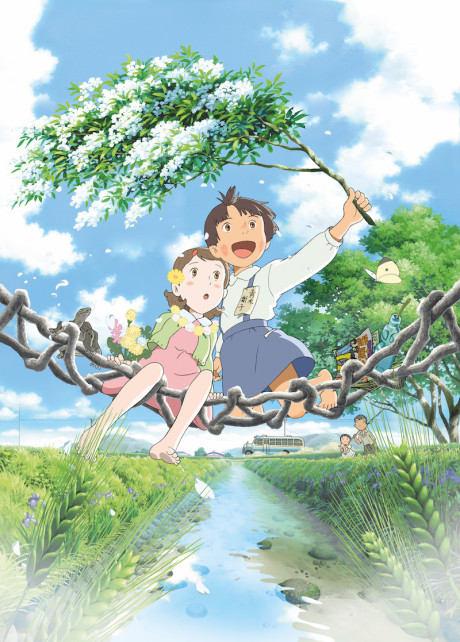
Mai Mai Miracle is one of those films that sneaks up on you. It is set in 1955 in rural Yamaguchi Prefecture and follows Shinko, an imaginative, restless third-grader who grew up hearing her grandfather's stories about the ancient history of their small town. A thousand years ago, the same unremarkable patch of countryside was the site of an imperial capital, and Shinko carries this knowledge like a private superpower — the ability to look at a dusty road and see something richer underneath it. When a quiet, withdrawn girl named Kiiko transfers from Tokyo, the two form a friendship that becomes the emotional backbone of the entire film. Woven alongside their present-day adventures is a parallel storyline set a millennium in the past, following a young princess named Nagiko who once lived on the same land. The dual timeline never feels like a gimmick. It functions more as emotional texture — a way of saying that grief and longing and childhood wonder are not modern inventions, that this earth has always held people who felt things deeply.
One of the film's most quietly impressive craft choices involves Kiiko's introduction. In the early scenes, before she and Shinko find each other, the animation uses shadow in a way that is easy to miss but impossible to unfeel once you notice it. Kiiko moves through scenes with darkness falling across her face and figure, as though she is perpetually standing just outside the light. It is not dramatic or heavy-handed — it is subtle enough to read almost as a coincidence of framing. But it accumulates. By the time you consciously register what the film has been doing, it has already worked on you. Kiiko doesn't just seem sad. She seems absent from the world in a way that has a visual grammar to it. When the light eventually reaches her — gradually, through the chaos and warmth of Shinko's friendship — the shift feels genuinely earned rather than scripted.
The friendship between the two girls is handled with remarkable restraint. The film never over-explains Kiiko or rushes toward resolution. It simply lets Shinko's relentless, slightly oblivious warmth do what warmth actually does — not fix things, but make them survivable. These are children helping each other the way children actually do, without grand gestures or articulated epiphanies, through shared goldfish and cave exploration and accidentally consuming Kiiko's father's liqueur chocolates. There is a lightness to the first half of the film that is not naive — it knows exactly what it is doing, building joy with deliberate generosity, because it understands what the second half is going to ask of you.
The story is strong enough that the film's weaknesses become more frustrating than damning. The voice acting for Shinko is the most immediately noticeable stumble. There is an over-performed quality to it — a projected, slightly forced energy where the character needed something messier and more unguarded. Shinko is a girl with enormous inner life, and a voice performance for a character like that needs to sound like it is thinking rather than announcing. The animation has a similar unevenness — there are sequences of genuine beauty where the craft is fully visible, and then cuts that feel rushed, like the budget thinned at exactly the wrong moments. Neither flaw is fatal. But both are real, and they occasionally pull you out of scenes that should be fully immersive.
What the film gets completely right, what no technical unevenness can touch, is its characters. And no character lands harder than Suzuki.
Suzuki is the kind of character that lesser films would flatten into comic relief or a plot device. Instead he becomes something rarer and more painful — a genuinely decent kid who loves someone he cannot help and loses them in a way he will never fully process. His arc is the most heartbreaking in the film. Not Kiiko's grief, as raw as that is. Not the parallel tragedy of Nagiko in the past timeline. Suzuki's — because it is the quietest, and because he faces it with the specific stoicism of a boy who has been taught that bearing things alone is what strength looks like.
His feelings are never stated outright. The film is too smart and too honest for that. It shows them instead in the texture of his attention, in the small ways he positions himself, in the way his face changes in scenes that are otherwise played for lightness. When everything falls apart, Suzuki doesn't collapse visibly. He keeps moving. And somehow that restraint is what makes it devastating — watching someone that young learn to carry something that heavy, without anyone teaching him how, without anyone even fully acknowledging what he has lost. It is the kind of scene that doesn't reach for tears. It simply earns them. It will make you cry before you even understand why.
Knowing that the film is based on Nobuko Takagi's autobiography adds a layer that changes how every scene sits. Shinko is Takagi as a child. Suzuki is a real boy. Kiiko is a real person she loved. Takagi carried all of them long enough to write a book about them decades later — and then became one of Japan's most decorated literary authors, winning the Akutagawa Prize, the country's most prestigious literary recognition. The specificity of what she remembered, the precision of the joy and the grief both, tells you everything about what that summer meant to her. Memory that exact about happiness is its own form of mourning. It explains why the film's lightness has an ache running underneath it that you feel before you can name it.
The parallel Heian storyline earns its place in this context. Shinko's obsession with Nagiko — her insistence on imagining the life of a girl who stood on the same ground a thousand years before — is not escapism. It is a child trying to close a distance that genuinely bothers her. Which is why the fantasy sequences never reach for magic. They feel like a form of love instead.
The film has a series-shaped quality that 95 minutes cannot fully contain. The episodic rhythm of the children's adventures, the way each small arc slowly reveals another layer of the town's social world — it breathes like long-form narrative compressed under pressure. A 12-episode anime adaptation of this material could have been genuinely devastating in the best sense. More time with Kiiko's interiority, more time with Suzuki before the second half arrives, more room to breathe inside a story that clearly has more to give than its running time allows.
Mai Mai Miracle is not a flawless film. The voice acting stumbles, the animation is uneven, and it asks for a patience that not every viewer will give it. But it is a deeply good film, and a criminally underseen one. It will make you cry in a scene you don't see coming, about a boy who never says what he feels, on a patch of earth where someone loved and lost and remembered long enough to write it all down.
A solid 7 out of 10 — and an honest recommendation to anyone willing to slow down and trust it.
![[Oshi no Ko]](https://s4.anilist.co/file/anilistcdn/media/manga/cover/large/bx117195-r3kf8eF0xkDJ.png)
Avevo sentito che il finale aveva generato molto disappunto, quindi, insieme al rilascio dilatato dei volumi e alla possibile (e aberrante) relazione incestuosa con la sorella, avevo interrotto la lettura. Solo con l’uscita della terza stagione dell’anime mi è tornata la voglia di leggerlo, per scoprire il finale, visto che mancavano solo 4 volumi e avevo tutta la storia fresca in mente.
Niente da dire sui volumi 13 e 14, che portano avanti la storia senza grossi colpi di scena o modifiche alla direzione. Il volume 15, invece, sembra chiarire i dubbi sulla direzione dei principali argomenti del manga, ovvero: l’approfondimento e l’evoluzione dei personaggi, la vendetta, la critica all’industria dell’intrattenimento e, non meno importante, la romance.
Come aveva preannunciato il penultimo volume, con l’inizio dell’ultimo (16) si assiste alla prima risoluzione della vendetta. Sebbene non sia impattante come ci si sarebbe potuti aspettare, porta sul tavolo temi e valori coerenti con l’opera e con il tentato realismo della stessa.
Il disastro arriva con gli ultimi capitoli, che, dopo un’apparente conferma degli intenti del primo finale, lo ribaltano completamente. Questo cambiamento è così improvviso che avviene tra una frase e l’altra, accentuato dalla trasformazione dell’espressione di Aqua. In poche vignette e in un unico capitolo vengono distrutti tutti i risultati dell’evoluzione del personaggio precedente. Con questo capitolo si rende chiaro che la parte che avrei voluto leggere non arriverà mai.
L’ultimo capitolo l’ho letto velocemente, sperando di scoprire che il precedente fosse uno scherzo, una menzogna o un sogno; invece era tutto vero. Non ci sono particolari trame non chiuse, ma mancano molti approfondimenti finali che sarebbero stati necessari, primo su tutti una critica feroce a tutto l’orrore e il marcio mostrati riguardo al mondo dell’intrattenimento.
La sensazione finale è che il mondo che cercava di mostrare e sviscerare non sia poi così male al di fuori dei personaggi più marci. Alla fine, le relazioni parasociali e l’influenza che questi idoli hanno sembrano andare bene così, nonostante siano state la causa di tutte le disgrazie avvenute. Il lavoro dell’idol ne esce come positivo, sia per chi ci lavora sia per chi ne fruisce.
Davvero un finale che non rende giustizia alle sottotrame precedenti, che avevano mostrato il cambiamento e la resilienza dei personaggi di fronte alle difficoltà. Penso che un finale come il primo fosse più adatto ai ragionamenti che erano stati fatti fino a quel punto, ma anche un finale totalmente drammatico non sarebbe stato male, se fosse stato accompagnato da una corretta gestione degli ultimi volumi e dei sentimenti di Aqua.
Col “secondo finale” sembra voler mettere il piede in due scarpe. Alla fine è chiaro che non ci fosse una direzione precisa nella scrittura verso il finale; infatti credo che non possa soddisfare appieno nessuno: né i più vendicativi né i più pacifisti/realistici.
La serie ha provato a portare molti argomenti e generi in contemporanea, e lo si capisce già dai primi volumi, cosa che io ho apprezzato molto, visto che mi piacevano tutti.
Che finale di merda.
Resoconto finale dei temi/generi distrutti:
• Romance: il più distrutto (un bel 10/10 alla distruzione)
• Critica sociale: abbastanza distrutta (un bel 7/10)
• Aqua: distrutto (un bel 8.5/10)
• Lato investigativo: un bel 9/10 (dato da come si scopre il cattivo per caso)
• Evoluzione generale dei personaggi: rotta (7/10)
• Vendetta: devastata (9.5/10, la roba meno soddisfacente di sempre)
L’unica cosa che si chiude con uno spunto interessante è la dualità del personaggio di Aqua.
Come al solito mi chiedo come si dovrebbe valutare un’opera seriale che mantiene un alto livello fino al finale e poi si distrugge. L’ultimo volume vale più degli altri? Perché altrimenti la media dell’opera non sarebbe male.
Che dolore dover scrivere queste cose su una serie che ho letto fin dal primo volume uscito in Italia e a cui mi ero affezionato nei suoi alti e bassi.


After writing my first review, I figured I needed to move on and review an anime that I felt was extremely important to the industry. Death Note not only felt like the right choice for this, but I feel that it is an anime that goes beyond just the industry itself. It's not uncommon for me to be scrolling through videos during my regular day to day and subtly notice quotes, music, and different scenes from this phenomenal anime being used. The entire culture that Death Note has created and the fact that it is still being implemented 20 years after its release speaks volumes to how important of an anime this truly is. Beyond even the culture that it has cultivated, it boasts itself with the incredible number of literary devices used to a degree of high standard. The contrast between Light and L, the symbolisms of the apple and the stairs where the story ends, and the ever present use of foreshadowing land in the same degree that Shakespeare and Hemmingway were able to use them.
When I depict Death Note against the grand scheme of anime, I see it as the gargoyle that sits at the top of a building (both aesthetically and metaphorically). Like a gargoyle, it is a spectacle to look at, it resides outside, and it stands at the top - overlooking everything while also functioning as a protector. If you've ever played the game Jump Force, you may recognize that among all the action titles represented within the game, Light and Ryuk make appearances as the only non-playable characters. Hopefully you are seeing the picture I'm trying to paint here. Among all these long and thriving Shounen with action and fighting, Death Note serves as the quiet friend who fits into the group better than any other member and receives the most respect. It is the gargoyle that watches over the rest.

For my last review, I broke up each section into three different characters that I used to dive deeper into the show. And in thinking about how I wanted to go about this review, I instantly decided on using three of my absolute favorite songs from the OST. Often times when I am watching a show, any song that captures my attention I will instantly add it to a playlist that I listen to. However, Kyomei was one that I missed the first time through my watch. While rewatching the show with my dad, I recognized how beautifully it paired with the scene of Light and Ryuk walking between the cherry blossoms after his graduation. This song gives off the perfect tone for moving on in life, and the cherry blossom visual pairs with the theme of Spring, change, and growth excellently. After being tested by L during their graduation, Light is seen walking to his dorm with no sense of worry, and the soundtrack's somber and melancholic resonance put you right into his shoes.
This is the first of three tones the show personifies so well. Composure, acceptance, confidence, balance, poise, and repose. These are all words that are so integral to the plot of Death Note. Both Light and L's characters could not work without any of these qualities. It gives way to the battle of wits that is later tested throughout the rest of the series. It's a constant test as to who can practice these traits in a better manner, and it makes this relationship between the two into one of the most notorious relationships in any form of media. In English, Kyomei translates to sympathy or resonance. These words not only give way to the development of the relationship between Light and L later in the series, but it perfectly captures the essence of a deeper message behind this story.
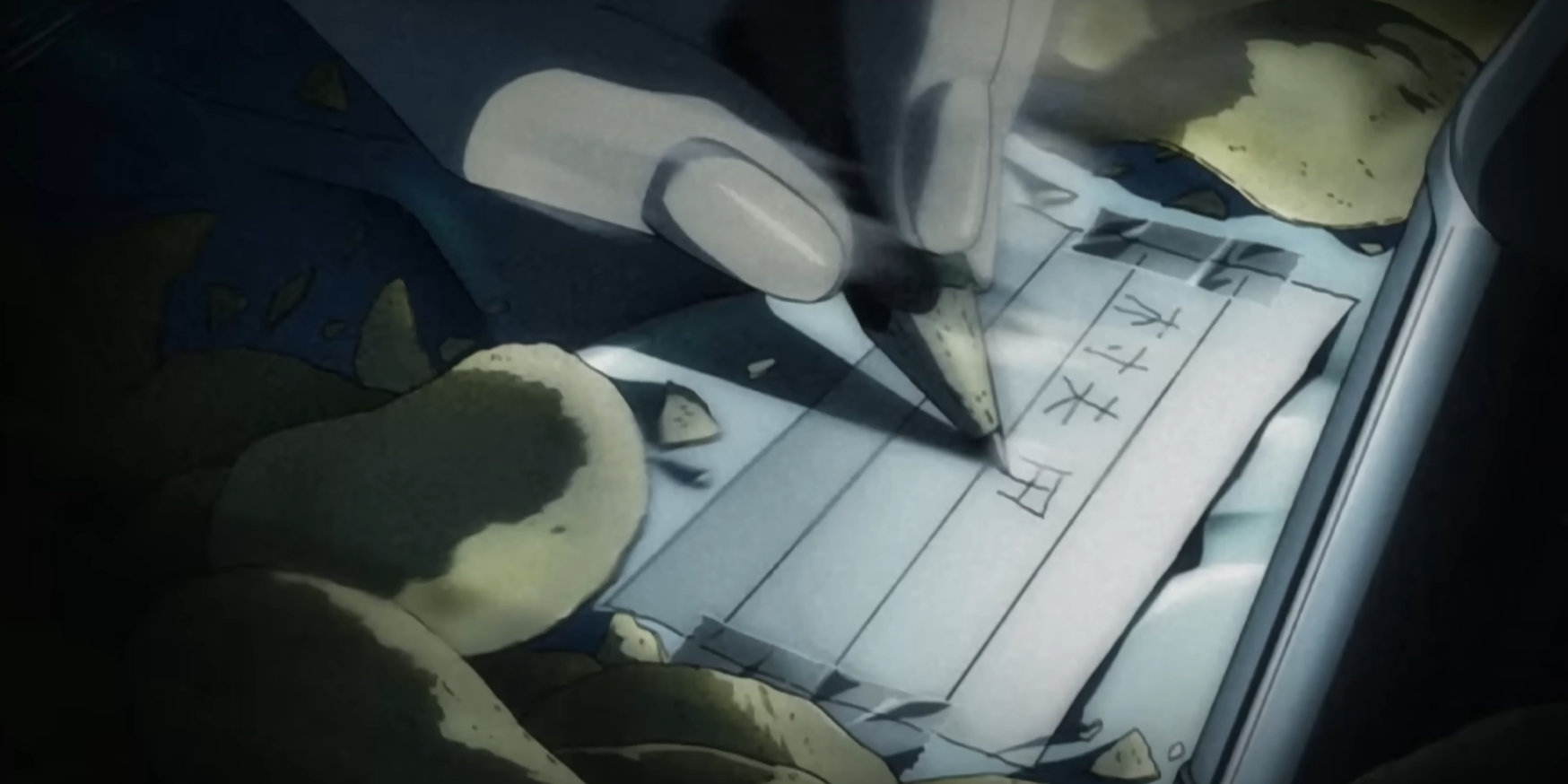
Intertwined between Light and L's relationship also bares a lot of selfishness, which is what the definition of solipsism can be translated to. This leads to our second tone, and most notably this theme is tied with the chip scene. This scene is a great portrayal of selfishness and the desire that Light and L have to best one another. And what never fails to impress me is how well this song encapsulates this feeling. The use of the violins help to symbolize the timely haste and precision Light needs in his plan, the trumpets and cymbals represent the fear of failing, the bells signify fate and destiny, and the chorus vocalizes the tension in the first half of the song and victory in the second half.
The use of symbolism in music is an extremely difficult feat to accomplish, yet the OST nails it time after time. Along with this and it's impeccable story telling, characters, and aesthetic, Death Note is simply one of the most impressive series ever made.
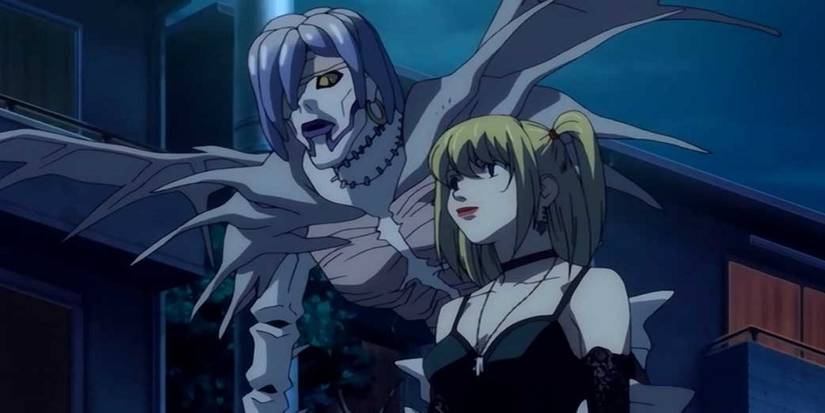
Perhaps the most profound tune within the soundtrack, Rem is used as a way to personify an unexplainable feeling of love, peace, and accepting death. These are all things that are attributed with the character Rem within the show. Her character progression is probably one of the most overlooked within the show due to her acting more as a minor character, however the theme played along with all of her thoughts and actions made me focus on her relevance a lot more.
Rem is a complete representation of loyalty and love. A love so profound that she did not hesitate in taking her own life to save Misa's. While this is a trope often displayed in a number of different movies and shows, what differs here is the lore behind the Shinigami and the use of music to deepen this feeling. If you listen to the song, the beginning is very slow and uses few notes. The piece gives off a sense of vibrant light and purity, revealing to us that Rem is the furthest thing from the definition of the word "Shinigami". She embodies these feelings of love and protection more-so than any other character within the show, which I feel is a call out to the shameful way that we as humans live.
There are a lot of things that make Death Note such a great anime, but to me it is all elevated tenfold with its indescribable OST. And while I understand why a lot of people have an issue with the second half of the show, I feel that it was important and necessary to culminate in the way that it did. It is still clear to see all of the passion that was still being put into the later season, even if you felt that it may have missed the mark. Personally, I still loved every single second of every episode and my hope is that everyone who has or plans to watch this feels the same way. Death Note is a one of a kind anime and should be on everyone's list of shows to watch before they die.
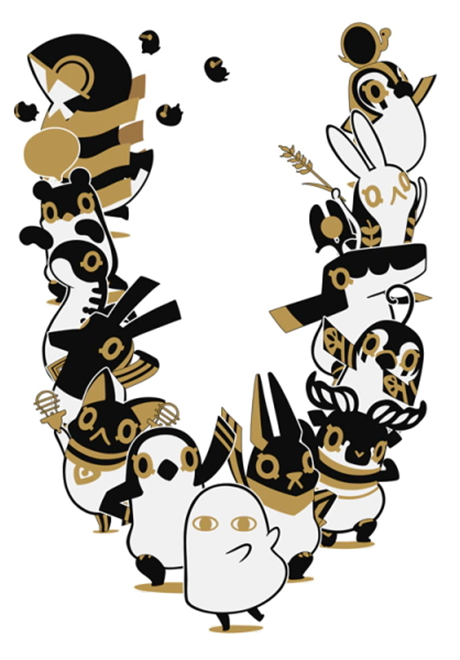
Watching this show for me was completely on a poorly strung whim. However I fully believe in the necessity of fate so I thank forces above me for granting me such wisdom.
I don't want to call this art mainly because its a bit more than that, but to ground myself and thusly this review, it will be art, but its not only that! Its a sudden and religious egg-erience, that fully intends to change the mindset you might have on the world.
Such strong character designs that could only be the folly of the gods themselves, ones you must set yourself onto and kowtow to the best of your abilities. The thick black lines and the shimmering gold streaks that make up eyes and head pieces of Thoth, Horus and even Bastet. The backgrounds take a solemn second place medal, they are pretty good, the water-colored look and anything closer will transition to a more HD look (there is truly not a better way to say it). The blend between the two or even the Venn diagram like mixture melds into a great looking show, but not computer wallpaper tier. I wish a lot more shows were vibrant and bold as such, but not everyone is capable of reaching the crescendo of gods.
Flog me as you wish but the music, each of each would play at the start of the 5 minute episodes (as is tradition) and those that play as a backing muse to our bit sized holy figures of the Nile and dune, its simply just okay. In fact a great benchmark, that even you my dear reader could do right now is trying to remember the lines and lines of music notes that verbalize in your head. Yes, think of the music, or the absence of, and that's the issue, its just okay, alright even as one might say. I wouldn't have the gall to say its bad or horrid by any means but its not very good, as average as sand pushing waves brushing up against the ports of Clysma. There is a strict note of the last three episode that bring in the talents of Yukari Tamura of Higurashi and Nanoha fame, some light at the end of the mediocre tunnel.
The story is something that exists in a gag-based vacuum and must not be view akin to the same way you are reviewing a film reel or a novel of herculean size. Each small arc will focus on one of the gods, highlighting their woes, ups and downs, like Horus and his deceptive rival Set, but what's key to enjoyment is knowing what each of the gods represent and thusly seeing our gaggle of heroes flipped to their moe gapped bellies causes a great laughter to erupt from me. I greatly love the lack a daisy comedy that has a strange number of western references, which I guess makes sense given the setting.
Sandy packaging aside, The great visuals and wonderful character webbed gags are a great bag full of fun and I would wish this show upon anyone like a plague, maybe I will.

NOT: Bu elestiriyi yazarken en son 3. Sezonu bitirdim.
Isekailere hep onyargili yaklastim anime izlemeye basladigimdan beri. Farkli bir evrende tekrar dogmak ve surekli ölüp ölüp dirilebilmek plot bosluklarina ve yazarin cani istedigi gibi senaryoyu yazabilmesine neden olucagini dusunuyordum. Rezero'ya cogu kisi en iyi isekai dediginden belki onyargimi kirar diye dusundum ama pek de oyle olmadi. Tonla ana karakterin lehine senaryo var bekledigim gibi. Yine de rezero oldukca guzel bir anime. Turunden kaynakli sorunlari goz ardi edersek neredeyse her iste cok basarili.
HIkayesi cok yogun ve akici. Surekli sorunlar ortaya cikiyor ve daha sorin cozulmeden yeni sorunlar ortaya cikiyor karmakarisik bir durumun icine giriyor subaru. Ozellikle sonraki sezonlarda oyle durumlar olusuyor ki ayni anda beş farkli bolgede apayri olaylar oluyor, hepsi de onemliler. Bu anlamayi zorlastirsa bile yogun hikayeleri sevenler icin bulunmaz nimet. Ayrica garfiel'in tapinagi inatla korumasi disinda akiciligin azaldigi hicbir an hatirlamiyorum. Surekli olaylar surekli lore'la ilgili bilgiler veriliyor. Izleyeni senaryonun icinde tutmayi basariyor rezero. Bunca guzel seyden bahsettim ama bu animenin buyuk bir sorunu var: hikayenin inandiriciligi. Hikaye boyunca subaru tonla sorunla karsilasiyor. Bunlarin cozumunu izlemek keyifli evet, ama kesinlikle beynini kapatman lazim. Subaru hikaye boyunca sorunlarla karsilasiyor ama bu sorunlar bazen asiri yapaylasiyor. Bazen yazar bolum sayisini tutturmak icin subaru'yu birkac kez daha oldurmek istiyor, Bazen de subaruyu inatla öldürmeyip tekrar ölmemesini sagliyor. Sadece mantik kurarak bile "subaru beş bolumdur yaşıyor ve cok kisiyle iletisim kurdu, yazar simdi subaruyu öldürürse bunca iletisim bosa gitmis olucak. Yani yazar kesin subaruyu öldürtmücek" diyebiliyorsun. Ayrica subarunun surekli olmesine ragmen hala ölmemek icin direnmesi ikinci sezonun sonlarina kadar oldukca gereksizdi. Echidna'yla olan sohbetine kadar en kucuk planlarindaki sorunda intihar edebilirdi ve sorun da olmazdi. Bu gibi seyler isekai'lerin hepsinde oldugunu dusundugumden beni isekailerden sogutan seylerdi. Rezero ise bu kotu ozelliklere sahip evet, ama hikayesi o kadar yogun ve akici ki benim gibi onyargili biri bile soluksuz izledi. Isekailiginden sahip oldugu sorunlar olmasa 9.25 vericekken bu haliyle 8.25 verdim.
Karakterleri bu animenin cok iyi yazilmislar. Akilda kaliciliginin cok iyi oldugunu sanmiyorum ama izlerken hepsine baglaniyosun. Surekli şunu yasadim: senaryoya yeni kisiler eklendi, "ya bunlar da bos yan karakterlerdir" dedim, o karakterleri detayli anlattilar ve karakter bana cok keyif vermeye basladi. Kraliyete aday olan kisiler ve sovalyeleri, tapinaktaki kisiler, cadilar, emilia'nin anilarindakiler gibi tonla kisi var ve hepsini guzel yazmis adamlar. Cadi yardimcilarinin çok da bi felsefesi yok, cogunun ilgi cekici oldugunu da soyleyemem ama cadilar oyle degil. Suanda hikayede ne olduklarini tam bilmiyoruz ama iyi yazilirlarsa gozumde puani cok artar rezeronun. Benim bu kadar ilgi cekici olduguna sasirdigim bi karakter de reinhard'ın dedesi. Oldukca yan bi karakter olmasina ragmen hem hikayesi hem de havaliligiyla oldukca ilgi cekiciydi. Reinhard icinse aynisini diyemem. Gereksiz guclu yazilmis ama iyi niyetinden dolayı kendisini izlettiren bi karakter. Yan karakterlere 8 veririm. Subaru ise bence abartildigi kadar guzel bir karakter degil. Evet cok zorluk cekiyor ve isekai oldugunu goz ardi edersem guzel yazilmis zorluklar. Yine de karakter klasik kendi mutlulugu pesinde kosan, dostlarini seven, dusmanlarindan nefret eden ve surekli gulumseyen bir karakter. Bazen havali hareketler yaptigi oluyo ama 8.25'ten yukari cikamaz. Emilia ise biraz karisik durumda. Karakterin cok guzel yazildigi birkac sahne var. Oyle cumleler kuruyor ki sanki bir anime izliyor degil de gercek hayatta zorluk ceken birini izliyor gibi hissettiriyor. O sahneler disindaysa asiri klise ve sıkıcı bir karakter halinde dolasiyor. Surekli kotuluk gorunce karsi cikan, subaruyla iliskisi beş sezona yayilsin diye utangac yazilmis sig bir karakter. 7.75 veririm. Rem'den bahsetmem gerekirse benim icimdeki cok eslilik yobazligini kaldirmayi basarabilcek kadar iyi yazilmis. Hem karakter gelisimi olarak, hem senaryo derinligi ve felsefesi olarak cok basarili. Ayrica masumlugu hic insanı sıkmıyor, hizmetci olarak yazmis olmalari sayesinde muhtemelen. Rem'e 9.5 veririm. Genel karakterlere ise 8.25 veririm.
Muziklerini boyle bir yapima gore yetersiz buldum.duygusal sahnelerin yarisinda anca muzigin etkisini hissetmisimdir. Kalan sahnelerdeyse genel olarak muzik hic kulagima gelmedi. Aklimda kalan tek dizi icindeki muzik subaru ölüp dirilirken calan üç saniyelik ses. Opening'lerden de bir tanesi cok guzel. Muziklerine 7.5 veririm.
Animasyonlar yeterli duzeyde. Ne goz boyar ne goz cikarirlar. Aksiyonlar ucuncu Sezon garfiel'in savasi disinda beklentimin altindaydi. Duygusal sahnelerin animasyonlari yeterliydi gayet. Rahatsiz oldugum tek konu ucuncu sezondaki fan service oldu. Emilia'nin gogusleri oyle kocaman yapmanin hicbir geregi yoktu. Animasyonlara 8 veririm.

I'd heard mixed things about Victory going into it, from it being an underappreciated masterpiece to it being a complete disaster. Having now watched Victory, I now have mixed thoughts on it. Victory does have some strengths, does do some interesting things, but also has a lot of problems. How much you enjoy victory will depend on how much you like what it does well and how much you can forgive what it does poorly.
World and Aesthetics
Victory is the latest we go in the universal century (at least in anime form). Things have not gone well for humanity and the anime is full of great bits of world building to establish just how bleak the Earth sphere has become. Cities are in ruins, space is littered with the remnants of dead colonies, and everything just has this vibe of decay similar to some dying former industrial town if you scaled that up to an entire planet.
Early on especially, it also does a great job of making the league militaire feel like a scrappy resistance movement.
Mobile suits (and other machines)
The mobile suits took a bit to grow on me, but they did. I like how unorthodox they (mostly the zanscare suits) are. for the early zanscare suits their designers were obsessed with helicopters for some reason and it kinda works. However, that doesn't come close to the goofiness of the later tire focused mobile suits. I can't help but love them, they're so goofy yet played so straight.
Zanscare suits also have a very insecty feel. Especially the eyes.
Zanscare also has an obsession with motercycles, something that especially comes through with its ships. The designs are completely absurd, but the show takes them seriously.
If you don't like goofy suits, victory is probably not for you.
There is also the Angel Halo:
One of my favourite doomsday weapons. It's a giant psychic superweapon in the shape of a biblically accurate angel that uses prayer and 20,000 psychics to turn everyone into mental babies and induce increased cell damage. That's just cool. The angel halo is what a newtype super weapon should be. It is imposing, very dangerous, and also mysterious. Even it's operators don't seem to have a full understanding of how it works or what it can do.
The League Militaire suits and the Gundams are also alright. I'm not normally a fan of the separating mobile suits, but they do actually use the separating a lot in combat so I can kinda forgive that.
(Some of) The characters
I did like most of the characters. Uso is our protagonist and I do like him although I think he can be a bit inconsistent sometimes. Uso is also on the higher end for suffering of Gundam protagonists, so if suffering builds character then Uso is certainly a strong character.
Most of the main cast are pretty good, some of them are a bit lacking in character or get shunted into the background after some point (or just die). Marbet, the old men, the shrike team, odelo and warren, etc.
There are also a lot of good minor characters. Highlights include a man who commits suicide immediately after learning he lost to a child and an old guy who throws fish at people.
Katejina could get her own category, she was definitely entertaining (spoilers):
What is wrong with her!? Katejina is like a much much more crazy Reccoa Londe. Is she a good character? idk, I don't really understand her. Is she entertaining? Yes. She starts off normal but just gets more and more out there as the show goes on.
The Zanscare characters are generally also entertaining, although most of them are completely insane. The biker couple, Tassilo, Faula, etc.
Maria was also somewhat interesting, although I'm not sure I agree with her being listed as a main character on anilist.
Victory Haro is shockingly useful and my favourite haro i've seen so far.
Chronicle was alright as a char clone. He did have a stupid mask though and kinda just drifted to the background for a lot of the latter half.
The action
Some of the action is good, very good even. However, a lot of the action (especially in the mid section of the show) gets repetitive and dull. A lot of suits flying at each other firing beams and missing with a lot of reused animations.
Honestly, I think the action is better in the earlier parts of the show. It tended to be a lot more creative.
Pacing
Victory is very long. It feels longer. The middle of the show needed to be cut down and the end given more time to breath. Honestly, just cutting down the middle would be enough. Something about the episode structures as well made the middle ~20 episodes feel a bit monotonous. My point is, that the show get's repetitive and a bit dull in the middle. It's strange because a lot of stuff technically happens, it's just all spaced out with no consequence action scenes where nobody dies and nothing changes.
This is the main weakness of Victory.
Some of the characters
Kagatie sort of becomes the main villain at some point and suddenly everyone knows who he is. It's actually bizarre, I swear he gets mentioned by name maybe once before everyone just starts name dropping him. He's not terrible as an antagonist, he just doesn't get much screen time to actually be an antagonist.
Shakti. I'm not entirely sure what they were doing with Shakti. She was too naive for the world she was in and became a little annoying in the latter half of the show. She also becomes a damsel in distress a few times to the point it becomes a bit repetitive.
I'm mentioning Chronicle again just to reiterate that his mask was stupid.
Victory is also just very weird. In my opinion that is a strength.
I head that Victory was peak Tomino being weird about women and I'm just going to leave this quote from the one of the episode opening narrator lines (in reference to surviving a battle the previous episode):
"However, that was only made possible because of Marbet's pregnancy. That's a factor that could end up controlling the battlefield...a factor that men know nothing of."
If you want to know how a characters pregnancy could end up controlling the battlefield then you'll have to watch victory.
Victory is an occasionally very weird show that tries a lot of things. If you really like Gundam and want to finish off the universal century, it's probably worth a watch. Otherwise, there are probably other mecha shows you could watch first as Victory is a long 51 episodes.

log:
12-apr-26,1-3,3 till 1am
13-apr-26,(recap 3) 4-7,4 till 4:15am why i'm watching 4 and 5 ep for 2+hrs - showed the first heart-felt interactions
14-apr-26.(recap 7), 8-13,6 till 2:40am
JC staff is cooking well,
the running moment, faces reaction and lil bit of life is in animation
and the overall fluidity is great
i can see who would like this, MEE who keeps obsessing over each watch especially when it will drew you into it and make you live there, so it's a joy to see, i keep watching a single ep for hour
The Switch blows me away like Utage with wind during the transition with the music in the bg each time
the songs OP ED and Insert are all made by the group F/ACE itself (the dance in the OP was sugoiii, that i was dancing along)
i started to notice the OST it's emotional. the 3 OST with piano plays with her when she feels her emotions breaking, i watched that on repeat
i wonder when's the OST get released i wanna listen to them
BOTH of them still doesn't understand why they're attracted to each other
induced so many feelings, was smiling laughing and scratching my head and even get anxious about what's gonna happen next
I just realized that most of the show i watch has Hayami Saori and her Kinoshita Utage character in here is the attraction that made me wanna watch every sec of it
her work in here made the character come to life - stellar voice acting
also to mention the idol themselves are a group who gave voice to the characters they sing well that it blends with the show especially the songs
lastly the fun and the on-point comedy of the exaggerated A & B sides of the idol group likable characters and their chemistry between them and the main pair keeps the show interesting
the story goes from her doing her housekeeper job to getting to know all the F/ACE stories and developing relations with gimehara-kun (gloomy)
the story goes of Tamon*(not that full backstory), Ouri - to win their parents, Keito - wanna help his family, Natsu - feeling too hard on himself as he broken someone's life (not the case)
i liked the Natsu Story to follow - he blames himself even though it's the situation
the story is an exaggerated fantasy of an idol Obsessed girl and her god's another side yet set in realistic grounds
in the end i just wanted to see more of it
i feel bittersweet in the end that she couldn't say it and can only hide as her pride doesn't let her, the commitment to the idol path
i even fantasized when she said that she wouldn't want to be someone who'll harm tamon that she's gonna become someone worthy like a celebrity herself but (my fantasy like her)
it's down to earth she's in school still and her hobby was cooking and housekeeping so she continues to stand by his side and support him
while this diabetic show makes me heartache on the forever hiding
As someone who likes Good Ending (WHO DOESN'T)
i really hope they accept each other feelings as the story goes, i understand there is a draw between a fan turned supportive housekeeper.
As like Utage-chan i too am conflicted whether she should open up or not but lean more on the side of, she's a Tamon Stan but ended up falling for his original personality so
still they should accept each other feelings otherwise i feel like the story is likely tryna stay true to the ideal and shower with other stories more along with subtle developments.
hope there will be S2 that may cover the main story of what i want to know i.e Utage X Tamon
If you read till this i pass you the moral dilemma - whether is it better for them to be Happy Together or be the ideal of the fan-idol distance forever
you already know the answer of mine
this show has been such a delight, I'm someone who's fantasy obsessed but this made me never hesitate and i was excited to watch more and more
yappari, i prefer the Fast-Burn rom-com unlike these Slow-Burn ones which affect me on a different way with hope and anxious of what would happen after, will this end in good way? or there is a possibility of going downhill? :(

Ahh what a read. And not in a good way. But actually maybe in a good way? One like this is rare but it makes me wish I could have two separate ratings for one entry. In terms of quality this was a negative 10 for sure, I really wish there was some way to actually rate it lower than 1. It's in the running, if not the winner, for worst manga I've read so far. But in terms of enjoyment? Absolutely a 10 out of 10 strangely enough, I couldn't stop reading and am pretty sure I've never read nearly 200 chapters of any series in such a short timespan. Sorry to my job that I was reading so much on the clock...
It was so SO bad in every single chapter. The writing across the board was so bad that I probably burst out laughing at least once every other chapter at the characters being ridiculous. Definitely not the intended emotional reaction the mangaka had in mind I'm sure but whatever. If it had ended when the trio went to Tokyo, even if it was an ambiguous ending as to what happened to them after they escaped their hometown, even that would have been a little satisfying. It would still have been a total slop read, but at least it would've been one that respected the reader's time even a little. Instead it goes on for about 3x longer than it needs to, keeps amping up the "drama" by introducing more and more one in a million coincidences of the wrong person hearing or seeing something at the worst possible time for everyone involved. But even that isn't the worst offender to your brain - the super super late-game introduction of a character that comes so far out of left field that I thought it was a joke at first, and then said character is written in a way to try(key word being TRY because boy does it not succeed) at rationalizing the most deranged character in the whole read was certainly a hail mary by the mangaka. But of course, like everything else about this manga, it falls short of it's goal. As spoiler-free as I can describe it, you're stuck reading about a cast of absolutely irredeemably mentally ill characters for 3/4 of this manga, but with one very obvious "cause" for everyone else being messed up, only for a random to get introduced last minute and are meant to suddenly think oh they're the reason why the [the cause of everyone snapping] is so messed up. Awww now I feel bad. It obviously does not, or rather should not, make any sensible person think this way. This can be summed up as the poor man's Oyasumi Punpun. It is misery porn without a modicum of the quality that Punpun has though so it ends up being comical instead. I'd never recommend this to anyone but at the same time I'd recommend it to everyone if you're in need of a bunch of laughs for sure.

I was just thinking that many of the shows in my favorites list are there because they are the definitive exploration of a relatively simple concept. Attack on Titan is freedom, Takagi-San is 恋 or young love, Assassination Classroom is teacher and student etc. Then for this hard is-fi about collecting space garbage, this one is about love.
Space exploration is being used as a vehicle to explore love because space is metaphorically the perfect opposition of love, it is the ultimate isolating, hostile and unforgiving environment, yet at least for some time, humanity was fascinated by space. This story is genius because it makes use of that contrast perfectly on all levels of the story, from the overall plot to the small episodic conflicts. It is also an example of perfect balance between having each episode be a tight self-contained story about something, and also have that something come up extremely relevant to the overall story. This is not an easy balance to strike, many shows tend to lean either toward a long movie but cut up into episodes, or villain of the week you defeat but they're really irrelevant to the central plot.
There are of course many anime waifu I like, I have figures of Saber, Miku, Rem, Asuka etc, also the less popular ones like the drawing girl from Shirobako but if the question is which anime waifu would I seriously marry, It's probably going to be Tanabe Ai from this show. Ai is a real name and a common anime girl name, and of course it means love, but Tanabe is probably more suited to this than all others. Over the course of the story we of course get Tanabe loving the protagonist Hachi, but that's almost secondary to how she is used to argue for other kinds of love. Love of dreams, of space for example, love between parents and children, love of one's country and ethnicity, love of and by those who are gone. Being able to connect all these adjacent ideas back into the core argument, which I won't spoil, is the magic trick of this show.
The male lead Hachi is unattractive and sometimes aggressively so, but that's the other core theme of the show, it is about how ugly the things you thought you love, really are. As you can see from the posters, the space suits in this show are realistically fat and clunky. Mechanically this is because a space suit is a very high pressure balloon in the vacuum of space because we need the pressure to survive. But thematically it is because everything has an ugly side, the show spends so much time to show you the ugly side of space development and exploration, your classic "how many starving kids in Africa can this space budget save?" questions. This is I would say more important than showing the good sides, because real serious love, the kind you can marry someone over, is more about the ugly side than the positive ones. This show will make sure you understand that, which is so much more mature than most others.
The hard si-fi in this show is some of, or even the greatest ever put to screen. If you're a space flight nerd, you'll be having nerdgasms over how accurate many of these space crafts, designs and interactions are. There is no sound in space obviously, space ships are full of reaction thrusters and pay no attention to aerodynamics. If you’re a real space nerd you might even notice how much consideration went into specific impulse and fuel fractions. Unfortunately though, much of this detail will probably not be appreciated by most people and just look like regular set decoration.
Technically the show is not perfect, it has some wonky frames in some episodes, they probably got the specific impulse wrong by an order of magnitude in one of the lines, there's one episode about a group of side characters that aren't super relevant or meaningful. Then at the end there's on specific character development I felt was mechanically far fetched. Two character/theme related flaws you could say disqualifies it as GOAT on an objective levels, there are certainly more perfectly written stories.
However I like this one the best because it is somehow both realistic and idealistic, it is both grand and made of self-contained episodes, it is both ugly and beautiful in visuals, the conflicts are both mundane and apocalyptic, it is also both playful and sincere. Maybe the execution was only at 99% but there was no lack of trying to include every aspect of the human experience.
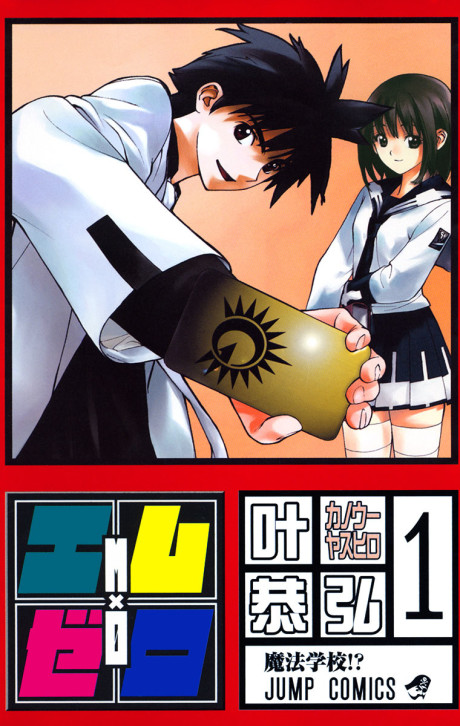

Taiga Kuzumi karakteri bir gün seika lisesine gitmek için bir sınava giriyor ve sınavda yaptığı bir hata sebebiyle sınavı geçemiyor. Sınavda ona gülen bir kız var ve Kuzumi de kendi yaptığı hatayı o kızın üzerine atıyor ve ikisi de bu yüzden birbirinden özür dilemek istiyor.
Kuzumi bir gün Seika lisesinin yanında dururken bir hoca gelip onu Seika lisesi öğrencisi sanıp içeri alıyor ama Kuzumi Seika lisesi öğrencisi değil. Hoca onu içeri aldığı için suçlu kabul ediliyor. Hocanın okuldan atılmaması için Kuzumi'nin okula transfer olması gerek ve ona altın kart verilmesi gerek. Macera da tam olarak burada başlıyor.
Belirli kartlar var ve bu kartlar kişinin büyü gücüne göre veriliyor. Bronc-Gümüş-altın gibi bir sıralamaya sahip. Normalde 1. öğrencileri bronz karta sahip olduğu için Kazumi'nin altın karta sahip olmöası onu okulda hem öğrenciler ve hem öğretmenler tarafından popüler yapıyor ama aslında sahip değil sadece hocanın atılmaması için uydurulmuş bir yalan. Neyse bu kartları geliştirmek için okulda etkinlikler, klup aktiviteleri veya sınav ve testlerde başarılı olman gerekiyor. Ne kadar başarılı olursan o kadar puan kazanıyorsun. Bir de MO kartı diye bir kart var. Normal öğrenciler buna sahip olamaz ama Kuzumi bir sebeb ile bun sahip oluyor bir yerden sonra. Bu kartta büyü yapma yetebeği kısmen yok denilebilir, var ama yok. Normalde her öğrencinin yapabildiği büyüler sınırlıyken mesela zor seviye, kolay seviye büyüler varken bu MO kartda bu yok. MO kart kullanıcısı, ne kadar çok puan kazanırsa o kadar fazla istediği şekilde büyü kullanabilir ama kullandığı zamanlar da kazandığı puanlar gidecek şekilde ayarlanmış. Yani puan=büyü puan yoksa büyü yok. Bir de Manga'nın sonlarına doğru öğrendiğimiz bir kart var, Kara kart(ismi buydu sanırsam). Bu kart öğretmenlere veya mezun olan öğrencilere veriliyor. Ve bunu istedğin yerde kullanabiliyorsun galiba. Bunu insanlara yardım et diye kullanman içön veriliyor sana. Kuzumi mezun ya da öğretmen olmasa dahi o kartı alıyor. Bir de Altın karta ulaşan kişilerin bir tane belirli dağa gidip bir tane dilek dileyebilme hakkı var, bizim aika da bunu istiyor.

Baya eğlenceli bir karakter. Okuması gerçekten eğlenceliydi ve okurken baya eğlendim. Komiik, eğlenceli birisiydi. Karakterin herhangi bir derin bir tarafı yok, bu bir sorun mu bilemedim. Çünkü manga da her karakterde bu şey var. Hiç bir karakterin bir derin tarafı yok, ufacık bile. Geçmişine değinilen çok az karakter var bunlarda sıradan şeyler, onlşarı derin yapan şeyler değil. Kuzumi karakteri Ana karakter olduğu için derin olması bekleniyor ama değil, hem de hiç. Derin olmamasıyla birlikte her hangi bir karakter gelişimi de sunmuyor güç haricinde. O yüzden hakkında konuşulacak çok şey var mı bilemedim.

Geçmişte annesi öldüğü için dilek hakkını annesini görmek için kullanmak isteyen biri ve bu yüzden altın karta sahip olmak istiyor. Peki oluyor mu onu göremiyoruz. Az çok derin bir geçmiş hikaye ve gelişim sunuyor ama mangaka bunu ciddiye almadığı için işlemiyor. Bu bir tercih olduğu için pek fazla diyecek bir şey yok. Bence tatlı bir karakterdi. Tek sorunum biraz odun ya sanki. Aşk işleriyle alakası yok zaten bu da kız ortaokulunda okuduğunda kaynaklı ama biraz romantizm konusunda gelişimlerini görebilirdik diye düşünüyorum. Onun dışı tatlı ve sevimli bir yüzü ve kişiliği var ve seriye eğlence kattığını söyleyebilirim.

Bence manga'da ki en derin karakter olabilir. Abisinden hep aşağıda kalmış bir karakter ve bu yüzden kendisine verilen değer de hep abisine göre az olmuş durumda. Bu yüzden de hep kendini eksik ve yetersiz hissetmiş bir karakter. Bence gayet derin bir arka plana sahip. Karakterin bazı yerlerde içşel çatışmalarını bile görüyoruz. Abisi olarak karşısında çıkan bir hologram görüyoruz ve onunla tartışıyor, bir nevi kendini kabullenme sahnesi. Bende güçlüyüm ben de iyiyim diye kendini kabulleniyor ve bu sevdiğim bir sahnelerden biri oldu manga içerisindeki. Onun dışında gene eğlenceli bir karakter bence. Her seri de olan sapık ve kızlar tarafında sevilmeyen bir karakter. Manga'ya eğlence katıyor mu, kesinlikle katıyor o yüzden gayet beğendiğim bir karakter oldu

Manga da o kadar ön planda olan bir karakter değildi. Arka planı olsun veya sahnelerdeki önemi olsun pek ben burdayım gibi hissettirmedi. Biraz geri planda kalmış bir karakter.

Belirli yerlerde ön plana çıkan ama daha sonradan tekrar geri plana atılan bir karakter. Sonlara doğru bir tane ilişki yapıyordu ve sonra pek görmüyorduk bunu. Eğlenceli bir karakterdi ama baya geri planda

Bence manga'da ki en iyi kadın karakter. Bunu derin bir geçmişse ve gelişime sahip olduğu için değil, daha çok ben bu tarz kadınlara biraz daha ilgi duyduğum için diyorum. Hem bu tarz kadınlara ilgi duymamla birlikte bence Manga'da ki değeri de biliniyor ve sahnelerde ve arc'larda güzel şekilde kullanılıyor. Tatlı kişiliği ve ana karakter ile olan ilkişkisi ile sevdiğim bir karakter oldu.

Sadece belirli güç sistemlerini veya bir olayı anlatmak için veya Kızı aika'yı erkeklerden korumak için ortaya çıkan bir karakter. Ara sıra Kuzumi'yi eğittiği de doğru olabilir. Bence az çıksa dahi gene eğlenceli bir karakterdi, yani ben beğendim

Normalde bu tarz peri benzerimsi karakterleri sevmem ve bana gereksiz gelir ama bunu sevdim. Hem Kuzumi ile olan ilişkisi hem eğlenceli kişiliği ile sevmeme sebeb oldu. Manga da olmasa eksikliğini hissettirecek bir karakter kendisi.
Olay örgüsü genellike komedi ve macera üzerine dayanıyor. Olay örgüsünde hiç ciddi bir konu veya durum barındırmıyor. Hep seni bir maceraya sokuyor veya bi aksiyon sahnesine veya komedi sahnesine ve tabiki de bunu sevdim. Yani böyle kafanı yormayacak tatlı,sakin ve eğlenceli bir manga'yı kim istemez ki? Hem de yaptığı şeyi de gayet iyi bir şekilde yapıyordu. Bu yüzden de kesinlikle bir üst kademeye taşıyan bir mnanga benim için. Sonda bi tekrara düşececek mi diye düşündüm ama tam olarak düşmedi diyebilirim veya bana o sıkıcı hissini vermedi. Genel olarak memnunum bu konuda.

Hem güzel hem başarısız bir final arc diyebilirim. Öncekilkle bazı konular sonuç bulmadı. Aika'nın annesini görmesi veya Kuzumi'nin Aika veya Mizuki olan ilişkisi gibi bazı konular sonuç bulmadı. Bir nevi yarım kalmış bir final diyebiliriz ama bazı sahneleri ile de beni baya sevdirtti kendini. Kuzumi'nin aika olan konuşma sahnesi veya Aika'nın gittiği sahne duygulandırmadı değil şimdi. Ama bir şeyler eksik gibi hissettirdi onu söyleyebilirim. Bir şeyler eksikti. O yüzden kötü bir kapanış diyemem gibi ama mükemmel bir kapanış da diyemem. Keşke biraz daha uzun olsaymış ve keşke daha kaoslu bir son veya daha uzun bir ayrılış içeren bir son olsaydı çünkü çok az bölüme sahip bir final arc oldu. Bu beklentilerimi biraz kırdı.
Sonuç olarak gayet eğlenceli bir mangaydı, olmasını istediğim şeyler tabi vardı ama olay örgüsü olsun karakterleri ve komedisi olsun bana güzel bir deneyim yaşatan bir manga oldu.
1- First Test Arc CH19-26 7.5/10
2- Class Matches Arc CH36-52 7.5/10
3- Final Arc CH94-99 7.4/10
4- Culture Festival arc CH67-79 7.4/10
5- The forbidden mountain Arc CH27-32 7.3/10
6- The island arc CH62-66 7.2/10
7- Council Magic Executive Committe CH11-CH18 7.2/10
8- Prologue arc CH1-7 7.1/10
9- Back To The Starting Point arc CH53-57 7.1/10
10- Summer Break arc CH58-61 7/10
11- Black MO Plate arc CH88-93 7/10
12- Second Test arc CH83-87 7/10
13- Before Class Matches arc CH33-35 6.9/10
14- Second Culturel Festival arc CH80-82 6.9/10
15- Violent Plate Demon arc CH8-CH10
1-Taiga Kuzumi
2-Naomi Mizuki
3-Kaoru Ise
4-Aika Hiiragi
5-Lucy
6-Kenjirou Hiiragi
7-Hayao Tsugawa
8-Michiyo Inui

Z cyklu anime warte uwagi - Kuzu no honkai
Gdybym miała wskazać anime, które zrobiło na mnie ogromne wrażenie w ostatnim czasie byłoby to Kuzu no honkai (na język, tfu, angielski Scum's Wish). Powiem szczerze po opisie tego animca myślałam, że to będzie pozycja w stylu Ukryta Prawda/Trudne Sprawy i że będę wybuchać śmiechem co 5 minut. Jednak zaskoczyłam się - anime mi się bardzo podobało i zaoferowało coś więcej niż tylko rozrywkę.
W skrócie fabuła koncentruje się na relacji typu Friends with Benefits dwójki nastolatków nieszczęśliwie zakochanych w swoich nauczycielach. Myśląc, że nie mają szans ze swoimi obiektami westchnień udają parę by zapełnić pustkę w swoim sercu.
To co niezwykle podobało mi się w tej produkcji to przedstawienie zła, degeneracji, swego rodzaju cieni, które kryją się w każdym z nas. Zwykle w dziełach popkultury zło przedstawiane jest zjawiskowo. Typowi 'źli ludzie' to charyzmatyczni inteligentni mordercy czy szalone borderkicie gotowe pociąć inną dziewczynę z zazdrości. Zarówno ich osobowości jak i czyny są w jakiś sposób porywające, niesamowite. W Kuzu no honkai ci 'źli' to zwykli ludzie - to ta szara myszka ze szkoły, to ta lubiana nauczycielka, to najlepsza przyjaciółka. Nie robią oni nic zjawiskowe, ale to w jaki sposób każdy ich czyn jest przedstawiony wywołuje ciarki i poczucie obrzydzenia. Twórcy wykorzystali bardzo dobry zabieg - wchodzimy w głowy bohaterów, słuchamy ich wewnętrznych monologów. Mówią oni kiedy ich uśmiech jest fałszywy, każda najzwyklejsza czynność, nawet ta pozornie dobra staje się okropnie odrzucająca gdy poznamy co kieruje bohaterem.
I’ve come to realize…how hollow I am on the inside - Hanabi Yasuraoka
She's so pretty, makes me want to mess her up - Mugi
Wewnętrzne monologi są ujęte w wyjątkowej oprawie artystycznej - oniryczne wizualia zachwycają, a towarzysząca im muzyka odbiera dech w piersiach. Anime ma jeden z najlepszych OST jakie kiedykolwiek słyszałam. Pianino i instrumenty skrzypkowe z nałożonym reverbem w kluczowych momentach dodają sceną jeszcze większy ładunek emocjalny. Artystycznie anime trzyma naprawdę wysoki poziom.
Jeśli szukacie dobrze zrobionej opowieści o 'zwykłych' ludziach i ich zagubieniu, samotności, skłonności do degeneracji to jest to idealna pozycja do obejrzenia. Anime funduje widzowi rollercoaster emocjonalny - od poczucia żenady i zniesmaczenia po pustkę i żal. Każdy z nas ma w sobie cień, ten zdolny do grzechu, demoralizacji - Kuzu no honkai artystycznie mierzy się z tym tematem i robi to naprawdę umiejętnie.
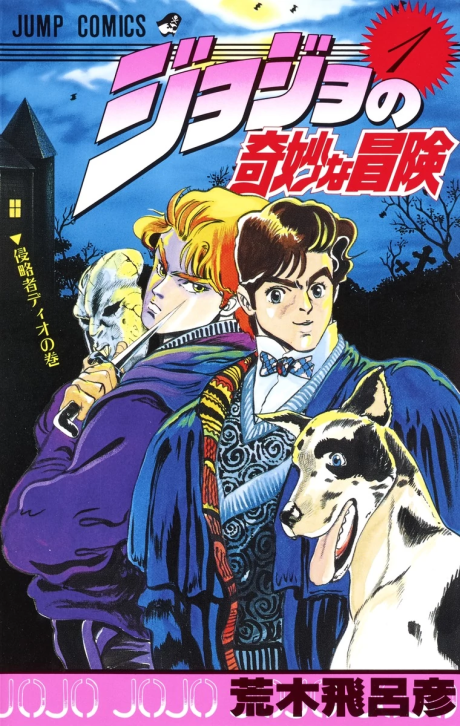
So, I've never read Phantom Blood. I did watch the anime, of course, when I watched parts 1 to 4 that summer. But my experience with JoJo manga began with part 5 to 8 (I haven't read JoJolands yet) but upon the mess that Netflix has done to Steel Ball Run and that I am watching Stone Ocean, I kinda wanted to give the manga a shot.
Phantom Blood, which can be seen as an introduction but also as a separate body of work, introduces the key conflict of the series: The Joestar family and the constant threat of Dio. In a typical good vs evil setting, it also ties both of these characters permanently. You could argue that it ties both of these families, but it doesn't quite fit what Dio is to the Joestars. Even if he never felt like a Joestar and always wanted to usurp Jonathan's place, he was adopted by the family, so he was technically always a son or a brother. He even acknowledges this to Jonathan before they both die. Their legacies of light and darkness clashing on each other can be considered both sides of one house to an extent (especially when the descendants are taken into consideration).
However, that would be going too far, so let's focus on part 1.
Jonathan Joestar - who we meet as a golden hearted (if naive) young man who is the son of a noble and fights even when he thinks he will lose because is the right thing to do, has his life changed when Dio Brando comes to live with him and his father. Dio has the goal to sabotage Jonathan in the eyes of his father and peers, and he almost succeeds. He says Jonathan is a rat, sabotages his cute romance with Erina, and he kills his dog. As Jonathan never gets to see him as a brother, but even more important, after Dio assaults Erina by kissing her without permission, and Jonathan punching him, blood gets splattered in the mask that was bought by Jonathan's deceased mother that belonged to the Aztecs, and this mask is the one that years later will turn Dio into a vampire.
We see that Dio and Jonathan grow closer in their young adulthood - but Jonathan never gets to fully trust him after their harsh start (understandable to say at least) and then discovers that Dio poisoned his father, and is on the way to do that wih Jonathan's father too. When he gets caught in the act, Dio uses the powers of the mask to become a vampire, who creates zombies that bid to his willing. In order to beat him, Jonathan learns hamon from a strange man called Zeppeli. Hamon as a power system is very limited, but it sets up to what it's meant to do in parts 1 and 2.
Anyway, Part 1 is not the best - is largely carried by Jonathan and Dio personalities, and well, Zeppelli and Speedwagon are cool but the rest of the cast is meh. Something that improves later, but the beginning of the series is really strong, if only because of it's dramatic nature of it. It's like a soap opera than then turns into zombies (it really doesn't make sense a vampire turns people into zombies, but we will let it slide). But I think it is a lot better than what people think, despite that it shows it's age at times. Phantom Blood is a reminder of how a mangaka can evolve with the times and considering how far they've come, it is always good to look back.