— — — —— — —
×
— —— —

If there's one thing that I can be certain on, it's that Fullmetal Alchemist 2003 still remains a staple of anime classics. As someone who grew up with this version despite preferring Brotherhood, give 2003 a chance and don't overlook its strong sense of character building and atmospheric tension.
This one's a little difficult to come to terms with because after Brotherhood I had originally written off the 2003 series even though I spent years of my youth fawning over this version's greatness before Brotherhood's announcement. Now here I am re-exploring the show and becoming reacquainted with its style and direction only to realize just how well this version stands up. Fullmetal Alchemist is faithful as it can get for a majority of the first little bit, but it does take some big liberties on extending on some seemingly menial plot points. We spend about two episodes in Liore, which is a far cry from the condensed one chapter/one episode version of the same story. Although it might "drag out", it hardly ever feels like that and instead it naturally introduces story tidbits to serve the greater plot. The same goes for a lot of other points from the original manga. Small character moments within FMA are rather abundant, and rather than focusing on the big overarching plot like in Brotherhood it makes the little moments count. There's so much they flesh out and build lots of depth to characters that might not have had the same in the original story, giving shining moments to people who might've not got a chance to. Because of this approach the series barely resembles its shonen routes and its especially true with its lack of shouty "chibi" humour. In fact a lot of the humour is less loud and "anime", but it still is there and it made me laugh a little more than most of Brotherhoods stuff that tried too hard to be manga. The Edward Elric short jokes still get played up a little too much even if the seriousness is balanced better. I might even consider this version targeted towards the Seinen crowd because it just lacks the adventurous nature of one. The seriousness that makes itself apparent is really welcomed, while at the same time having enough light-hearted moments to keep younger audiences interested. It knows when to have its silly moments and keep its serious ones The bigest surprise to me was seeing this as an adult and realizing just how dark the show got.
The series can be downright depressing and barely hopeful and most of the time the more nuanced themes were lost on me as a young kid. I will say that 2003 is not better, it's just chooses to focus on different subject matter, and it's ever present in its soundtrack and directional choices. Looking back I'm almost surprised the show managed to hook me on its slower story, and now I realize just how well thought out some of creative choices were. There's an overbearing brooding atmosphere that makes itself present in the first episode, and it truly is a macabre presentation of how the Elric brothers lost their bodies amongst many other horrific events that happen. These types of moments appear quite frequently, and it walks a fine line between being dark and being edgy for the sake of it. I completely forgot that it was implied that Rose was raped by soldiers and becomes a mute. At the time I didn't really know and now I realize how unnecessary it felt besides making the story dark for the sake of it. For the most part though, it vastly builds upon the story really improves stuff that might've been glossed over quickly. Even some of the camera angles and setups just leave enough to the imagination before "the big reveal" and those kinds of moments happen frequently even in its comedy. The build up to hard-hitting moments is done exceptionally well, and it's all due to a lot of the slow-moving segments that we're both nostalgic and relaxing. FMA 2003 uses its downtime to its advantage in order to build up deaths even moreso.
I will admit, (most, not all) the filler is really well done and does some fantastic worldbuilding. That said, most of the time it just seems distracting from Ed and Al's overall journey without adding anything to the quest to find the philosophers stone; most of them boiling down to pointless side-adventures where brothers are almost in reach of the Philosophers stone only for it to be a fake of some kind. The 4th episode I'm split on because it happens so early, but the one about the Thief and the Lupin III Zenigata clone got a laugh out of me back then, and again on my rewatch because I kind of forgot about it (people dislike it, personally I found it fun). A lot of the filler was hit or miss, but most served their purposes a "anime canon" for worldbuilding. I've complained about how fast the pacing over Brotherhood was in its first 13 episodes, but if we were to actually compare the two they actually line up pretty closely and they only really "pad" and stretch the original story beats. Upon the rewatch it actually made me realize how little the 2003 series had originally so they had to weave in random side stories until it was time to adapt "manga canon". The fake Elrics are actually a welcome addition even if it seems out of left field to add them into the story as contributors at all. The Tringham brother's added some depth to the story and I wish their characters were explored more because they seem so underutilized. Sure Brotherhood is adapted with less natural finesse, but it had plenty of ways to interweave every little thing. 2003 is about the same but manages to stretch out progression and does so it in a way that gradually builds up progression, and it's very apparent for the "manga canon" parts.
We haven't even got to the latter half in which the anime surpasses the anime point which is a completely different chimera altogether. I'm of the opinion that I enjoyed what they did because they planted some of the seed earlier to make the switch seamless. They did a fantastic job on just making story extensions where it was necessary and even did an adequate job at linking certain points. The series is so vastly different, and it doesn't take long to get a feel for how that is. In fact some episodes almost feel like one-shot stories set within the universe, and seemingly gives me an extra mile of plot to run with. It's super engaging because right off the bat it takes meticulous care to build up its background cast alongside the main groups. I still enjoy where it diverges however there were many points at which the story was a slog that made me wonder how the show even got to that point (see the entirety of Wrath's arc and character).
So with all said it isn't all perfect as some might claim. It's not "the masterpiece" that I would've considered it before Brotherhood existed, and I would say a lot of the acclaim feels like it just comes from how pretentious 2003's storytelling can get. Fullmetal Alchemist 2003 does a lot right, but it seemingly undermines some important plot elements that make the actual storyline flow. In fact there are so many moments they are in reach of, only to completely reject it for plots-sake. On top of this, important characters become less of a focus in the major story, and get sidelined in favour of anime-canon ones or completely reversing ones relevance as with Rose amongst many others. Barry the Chopper's kidnapping episode is cool because it's terrifying. Then when we get to Barry's Lab 5 appearance it completely dissolves his intimidating character as it sticks to the goofy manga personality equivalent. If Barry wasn't committed to a comedic role like in Brotherhood, then sure it would've worked. In the 2003 show it just seems so tonally off for Barry to be an actual threat and to see his role be mainly comedic only for him to switch back to be a bad guy. There are a lot of characters who get super underwhelming deaths, and this mainly happens for the manga-specific characters. Sure we get plenty of time spent on Hughes, and yet I'm still finding criticisms for the cast. Characters like Riza don't get much to shine, and to be honest neither does Winry. I appreciate the dynamic between Sheska and Winry because it's something that really isn't seen in the original material, but it came at the expense at making these characters a catalyst for the plot, and relegated them to side events. There were also odd plot points like State Alchemists' pocket watches being able to amplify alchemy; I still don't really get this at all, and Envy being the first son of Hoenheim; which felt like a last minute story point with no real build up at all.
So how about those anime original characters? Frank Archer I thought was "cool" as a kid but he just seems like a knockoff Kimblee who also happens to exist in this series but with barely any real staying power. Like really was there any point in shoving Kimblee aside for Archer? It's a cool concept by branching the two but they don't really do much with either in the grander plot. Kimblee remains fairly static as a character and Archer barely does anything memorable. Shou Tucker's return was ok for me originally and didn't really pose much of an issue in my first viewing, but I have so many problems now upon my rewatch. Seeing Tucker be this constant presence in the show trying to bring back Nina back just ruins the original moment for me. Tucker was already a monster of a character, and it doesn't make sense for him to try to redeem himself in any way regardless of how sad and pathetic he's become. Tucker's whispering got old pretty fast, and just became an annoyance more than anything, and I just really don't like the fact that he kept living only for him to mess things up again for the Elrics ; tricking Alphonse into using his Philosophers stone was face-palm inducing. Roy can come off as a smug prick despite his more lighter side that we see here and there, it somewhat works within his personality and backstory. In other cases, Roy can just be difficult to like. The same kind of hard-ass attitude exists with a lot of the main cast and it almost makes everyone constantly in unnecessary angst across the board like Izumi or even Alphonse at a point. Scar gets an interesting background story extension, and to be honest his death did feel earned here because they built him up really well. Hoenheim has no real relevance and his existence kind of fades out of relevance without doing anything vital in the story besides being a deadbeat dad. Hoenheim is just so scummy that it's no wonder Ed hates him, and I'm surprised he warmed up to him as much as he did by the end. Kimblee was so much more psychotic and fascinating but he got pushed aside for Frank Archer so that's a moot point. I could go on and on especially about Wrath and 2003-original characters but it's mainly up to opinion. A lot of the homunculus's back story is well done, and then some don't get really stories at all. There are great story moments birthed from 2003, and yet it just doesn't feel cohesive. On top of this a lot of homunculus's get undermined by changing the reason for their existence, especially when it comes to Dante; an antagonist whom I couldn't care less about. Before getting to experience the original storyline in Brotherhood, I was kind of behind the idea of having Homunculus's be failed human transmutations. It was a really interesting way of giving the Homunculus's backstories. However, it just doesn't work thematically because their names barely serve any symbolic purpose with Dante, and we don't really know why they're all named after the seven deadly sins. On top of this not all the Homunculus's get extensive backstories like Lust. Many other Homonculses barely get anything at all. Gluttony I can maybe understand, but Pride? Greed? Even Envy? In fact Envy being Hoenheim's son being a plot twist was introduced so late into the show that it felt out of nowhere. Then people like Wrath and Sloth already kind of have backstories through their characters which just don't have the same kind of interest for me since they have ties to familiar characters. There are so many online discussions that talk about how much more interesting the Homonculuses are here, and yet the only ones with a fresh backstory is Lust.
The seriousness of the plot was generally great, but a lot of moments were followed by some sad piano track and made into a melodramatic spectacle. It delves into heavy soap-opera territory and it can sometimes feel forced and contrived. It works to serve the smaller plots that are interwove with the grand one, however once you look at it from a distance it really kind of falls apart and seems rather aimless. Like equivalent exchange, FMA does the exact same in its choice to be expressive. Sure we got better character pieces and emotion, but it came at the cost of a cohesive story that knows exactly where and when it needs to be. 2003 is done really well since it's episodic with one-off tales that serve the characters, and that's ok too. Be aware it really never serves the overall story for the most part and instead feels more like an adventure than a specific journey. The overbearing drama was actually rather exhausting because it never took a chance to breathe, kick back, or just giving the viewer a chance to hype themselves up to watch the next episode.
The heavy focus on drama was arguably it's biggest strength and weakness that is more personal taste than anything. It was surprise I loved the show as much as I did, but at least know I can identify what I liked and what I didn't now and it's got a lot to do with how dreadful it can be to sit through at times. There's plenty of drop-off points where I stopped really caring despite my heavier investment in the characters, and was just along for the ride. Although both series' soundtracks are excellent at what they do for their respective series, the story though leaves a lot to be desired here. In all honesty the episodes leading up to the finale are a mixed bag, some are decent (the coup to fight back was fairly similar to the manga's, although not as epic), some have great plot points (the underground city was always a cool concept and so was the idea of the real world being a parallel universe), and some plots get resolved too quickly without much breathing room (Alphonse protecting Sloth because she used to be their mother was another instance of forced drama, and Sloth's death just happens without any real fanfare). To be fair, the whole idea of the underground city would be a lot more effective if it was foreshadowed or hinted early, and that kind of comes out of nowhere after the manga plot finishes up. I still like the idea of the city, I just never found that there was any groundwork for it to connect the story to the beginning (like a lot of story beats in Brotherhood do). Did I also mention the Elric brothers had so many chances to use the Philosopher stone but didn't because there was always forced drama in the way of it. Oh yeah one other thing. WHY THE HELL DID ARCHER COME BACK?. Archer's literal return felt phony and his 2nd death was more underwhelming than his first and then he just dies from a few bullets. Most of all it just felt like there was huge gaping hole where certain characters form the manga should've been and complete reversals of characters who never originally served the grander plot. I will still argue Brotherhood is just the complete package of satisfaction and balancing an extensive cast mainly because of its stronger source material that it can draw from. Admittedly 2003's ending I've come to like with Edward ending up in the real world, even though so many plot threads seemingly go unresolved with no huge payoff.
In the end though Fullmetal Alchemist is really well done, though my criticisms really come to light in the fact that it's a show that wallows in its drama and doesn't explore the depths of its plot. As an adult, the messages were a lot more clear to me and it still hooked me on its moments that took the characters under a magnifying glass and deconstructed them. I just find it extremely hard to say that I actually had "fun" with its story because it can be self-deprecating and pointless. There are moments of hope but they're so few and far between. There was plenty of enjoyment most of it was revisiting nostalgic moments, and then there are really weak story beats that happen later on that leave a sour taste in my mouth. It's ironic because as a kid the show was enthralling and deep, and now it just seems exhausting and inconsequential. It's not the all-time favourite I used to consider it and I'd be hard pressed to feel the need to rewatch it anytime soon because it seems so heavy handed. It's a show with its intro themes tied to my nostalgia, and a story that extends the limited stories of basic characters. Fullmetal Alchemist is something that needs to be experienced regardless of its many flaws because it brings a lot of interesting perspectives for newcomers and fans of Brotherhood alike.

I'm still of the opinion that this is one of my favourite anime shows out of both nostalgia and out of pure unadulterated enjoyment. Despite my perfect rating, upon my rewatch I did notice a lot about Brotherhood that stuck out much more than it did originally when I was younger, for better and (a little) for worse.
Fullmetal Alchemist Brotherhood is top-tier, but it goes without saying the comedy is downright intrusive even though it gets noticeably better later on. As someone who also grew up with the original 2003 show before jumping onto Brotherhood when it was released, preferring the manga-faithful adaption still to this day, it's easy to see that some comedic tones overshadow some of the dramatic tension. I'll probably end up watching 2003 again, but I know that it tended to handle dramatic moments a bit better because of the music, pacing or the direction that leaned more into seinen territory. I just have this hollow feeling for the first half of Brotherhood because it really feels extremely rushed to me even though it follows the manga very closely in terms of adaption rate. As a young pre-teen seeing all these events again I was happy that it was skipped over so I could get to "the good bits" that I had never seen before. At the time, I still wasn't sure what to make of how much "funnier" and "in your face" it tried to be. As an adult now I can see how much the first 13 episodes stick out like a sore thumb especially when it comes to the development of certain characters, or just my overall sentiment of how they went about it. The 2003 show had a lot more subtlety in its direction, and musical tracks that made it a much more depressing show, but it's mainly a difference of opinion than a divide. 2003 goes for the somber while Brotherhood goes for the bombastic. This is especially true for its comedic timing and musical score. Again it's mainly relegated to the first half of Brotherhood that misses some of that hard hitting punches that lack melancholy. That isn't to say Brotherhood isn't absent of any kind of heartbreaking and sentimental moments because there are plenty of those that pull at the heartstrings and got me teary-eyed. I just thought it was important to point out that the earlier preparation before certain events fail to have a any immediate lasting impact. That said, Nina and Hughes' subplot have a much greater effect on the overall story and character motivations, especially the Elric brothers, rather than being strictly to one-off character studies like in 03'. Keep in mind, 2003 remembers its dramatic moments, whereas Brotherhood reflects on them. There are also small little events and events that are omitted; I'm rather indifferent only because they didn't interrupt the story too much (Masked Man on the Island, Train Fight just to name a few). The first episode is filler which I did enjoy, but we could've gotten the same point across had we focused on canon-moments to the same effect without some of the needless foreshadowing too early. We also get an interlude recap episode, and it just had me asking why bother when we skipped smaller important moments like Yoki's introduction in Youswell. Yoki was a character that should have been introduced formally rather than through a meaningless flashback explanation and its a shame because a lot of people won't know the extent to which he redeems himself. I could go on and on about the changes and direction although it would mainly just sound like I'm complaining and nitpicking. I still stand that Brotherhood still has a much superior latter half compared to the 2003 show which has a super unsatisfying conclusion that was rather bittersweet instead of wholesome. Both series have their pros and cons though 2003 tended to its character moments with more grace. I'm still of the opinion that this is still the definitive version and one of my favourite anime shows out there.
Around 14-15 episode mark is when I noticed that Brotherhood picks up and learns to roll with its pacing and leaving just enough plot to reel me back with each passing episode. It's at this point we drop the story so far attitude, and get to the to be continued mentality that managed to keep me hooked. I noticed a huge leap in quality where FMA:B began to really spread it's wings and fly. I learned to re-love the series as it began slowly unraveling its mystery and learning to (more or less) time comedic moments better. FMA:B has such an expansive story and cast of characters that it's hard for me to dislike it really at all because all of it's parts are so strong, offbeat comedy and comparisons to 03' aside. Either way FMA:B and FMA are a huge part of my childhood and it's still one of those shows from then that stands up exceedingly well against every single anime I've seen since. It's a story that really speaks across all generations, has realistic characters that have depth, and is just an overall master craft at doing a fantasy adventure story in the most epic way possibly. Literally every major emotional beat hit even harder than it did before, and many of the lessons resonated to an even greater degree. What's seven more surprising was how introspective the series was about of philosophical concepts and exploring these underlying themes that had me scouring for online discussions about its symbolism. Realizing the poetic irony of the homunculus's deaths was beautiful. Watching it again only made me realized how well it builds its setting, but also its character chemistry and even the concept of alchemy. The series never has a dull moment, and it's something I can feel with how well structured the overall story is for hitting every beat. It's a dramatic fire that continued to burn after the show prepares to wrap up. Not even the finale, but the numerous episodes preceding that are filled with so many high-stakes moments and awe that it was truly a spectacle to behold. Of course, the ending was done perfectly too, and is a payoff that is so well deserved. Most of all, everything just falls into place and has conclusive arcs for everyone involved.
Everything just holds up well, story and especially the beautifully colourful animation that's background-worthy material. Brotherhood is a series that means so much to me, and it feels like yesterday (over a decade ago) that I was unpackaging the first season DVD eager to watch in the hotel at an anime convention not knowing what was in store for the rest of the show. I'm glad about this re-watch, and I still can't believe it's been 12 years since it's debut (even longer since I viewed the original series). Fullmetal Alchemist: Brotherhood is a damn masterpiece, and such a well crafted anime that explores so much within the span of its 64 episodes. Even to this day, nothing has ever topped this show for me, and its a testament to the quality of its story and cast that still speaks to me in my older age. What a journey. I can't wait to revisit it again in a few years.
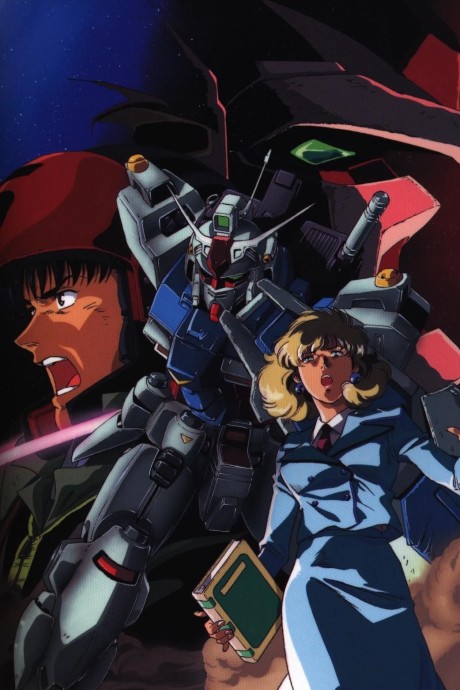
From the first opening minutes of Stardust Memory I was greeted to an all-to-familiar riff on the Top Gun Theme, and a great training sequence of Mobile Suit Pilots. I was looking forward to watching Stardust Memory, it has a fantastic soundtrack, great animation and some pule-pounding action sequences. It's old Gundam without any of the New Types, and a focus on the every day soldiers in the Federation Forces. Then we're finally introduce to our main protagonist Kou, a timid, shy, and frankly terrible pilot. On top of that the cast that we get acquainted with is, how do I put this? Horribly unlikable. Ho boy. The plot is the least of the show's concerns, but it is amongst one of them.
The series takes place between Gundam Zeta and the original as we get to know where the world is after the One-Year War, what the Zeon remnants are up to, and more importantly how the Titans were formed. Stardust Memory boasts interesting ideas that are never really lived up to. The directorial choices of characters and dramatic scenes are outright terrible. I don't often use this word lightly but cringe-inducing is how I would describe some of the scenes. For an anime that's actually newer than Gundam Zeta, it's odd for me to see such blatantly obnoxious cheeseball scenes that overshadow a lot of Stardust Memory's redeeming traits as a maturely thematic series. Anytime Kou screws up there are often these long scenes where it takes him a few minutes to even react to the most obvious things (including the whole try-hard romance with Nina), and it's not just because of his character. The director actually made decisions that weaken or portray Kou as this guy who's just slow on the uptake where there are huge pauses in between him thinking and him realizing what's literally in FRONT of him. Next we have Nina Purpleton, who at first I was fine with when she didn't have a thing for Kou. As the series progresses, or "degresses", Nina becomes one of the most infuriatingly annoying characters that never feels like she gets her comeuppance. A lot of the terrible decisions characters make are because of Nina. There are many moments of awkward conversations that had me scratching my head asking what Nina even sees in Kou, and vice versa. At least Top Gun had Tom Cruise as an ace pilot with some legitimately attractive qualities (no homo). The romance between Kou and Nina feels so contrived that you begin to even ask why it's went on as long as it has. Then we're hit with another plot revelation about Nina's past that is beyond disbelief and this is due to the directorial switch. Our antagonist/rival Gato is one of the more familiar Gundam characters, although there just isn't enough time with him to really establish him beyond the basic level of being an ace pilot for the bad guys. Monsha's blatant sexism that's played up for comedic relief wears out immediately after his introduction when it just becomes annoyingly obnoxious devolving into borderline sexual harassment. It could have been a critique on toxic masculinity in military culture but I don't think the series really ever dives deep into it's themes let alone it's story. What's even more baffling is that it's cast isn't entirely bad, we get people like Burning, Keith, Synapse and a few others that had me sticking around a little bit to see if things got any better. Their only problem is that they never go through any kind of character progression themselves, and have some fairly static personalities that are only there to push the plot forward. Kou fails a lot and barely deserves to be the protagonist, in fact I'd he's the Homer Simpson of Gundam pilots who keeps screwing up but somehow gets rewarded for it even when it costs people their lives.
Episode 6 was one of the most clunkily directed episodes that I had seen, and it was ever more apparent by the really weird placement of the ending song with a sequence that just did not fit the visuals, and it was the vocal version of the track (MAGIC). I noticed the audio mixing interfering with the dialogue that had me wondering what was even going on because I could not pay attention to the characters over the music blasted over top. The entire episode was meant to be dramatic, but ends up coming across as one of the corniest sequences I've ever seen in Gundam show, it reminded me of Take Your Breathe Away from Top Gun but with even more sexually confused vibes. Of course this isn't including the fact that Kou makes some questionable decisions that have me rolling my eyes as he tries to find his way in life. I hadn't even got to episode 7 yet which again seemingly ends on such a weird note where Nina is yelling out Kou's name after being saved in the most awkward manner possible. Every time I think of the end of episode 7 I facepalm knowing how overly melodramatic it was, t it felt like a pointless attempt at conflict. In fact the episodes when the crew finally get to Luna is one of the biggest slogs to get through, and you have to wonder how this is even possible for a series that spans only 13 episodes. There is just barely a shade of character progression as it just seems like the minor cast stays the same, while our main protagonist seemingly gets more schizophrenic as the series goes on with plenty of penance. Kou never feels like he gets a redemption of his character in the same vein as Camille who actually becomes a character you begin to actively root for. Stardust Memory barely has the sense to make me not wince at a few scenes that are handled with the least nuance possible rivaled only by the likes of its equivalent Top Gun.
Then the show completely switches gears when its director changes after the 7 episode mark, and it's a noticeable change of efforts spent on certain plot elements. But those who argue that it "got bad" after this point need to take a look at the Luna episodes because it shows that the bad seeds were planted moments before the switching of directors. To be honest I don't know how I continued with Stardust Memory at all, but I needed to get through it at least once to add some constructive criticisms amongst the love it seems to get. It wasn't the characters that kept me around that's for damn sure, and the plot kind of fizzled out of urgency halfway through before the end. In reality, I just wanted to see what happened by the end when the Titans from Zeta were formed. I kind of got satisfaction from that. Kind of. On second thought no. The whole reason for the Titans existence was handled terribly because it never felt like a natural focus, instead it was overshadowed mainly by the pointless love triangle and Nina's horrible decisions that put her in the same league as Jar Jar Binks from Star Wars. If you think about it hard enough you'll realize that Nina was indirectly responsible for why the Titans were formed...good lord. Having Nina be the catalyst was an awful way to fill in the backstory for the Titans because it meant that Zeon was actually less of a threat than her somehow. I'm going to spoil this right now because it's worth bringing up. Nina (almost) gets away with a colony drop in the finale because of a last minute backstory addition with our antagonist Gato where supposedly (off-screen) they used to date. At the very end of the series Kou is just somehow ok with all this? There's so much wrong with the writing of the main cast it hurts because its a show I so desperately wanted to love. Apparently they had room for last minute plot decisions, but can't find ways to show them on screen or just spend time fleshing out necessary story bits that go unanswered or exploring anything meaningful.
As for the rest of the show, I never found myself rewarded with much else for its self contained plot and characters. What's even more disheartening is we're never treated to moments that are as epic as its openings. Stardust Memory limps, trips, falls and stumbles as it tries to get to it's best story bits out there within it's small timeframe, yet it gets stuck pursuing the wrong ideas for most of the series. Stardust Memory misses the mark in it's potential that's squandered by it's directorial choices in episodes that become groan inducing and laughably bad at dialogue between characters that can't be patched with the sub or dub versions.
I get that this is supposed to fill in the gap between Zeta, and I know that many Gundam shows suffer from exposition dumps. It does offer insight in why the Titans were founded, but beyond that it never actively shows their ruthless rise to power as a militant force. I'm super disappointed with Stardust Memory, but maybe I set my expectations unbelievably high for something that's set within the UC timeline. I hyped myself up to watch it with some YouTube clips, and the soundtrack, but there's not much saving this one for me. It's actually quite heartbreaking to me as I had thought this series would become a favourite alongside the 08th MS Team, when in reality it's become one of my least favourite UC shows that makes me hesitant to give it a positive recommendation. I'm not saying that it's completely unwatchable because there are some scenes that are worth checking out, however I'd say that there are moments that become completely irrelevant by the end especially for our main cast that more or less remain static throughout the shows entirety. When you have a Gundam series that has you asking yourself "why am I still watching this" then maybe it's worth reconsidering its importance on the UC timeline. I can safely say that the show ranges from mediocre to bad territory because of the way the plot is executed and the little time it spends on developing meaningful relationships. It's fun as an homage to Top Gun, but if it's any constellation neither were really revered for their storytelling rather it was the action and music that people love to fondly look back on. Stardust Memory is loud, frankly quite dumb, and a semi-entertaining 90s anime schlock that I'm not keen on revisiting any time soon, if at all. 0083 is a one and done series that solely aims to fill in some of the stones that might've been left unturned by Zeta, and yet it never feels like it turns over the right stones for me to get a sense of fulfillment. In fact the epilogue to the show is so disconnected from the entire series that you could watch it separately without gaining or losing anything.
Much like Top Gun, this Stardust Memory's best parts are the action and soundtrack and not a whole lot else (let's be real here, they're both pieces of media that think they're too cool for school). The shoddy writing of 0083 never improved, and we never actually get to see Kou redeem himself as a character, and Nina Purpleton makes this show unbearable and cringe-inducing. Although the show itself isn't outright atrocious, the entire experience just gets held down by its piss-poor writing of characters, and heaps of undercooked plot development where you never get a reasonable explanation for a lot of it. Stardust Memory was extremely hard to enjoy because all of its bad parts were actively working against any of its redeeming traits. But, to its credit 0083 is exactly the kind of filler most long-running anime are treated to in their lifetimes, and should be treated as such.
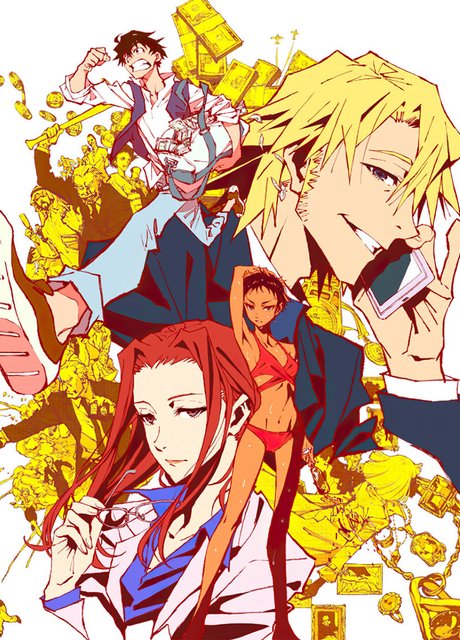
What happens when you take a little bit of Ocean's 11, Catch Me If You Can ,and a huge dose of The Brothers Bloom? Well to put it bluntly you get Great Pretender. I had almost settled on the show being perfect but there are some glaringly minor nitpicks that bring this shown down a notch. However, Great Pretender was the biggest and best anime surprise this year besides Dorohedoro.
It's a straightforward premise of the con-man, or in this case a group of con artists that's made exceptionally well with plenty of style and satisfaction within each character arc. These story arcs might be disguised as side adventures, but they really explore the backstory of each character of the team while also making it exceptionally entertaining in the process. It's as if each arc takes upon a series of "cons" a kin to what you'd get to watch in a heist movie. One may be favourable over the other, but that's what makes each arc so entertaining and accessible for everyone of varying tastes. The entire cast including the protagonist Edamura is just a breath of fresh air in a sea of generic, stoic main characters found in recent modern shows that pride themselves as viewer self-inserts more than anything. The amount of care establishing each personality, and how they form closer bonds makes each episode feel like it counts. I've never seen an animated cast with so much chemistry, every one just plays off each other so well making for some great faux-sophisticated double crosses. Even the stories themselves give each character a chance to shine in their actions and their backstory. Although each arc is usually limited to 4-6 episodes and it does so much with the time its given to feel like a complete journey that makes you think its part of a separate season itself. More importantly dividing each storyline into these smaller focused arcs means that they don't overstay their welcome, and can move on to the next part of the plot with ease. Even the visuals take on a character of their own as the plot hops from place to place to explore different cultures and sceneries that get their chance to shine.
Great Pretender just oozes style, flare, and gravitas that almost dances around with how passionate it is about itself. Even the soundtrack is absolutely fantastic, from the opening credits that really feel like the Catch me if you can sequence, to the spot-on use of Freddy Mercury's Great Pretender; loved the hidden reference to his cats. Even some of the vocal tracks really hit hard at the right time, and although certain music (such as the theme) can sometimes feel overused, it all comes together to create something truly fun to watch. Even many of the "cons" work out perfectly most of the time, even when they don't at first, and those who have seen movies like The Brothers Bloom will understand the bait-and-switch style of pacing. This is a show where you'll have to suspend your feelings of disbelief as you witness the failed con devolve into a con of cons. The whole idea of the show is to go along for the ride and just enjoy it, and although it can seem "clever", it's best not to think too hard about its plausibility because we're served the (almost) perfect anime on a silver platter.
The amount effort put into the show's visuals is stunning and desktop-material. The bold shot composition just screams perfection and a huge understanding of artistic composure that feels fully realized. Studio WIT still manages to find ways to impress me with their attention to detail as seen in high octane hits like Attack on Titan, Vinland Saga or Kabaneri of the Iron Fortress. Although they dropped their usual grittier art style of action shows like the ones mentioned above, don't let that fool you because there is some hard hitting emotional moments and a much darker side that you are guaranteed to choke up on as you learn more about the story. It's hard to find a show like this that feels so genuine about its presentation, and it absolutely knows when to laugh and when to take itself seriously.
HOWEVER we need to talk about something I mentioned earlier. Call it thematic theatrics for a show that double crosses your expectations at the last moment. Remember when I said you should suspend you're disbelief? Well do I have news for you who might've got frustrated with Great Pretenders lack of stakes. Sure, it's easy to accept each "con" as part of something that moves the plot along, and without getting into heavy spoilers, the latter half of the final arc blows it with some heavy emotional dissonance. I know the show prides itself as being sophisticated, but there is a huge difference between that and self-entitled arrogance that tries so hard to "fool" the viewer. Let's just say on the record that it absolutely fails to capture any meaningful emotion because the plot gets way too ahead of itself for its own good. I felt cheated of deserved emotional payoff, no wait, I was conned. It was the kind of expectational subversion that would make any Rian Johnson fan giddy with bewilderment. Great Pretender builds up a heap of emotions that then fall through the cracks because they can't commit to something legitimate in its finale that gave me a reason to keep caring. The emotional disconnect and suspension of disbelief kills the weightiness of the story as it tries its best to wrap up in a neat little box with just enough threads to be left open. The last two episode tried so hard to have its cake and eat it as it dances around with over-the-top theatrics that become more animeme than anime. If there was one thing Great Pretender did exceedingly well it was taking advantage of its setting to impress its viewer, but I was neither impressed nor satisfied with what they did for the final con or its resolution because they strayed so far from that. It's as if the writers said "look ma' no logic", and expected you to swallow this massive pill to forget its leaps in believability. At this point the story stock market just crashed and I lost all my emotional investments right then and there. The show could've forgot a lot of the previous cons in favour of pursuing a cohesive finish, but I'd be lying in saying I didn't feel robbed of an explanation that didn't feel pretentious. Every little plot detail doesn't have to connect with Edamura's life to be conclusive, in fact shoehorning every minor detail at the last moment kills a lot of my nostalgic goodwill towards the ending. The show isn't perfect even as is, however it doesn't detract from the enjoyment I had despite becoming an emotionally battered viewer. I love it, but I really don't know if I want a second season because of its consistent use of a plot-driven safety net for its characters. This is a one-and-done plot in the best possible way that almost could've been perfection had they stuck to it being one series.
Great Pretender is not talked about enough, and it's available right now on Netflix. I'm surprised a show of this caliber is getting so little attention, and I'd say it's safe to say its sorely underrated. This might have been anime of the year for me if it hadn't jumped the shark. With shallow low-brow shows like Uzaki-chan wants to hang out (ugh we see these kinds of show every year, don't get me started), it's nice to know that the industry still has enough passion and originality to really knock it out of the park with a charming show such as this. Besides the ending being a cop-out, Great Pretender was such a fun ride all the way through. This is a show that deserves all the praise and enjoyment it can muster, and it will most certainly be re-watched in the years to come.
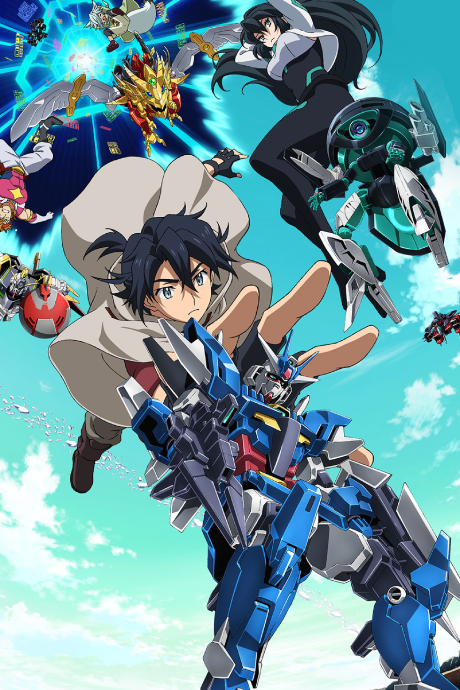
I wasn't expecting much from any follow up of Build Fighters. I had already heard that Try, and the original Divers were failed attempts to recapture the magic of the original. So the next thing I thought to do was skip ahead to the next best thing. Could Re:RISE be the show to stand above its mediocre follow-ups? It certainly does, but it takes far too long for the show to become comfortable telling its own unique story.
I'm sure many are super familiar with the isekai genre as it pertains to MMO's. Sword Art Online started the whole fad in 2012 and plenty of anime are (still) actively attempting to dethrone it, despite it's divided quality. Re: RISE uses this virtual space format to feature Mobile Suits in, but nothing ever feels fully realized in its medium. Sure, Gundams were always a tool for warfare, but when you're given lots of creative freedom to go nuts, why is does Re: RISE to play it so safe with its world-building? It took me a while before I finally was endeared by the anthropomorphic dog people, especially Freddie who I began to adore. My main issue is why have half-cat people like Parviz? The thing that comes to mind is that its to pander to the Otaku crowd, and its a seriously lazy attempt to really expand the number of sci-fi possibilities. Sure it's representative of many Eastern MMOs that have this like Final Fantasy XIV, TERA, AION etc, except I can't help but think about the unexplored potential to come up with something more creative. Hell, even aliens or elves would've sufficed. Besides that, the other huge thing is that many of the usual gamified elements of an MMO are hardly there, say for a few segways that act as transitions to their next mission. This is where SAO does the game thing right by constantly reminding the viewer that they're playing a game through small UI elements like an inventory, XP bar, and the dialogue boxes. When you have a character like Kazami constantly reiterating that they're watching a cutscene, it just detracts from the moment that I was originally invested in. the least the creators could've done is add some letterboxing whenever the NPCs were talking in a dialogue-heavy segment or thrown us a bone with a dialogue box of choice. Having characters establish that they're a game through exposition is just lazy world-building that makes it all the less memorable, and has me question a lot of things. I guess they're driving home that the fact that these NPCs are supposed to feel like real characters for later on though. Ironically the most real part of the show was that it was a VR game without a story that focused mainly around small skirmishes, which is something many Early Access VRMMO titles are dealing with right now. A lot of titles are focusing on perfecting their gameplay base and then gradually rolling out a proper story, and this is one of the things the show does accurately. Sorry for the side tangent, I just had to get that out there. Basically the characters within Build Divers become beta testers for a larger more expansive experience for Gunpla Battle Nexus Online. If there one gaming thing they did get right it's how similar it mimics the current VR landscape of testing a game with very minimal features where it starts to show off its potential later on; which almost seems like a metaphor for this first half. Was I just we just beta viewer watching some filler episodes while the "developers" began writing an actual plot in the background? Just something to think about during your viewing; was it intentional or not?
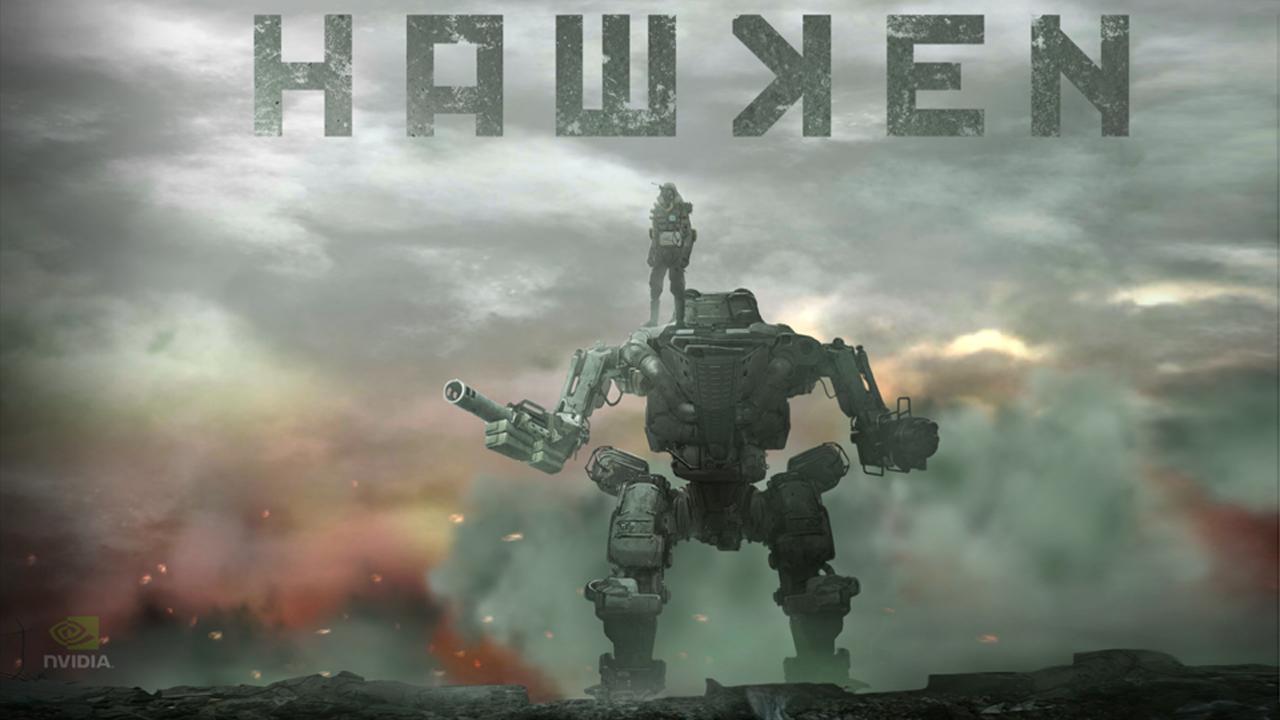 R.I.P. HAWKEN PC or any chance of VR support
 In all seriousness though, there are just too many missed opportunities for the creators to do anything new for the MMO anime genre or even a Gundam spinoff. I'm not a fan of the dragon Mobile Suit piloted by Parviz because it looks so distant from a Mobile Suit, reminding me of a Bakugan toy. It might be a small complaint about aesthetics, but there are other examples like Mobile Doll May that looks like a character from Expelled from Paradise where you could argue against it being a Mobile Suit at all. Even May's design is super uninspired in that regard, and the same could be said for a majority of our main cast. We couldn't have got them dressed in familiar garb donned from familiar characters from the Gundam series? It's weird to me that they limit the fanservice so much where it seems like background dressing instead of a fun jab at the Gundam legacy. It makes me wonder why they didn't give our protagonists more standout garb to wear that's more in sync with something from its own genre, besides looking like Mikazuki Augus from Iron-Blooded Orphans. Given that they're in an MMO I just don't get why they wouldn't have small nods to other series with our main cast. I would've been super-okay if they had modified some of the uniforms of past Gundam pilots. Hell, it doesn't even feel like any of the characters themselves are super-fans of the series either, just gamers and Gunpla-only builders. On the surface, they barely even mention Gundam besides the obvious points that they're Mobile Suits. A lot of the actual Gundam fanservice is underutilized as it seems to just exist without any context besides being absolutely basic, at least compared to the original Build Fighters. I recall Kazami saying in an episode that "this was nothing like Gundam" which made me scoff. I had no clue if that joke was ironic or not, but it did get me thinking. Nothing that appeared on screen really as fanservice had me hyped, a lot of the cool nods felt almost felt like they were checking off a box to include at least one Gundam reference per episode. Many of the fan specific jokes weren't very layered at all nor did they satisfy any itch as a Gundam fan. Many of the cool on-screen jokes are just there to exist for a quick "I saw (reference) from (Gundam series)" before cutting to the main shot.
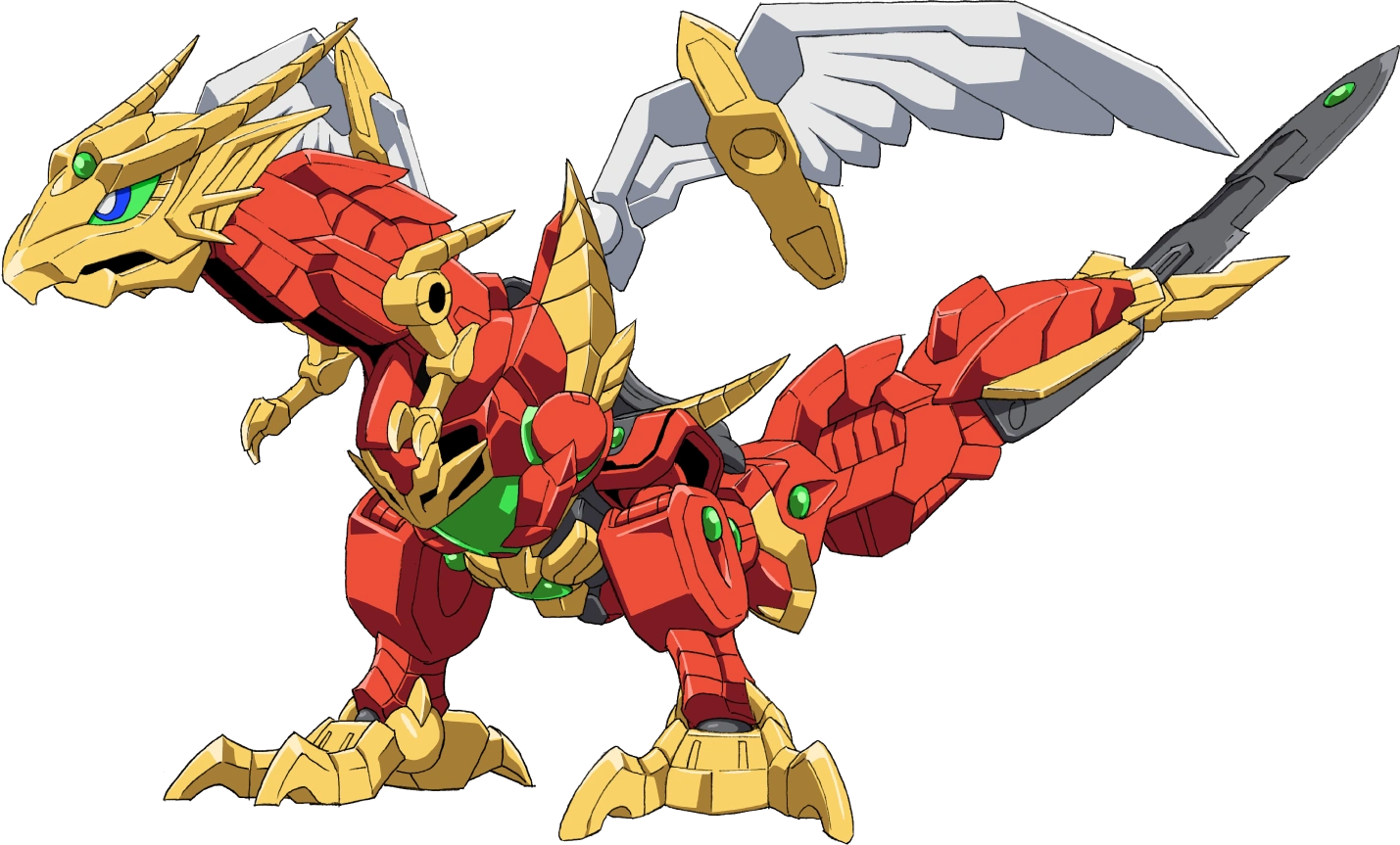 If you told people this was a Bakugan, they'd probably believe you. In fact, I still can't believe it's not one
The biggest glaring issue during my watch of the first half of Re:RISE was that the characters just weren't compelling from the get-go. However, the biggest surprise to me was that they receive actual development around episode 6 where I was actually starting to give a damn. At first, Hirito seemed like the standard overly cool OP protagonist, who reminded me of Kirito. During Hirito's backstory episode we come to find out why he's changed and acts the way he does now I started to see him as an actual human. Hiroto's personality even differs from the one inside the VRMMO space and his real-life that makes sense thematically. In a way, Hirito almost feels like the anti-Kirito (SAO) because of how flawed he is. As soon as Hirito openly admits that he is incapable of achieving his goals alone to his (online) friends, it threw me for a loop because I wasn't expecting him to be written like that. I found myself relating Hirito quite a bit, more than I'd like to admit, as he exemplified traits that were quite similar to mine. I was finally given a reason to sympathize with the stoic character beyond their power levels, and Hirito is a prime example of this inside and outside the game. This whole idea of flawed characters is something I don't often see in Isekai protagonists as they usually aim to play up the usual power fantasy for nerds. Hirito was a breath of fresh air from the usual mary sues that usually overshadow any meaningful development that I'm accustomed to in many Isekai titles. For as overly loud as Kazami can be, his plot focused episode really stuck with me and I started to really jive with his character after that; his character reminds me of Ryuji from Persona 5. Parviz was the same too, who at first was very shy and timid, but having Hirito confront him about his issues really added to both of their character dynamics. May is the stereotypical cold, calculated female with dark hair, but because of spoilers, I won't go into why I can, somewhat, make an exception to this. I'm just glad we have a mature, human character like Hirito to balance the usual overpowered types that plague MMO anime. In fact the whole cast really begins to show their true colours as you progress further along the series that almost seem like it refutes their cliche archetype presentation.
 It's literally just Mikazuki and Atra...but I'm somehow ok with this
It's a real shame that the show doesn't begin showing off its well-rounded cast until later on, especially way after the 3-episode mark for people who have dropped it. As for the production value, the presentation is fairly adequate. There's a lot of good moments where the music does pick up, I just never found myself intensely staring at my screen as I did in Build Fighters. There's never a breathtaking moment nor is there a Mr. Ral that has me cheering on the sidelines for the group. I mean all of this is a given since the original director and composer went off to work on My Hero Academia instead of more Build Fighters sequels. Many of the pulse-pounding action segments don't start happening until the first season is halfway done when you actually start to feel the weight of the character conflicts, and it was especially true for their back story episodes as well. There is one particularly familiar rock track I am a fan of, and that often appears during emotional moments that had me rooting for the cast, but it's far and few between. There are a lot of reused scenes for transformation segments, and I noticed a lot of smaller establishing shots that were repeated in a few episodes.
The first batch of episodes are easily forgettable side-adventures that don't really amount to much. They feel like wasted time as the show goes on. Despite watching them quite recently, I'm finding it really difficult to remember what happened in them because of how insignificant they were to the overall story. There are some "modern-day" developments with Hirito and Hinata, who I ship fondly, that kept me wanting to back in with each passing episode. Re: RISE manages to balance its two worlds fairly well where it's not jarring to switch between the two like it would be in something like an Assassin's Creed game. There are some very interesting elements to the real-life characters and their virtual counterparts as you come to learn more about each. The character-driven episodes with the backstories were well done and subverted what I was expecting from an anime like this. The show definitely begins hitting its proper strides near the end as it throws you for a loop. Re: RISE had won me over as the plot began to kick into overdrive alongside my interest in the story. I just wish it wasn't so late into the game (pun intended) when many have disregarded the series. As a whole, I'm extremely lukewarm about the first half of Re: RISE where I just found the characters better handled than everything else about the actual show. I just wish it didn't pick up the slack so late because I find that there are plenty of redeemable elements of Re: RISE that shouldn't go unmissed. If there's one thing I can say confidently, it's that the show has me completely on board for what's to come next in the second half, so they're doing something right in keeping my attention.
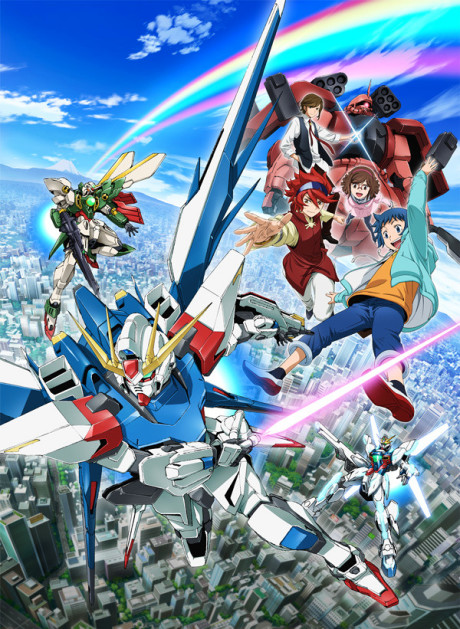
I was not expecting this show to be any good. I legitimately thought it was going to be boring corporate schlock, crapped out of Sunrise, but I was proven so wrong and I'm glad I was. The entirety of Gundam Build Fighters is so honest in what it wants to be that it's a miracle that it even turned out the way it did. Sure it might be some ploy to sell Gunpla, but it's a damn elegant one at that. There are so many hidden references and little nods to a bunch of different Gundam series that it's hard not to lose your mind as you fanboy/girl over the tiniest things. I laughed my ass off seeing the Nether Gundam referenced, it didn't even have to explain a thing for me to get the joke, I got it. Hell, even Mr. Ral being a character was a treat in of itself. Kid's will be entertained by this show, Gundam fans will be entranced by its copious amounts of Gundam fanservice that comes from the heart. Gundam fans will appreciate the effort put into this show as they see even the most obscure mobile suits make their appearances. Even just seeing various mobile suits fighting got me feeling like a little kid giddy with excitement. I kept smiling knowing the series that each mobile suit was from and liked seeing how much of a super fan the protagonist was. It was even great to witness certain characters select the kinds of mobile suits to use in battle, acting like an extension of their personality that just kind of works. It takes a unique spin on the usual battle anime by using plavsky particles as a way to use Gunpla as holograms. Besides being an on-the-nose reference to Minovsky particles and follow-up incarnations, it just gives the show some fantastical depth that doesn't really need to be explained for kids or fans; doing so would ruin the mysticism of it all. There's just so much that clicked with me during my viewing. The fights, while not overly detailed, was like watching a Gundamized version of Super Smash Bros.. I can't emphasize enough how great the callbacks are, especially for hardcore fans that can decipher every little detail that the average viewer might not pick up on.
Let's also take a moment to talk about the blood-pumping soundtrack too. Yuki "You Say Run" Hayashi does a stellar job at making dramatic moments feel intense. Even if it might be a "show for kids", Hayashi breathes life into the battles with plenty of energy. I'm literally just watching two plastic Gunplas fight it out, and yet I'm here getting chills watching it. There's a few stand out tracks that really play with some different genres that kind of meld together. I haven't even talked about the openings, and endings, which I never skipped. Speaking of My Hero Academia though, it's the same director, and it definitely shows in the superb action sequences, especially when the Gundams seem like a 1:1 recreation of All Might moves. Ironic considering this show pre-dated the now widely acclaimed hero series. Since the mobile suits have no real pilots with true consequences, they were able to go batshit crazy with the combat scenes. It's just an all-around solid package in the production department. The animation could've shined more for the more slice of life scenes, but realistically I don't think it needs to because it helps juxtapose the insane action. It still effectively portrays the Gundam fanbase from all walks of life without getting too complex. Making it overly animated would only detract from its simplistic storytelling and relaxed energy of the everyday scenes. I get so many vibes from the various battle shows I watched as a kid, and the overall structure does a great job at bringing me back to the simpler days of my youth watching shows like Yu-Gi-Oh (it has quite a few similarities since both series feature a high-profile character from another world who helps the protagonist fight battles).
The main thing, as an older fan, is that Build Fighters does tend to step into anime cliche territory at times. Certain characters are very rudimentary, lacking nuances of proper characters that other series might have. It's something that can be forgiven as this show's main target demographic isn't people like me, at least immediately. It's geared more towards younger fans, so some leeway is necessary for my criticisms. Of course, that's not to say many of them aren't charming because they're all special in their own way. The narrative can get a little bit lost sometimes, and it doesn't always justify its choices with the most rational decisions. This means that the pacing can meander it plots a route for its protagonist, only for them to get sidetracked with irrelevant, albeit entertaining side-adventures. Some of these stories do somewhat flesh out the minor character's history, just a little, with certain ones getting either half or a full episode dedicated to them. It works well, but sometimes it can feel a bit aimless. For example, Mao's half-episode felt necessary, it just should have been written to center around the whole Build Fighting and not martial arts; just my two cents. Sure many of the characters feel very surface level, juvenile even, but they get adequate development over the course of the show.
The biggest elephant in the room is the fact that the dub of this series is absolutely horrendous. Fandub levels of bad. I thought I had stumbled upon one, and didn't realize I was watching an official version on GundamInfo's channel. Big letdown, and it does upset me that the dubbing which wasn't handled with the same care. If you watch Build Fighters watch it subbed, the voices are so much better. I'm not usually one to be the sub elitist, but here I'll make an exception. The actors barely put emotion or enunciation in their character portrayals. Save yourself the trouble of a dub that has no standards. I don't know how they even allowed this one to receive the dub it did, it's an outrage for a show like this, and kids should not be subjected to it. Good kids show dubs can and do exist already. With all that said, this is a great series for the younger crowds regardless. Really the only thing to make me cringe was the dub, so really as a kids show, it's damn solid in its presentation. Build Fighters becomes one big tournament arc in the latter half, which isn't necessarily a bad thing as it begins to hit it's stride later on. Of course, this big end-tournament arc, while entertaining, could have had more of a build-up (see what I did there), in order for characters to really grow and train properly. With that said the final few episode battles were very adrenaline-inducing. If there's anyone who doubts that the show never reaches a peak upon ones initial viewing, then I strongly urge you to stick with this show until the very end.
If you like anime that's in the same ballpark as Yu-Gi-Oh, then you're in for a wild ride. Build Fighters does make me envious because we rarely get any kind of series with passion behind them in recent years when it comes to shows based games or brands. In fact, I'm a little surprised actually that Bandai didn't jump on the whole toys-to-life trend that was a huge thing back when this show was airing because it works so thematically with the universe, plus I would've been completely on board with that idea. Build Fighters will remind you why you love Gundam in the first place. It's not going to wow you with its thrilling plot or depress you by (constantly) killing loved or hated characters. That's not the point. In fact, it's not meant to even be gripping either. It's just pure unadulterated entertainment for fans of Gundam. Gundam Build Fighters treats its audience to a spectacle that strays far away from being a petty cash-grab. It's a celebration of what I, and I'm sure many other Gundam fans will adore. Build Fighters has so much intricate care put into the entire show it's hard not to love it for just existing. I highly recommend this series. It's the perfect distraction from the usual mainline and AU spinoffs. It's so enjoyable in fact that you can just flip on an episode whenever Gundam decides to depress you with its overly serious presentation. It's been a while since I've seen anime so unafraid of acknowledging how fun it can be, and there's a lot of unexplainable nostalgia for a show I literally just finished. The people working on this Build Fighters know their audience well enough to have me caring long after my viewing was finished. This is aimed to be a timeless Gundam piece that has enough lightheadedness and magic that will be enjoyed across the generations. Build Fighters isn't a shameless toy-focused show, it's an open love letter to fans of Gundam where the merchandise is just the added benefit.
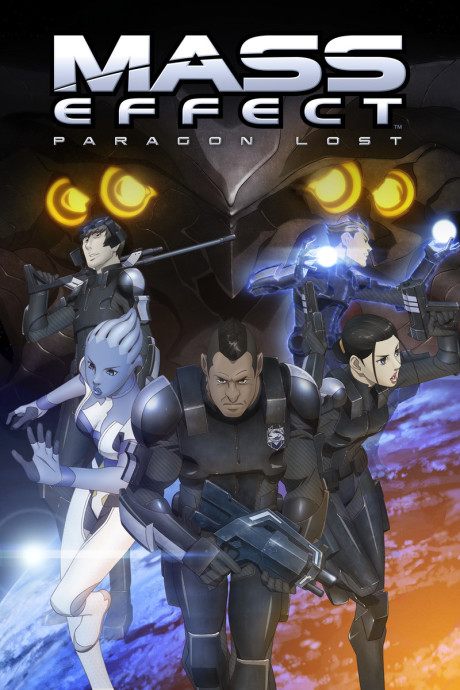
Don't hand me garbage and tell me it's Mass Effect
Mass Effect: Paragon Lost initially promises to be a delightful addition to the Mass Effect universe, but it ultimately falls flat, delivering a lackluster experience that's more mush than substance. The film attempts to cater to die-hard fans, but instead, it feels like an uninspired meal that left me lamenting not tears of joy, but tears of sorrow.
While I was never the biggest fan of James Vega from Mass Effect 3, you might want to brace yourself for this review. Vega was introduced too late in the trilogy to make a significant impact, and his character development was lacking. To genuinely connect with him would require more backstory or additional content, such as DLC, to flesh out his narrative. In contrast, characters like Garrus had three games to develop a rich, interconnected journey. The compromise here is to create an animated film to expand Vega's backstory through transmedia, a strategy that worked so well for Halo 5: Guardians, right? So, what sets Paragon Lost apart? Stop me if you’ve heard this one before: a group of space travelers in the Mass Effect universe tackles a problem at a colony. The plot feels like a side quest that should have been part of the game as DLC. Fans of the series will recognize this as a tired formula, and for newcomers, it's anything but revolutionary. Despite its potential, Paragon Lost doesn't offer anything new or noteworthy, and it barely scratches the surface of Vega's character or the broader universe. Instead of enriching the Mass Effect lore, it simply adds to the filler content, presenting a journey from point A to point B without any substantial plot twists or thoughtful world-building. The film’s grandiose adventure is nothing more than uninspired sci-fi schlock, a generic anime that fails to capture what makes Mass Effect special.
The film primarily focuses on Vega's early days as an Alliance marine, involving him and his team in a missing person case at a colony. The standard love interest and the "twist" involving the Collectors’ abductions contribute to a plot that is predictable and uninspiring. There’s nothing particularly exciting or original here; it's a narrative we've seen before and done better.
Production I.G., known for its work on Ghost in the Shell S.A.C., has unfortunately not lived up to its reputation with Paragon Lost. Despite their past successes, including Moribito and Psycho-Pass, the animation in this film is lifeless and generic. The film's visual style appears to have been produced on autopilot, lacking any distinctiveness or flair. The film's overall look could easily be mistaken for something from the early 2000s, with a grainy filter added for good measure. The collaboration between Funimation and Production I.G. seems to have lacked clear direction. Imagine a conversation like this:
Funimation: Help us make an anime based on the hit video game Mass Effect, okay? Bye? Oh, and we have a few writers already, so don’t worry—this will be a great collaboration! Production I.G.: K...cool, we’ll get right on it. Wait, when do you need this? We might be busy with other projects right now. We’ll get to Paragon Lost though, just hang tight.
The lack of direction and transparency between the two companies likely contributed to the film's downfall. In comparison, 20th Century Fox provided Creative Assembly with three terabytes of concept art for the Aliens movie, ensuring they had ample material to work with. In contrast, Paragon Lost lacks the same level of commitment and effort.
The animation, unfortunately, has no redeeming qualities. If you put a grainy filter over the film and claimed it was from the 2000s, I'd believe it. The art direction is bland and uninspired. Even the plot seems unsure of its identity, pretending not to disrupt the continuity of the Mass Effect universe while simultaneously disregarding established lore.
Production I.G. has previously delivered high-quality work with series like Ghost in the Shell and Blood+, so it’s perplexing that Paragon Lost appears to be a project that was handled with less care. The animation quality is reminiscent of the most generic anime shows from the 2010s. The soundtrack, while attempting to echo the electronic vibes of Mass Effect 3, feels forced and incongruent with the film's overall tone.
It’s worth noting that Freddie Prinze Jr. was the only actor to reprise his role from the game. The recasting of Captain Anderson and Admiral Hackett was noticeable and disruptive. While these roles are relatively minor, true fans will find the voice replacements jarring, breaking the immersion and consistency expected from the series.
The characters in the film are predictable and uninspired. The squad follows the typical “new meat” trope—fresh recruits who have undergone training but lack combat experience. None of the characters leave a lasting impression, and Vega’s love interest feels shoehorned into the plot. This attempt at creating an emotional connection falls flat, as it seems like a forced inclusion rather than an organic part of the story. The film’s potential to explore Vega’s history is squandered, resulting in a product that feels more like an insult than an homage to the franchise.
In retrospect, Paragon Lost seems like a missed opportunity. With the involvement of Funimation, Production I.G., and even writers from Star Wars: The Clone Wars, there was a chance to create something meaningful. However, the result is far from ambitious. The film is a forgettable piece of fanfiction that does a disservice to the Mass Effect brand. It’s disheartening to see such talent wasted on a project that could have been better integrated into the game itself. A more fitting approach might have been to develop it as interactive DLC, which could have redeemed the story and characters.
Fans who enjoy this film likely have either a lower standard for anime, haven’t watched enough to make informed comparisons, or enjoy it ironically, though it’s hard to see why given the lack of redeeming features.
No matter how others might praise it, Paragon Lost is the most generic addition to the Mass Effect universe. It was a wasted opportunity that should never have progressed past the concept stage. In my view, it would have been better suited as a comic, as it fails to take advantage of the anime format. It’s not even worth recommending as a standalone film for non-fans—it’s simply devoid of substance. Everyone should give this film a hard pass. The only redeeming aspect was observing the development process, which, sadly, didn’t result in a worthwhile final product. Avoid watching or supporting this train wreck; if you must, at least get the Blu-ray for the DLC and sticker, as that might offer more value than the film itself. Paragon Lost fails to resonate with fans and is unlikely to make an impression on anyone else.
Paragon Lost? More like Paragon Lost my interest. I'll see myself out now.
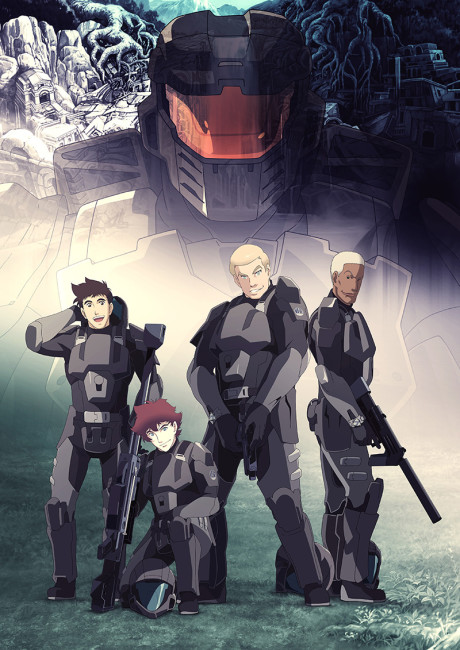
Halo Legends marked one of my initial forays into the Halo universe, although my experience with the series was limited to a few segments of the original game and its third installment. The idea of merging this iconic video game with anime was intriguing, and while the anthology series had promise, its execution fell short of expectations. As an anthology, it resembles works like Animatrix and Neo Tokyo, with varying impacts based on individual expectations.
Origins
The first episode, Origins, attempts to introduce newcomers to Halo's expansive lore by covering the Forerunners, the Flood, and the epic conflicts that shaped the series. However, for those unfamiliar with the universe, the presentation is both muddled and overwhelming. Even as someone well-versed in the games, I found the episode's effort to convey complex lore through static narration and limited animation more confusing than enlightening. While the animation quality was adequate, the storytelling fell short in engaging or educating effectively.
The Duel
The Duel, directed by Mamoru Oshii and animated by Production I.G., centers on the Arbiter’s internal struggle with the Covenant’s religious doctrine. Despite the impressive pedigree behind this project, the episode didn’t quite land for me. The watercolor animation style was visually striking but ultimately lacked engagement. The premise, an homage to samurai movies, was intriguing but didn’t resonate deeply, leaving the episode feeling dull and skippable.
Homecoming
Homecoming emerges as one of the anthology’s highlights. This dark and compelling story follows a girl who, after being abducted into the Spartan program, discovers that a doppelgänger has replaced her. The animation, once again handled by Production I.G., was impressive, and the narrative was gripping. However, like other entries, it didn’t delve deeply into Halo lore, with the books offering a richer exploration of the universe.
Odd One Out
Odd One Out stands out as the weakest installment. Its blend of Dragon Ball Z-style action with Halo elements felt out of place and almost parodic. This episode contributed little to the overarching Halo narrative and felt more like an oddity than a meaningful addition to the series.
Prototype
Prototype depicts the early Spartan-II operations as marines defend a facility from the Covenant. Although action-packed, it lacked substance and failed to provide new insights or depth, serving more as a visual spectacle than a meaningful story.
The Babysitter
The Babysitter is arguably the best episode in Halo Legends. It excellently portrays the tension between ODSTs and Spartans, featuring a unique animation style that resonates well. It also includes subtle details that fans of the series will appreciate, making it a standout segment in the anthology.
The Package
The final episode, The Package, is visually impressive but narratively thin. While its style is enjoyable, the story is simplistic and does not contribute much beyond aesthetic appeal. This episode highlights the series' tendency toward style over substance.
Overall, Halo Legends offers an entertaining viewing experience for established fans of the franchise. However, it falls short for those seeking a deeper understanding of the Halo universe. The series provides a unique anime perspective on the franchise, but the inconsistent quality of episodes and limited lore expansion make it more of a novelty for fans rather than an essential addition to the Halo canon. Ironically, the most memorable part of the collection for me was the teaser trailer for Halo: Reach that preceded the anthology, reminding me of the simpler times when I first committed to the Halo series.
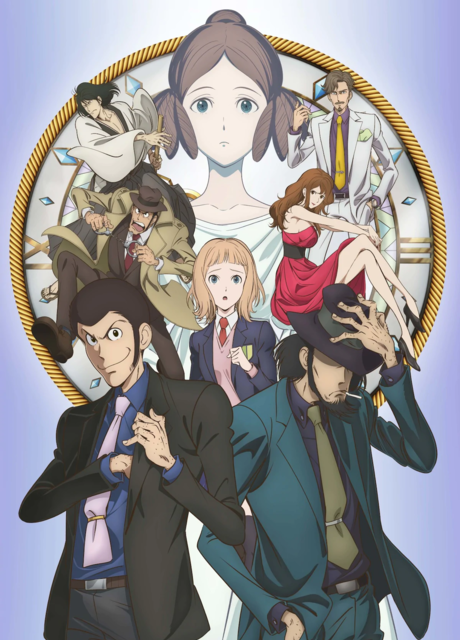
By no means is this irredeemable like everyone might think. I kind of enjoyed it, but it did feel like the most by-the-numbers Lupin III TV special. The biggest glaring issue with Goodbye Partner is that it feels like leftover Lupin III Part V plot that was never used, instead of feeling like a fresh adventure. It even uses technology in the same way as Part V, and it's so evident that this is was most certainly a part of the series that was scrapped. At the back of my mind, I kept thinking you could replace someone like Ami from the TV series with the girl in this one (Emily), and you wouldn't have to change much for it to fit the story. The main plot with the Emily being the center of everything and Jigen's betrayal was really anticlimactic and uninteresting. Keeping in mind I've seen this young-girl-gets-saved done in Part IV, V, and even some of the movies like Cagilostro. It's a tired Lupin III plotline that's kind of starting to wear out its welcome as time passes. Emily even looks like a reskin of the main girl from Beyond the Boundary, and Emilika's Japanese voice is straight-up just Vocaloid's Hatsune Miku, which seemed like it was just there to pander to modern otaku culture. Admittedly it's entertaining as it stays true to the series' portrayal of its characters, even in the animation, besides the CGI fingers, but it tries so hard to mix things up before doing a universe reset. I just didn't find Emily the least bit compelling, and the story of Jigen should've been a contained episode or a much shorter special specific to him. If you want a more gripping Jigen story you're better off watching the Woman Called Fujiko Mine sequel films that have much better atmosphere. This means that as a Lupin-centric adventure, Goobye Partner falls flat.
Parts of this movie feel like random episodes meshed together to fit an overarching plot that mainly feels disjointed that has me wondering if it was trying to be satirical or serious. I'd also like to point out that Edward Snowden and Hillary Clinton were in here for some reason, and it really felt like it was supposed to be those one-off appearances in the TV series, which they should have been, mainly for Clinton. In a special like this, they were kind of irrelevant to the overall plot, so their inclusion felt obnoxiously shoehorned in. The last half of this special somehow gets focused on governments equipped with armies of drones, that would make any Ubisoft executive throw down money for an open-world Lupin III game. Overall, the stakes didn't feel very high, and the tension was barely there as it back peddles on Jigen's betrayal. The entire thing goes on for way too long, constantly getting lost in a plot that never really resonated with me. Goodbye Partner is a good watch if you like Lupin III series, it just isn't going to surprise you. If you're already familiar with a majority of the series, it'll let you down, and as a movie, it misses the mark in being a grand-scale adventure.
MS Igloo: Apocalypse is a series I approached with high hopes, but it starts with a frustratingly weak presentation. Despite a two-year gap, the animation barely shows improvement. Considering it was released in the same year as Final Fantasy VII: Advent Children, this is a significant letdown. The opening scene initially suggests improvements, with moments that look almost on par with Advent Children. However, this is mostly due to the lighting hitting the models at just the right angles. Unfortunately, the animation remains inconsistent. Characters still display the same awkward, exaggerated expressions seen in The One-Year War, with many movements appearing over-the-top and the characters looking like pale husks. While there's a noticeable upgrade, the difference is minimal, especially if watched back-to-back with the previous series. On the plus side, the mobile suit battles in space are visually impressive and a highlight of the animation.
The narrative of MS Igloo: Apocalypse begins sluggishly compared to its predecessor. Although it continues from where the first series left off, the early episodes are bogged down by excessive exposition, making it a tough watch initially. I found myself questioning whether the series would improve. Fortunately, the story picks up significantly in the second episode, showcasing the Zeon forces' preparations and battles at A Baoa Qu. The drama hits more impactful notes than the first series, despite its brief run time. However, the animation's limitations occasionally undermine some of the more serious moments, affecting their emotional weight. The music ranges from melodramatic highs to generic lows, but it complements the series adequately, even if some tracks repeat familiar melodies. The production issues do hold back the series' full cinematic potential, but the plot gains momentum as it progresses towards the end of the One Year War. Apocalypse offers a poignantly sweet send-off that makes enduring the awkward CGI worthwhile.
The latter half of Apocalypse is notably better, with the final episode standing out as a highlight. The action sequences are fantastic, and the character development shines through. Fans of the battles in Gundam: The Origin will appreciate the direction, as it’s helmed by the same director. This volume is on par with The Hidden One-Year War for me, though I found it more enjoyable overall. Seeing one of the most renowned Gundam battles from 0079, especially from Zeon's perspective, adds a unique dimension. If it weren’t for the first episode’s slow start, Apocalypse would be a more solid piece. Despite its flaws, it offers a compelling look at the war’s final stages and is worth watching for Gundam enthusiasts.

I was way too young to appreciate War in the Pocket. In fact, I was only one year older than the main protagonist of the series when I did. My main reason for disliking this show was because it lacked giant over-the-top fights with pilots screaming at each other. After rewatching this at a more mature age, I'm so glad it's not that.
I finally realize how well presented this Gundam OVA is, and how it expertly goes about its message. It's very down-to-earth in its presentation. The characters are grounded enough for the world to feel real and even relatable. Sure majority of the cast are all young kids of varying ages, but it's necessary to portray their naivete. The character pieces work so well here, playing up a lot of the common behaviours of a clueless young child with fixed ideas of war.
War in the Pocket is short and sweet without overstaying its welcome. It manages to maintain a somber tone throughout the entire thing. There's nothing holding back this series' emotional punches, and the main two protagonists receive great development throughout to give it that. This is one of the best-animated war critiques I have watched in the Gundam UC Saga, that's got a lot of relevance outside of its medium. It's hard not to deny those times when young boys would play war in the playground, or vicariously living the epic battles through other Gundam series, myself included. Then it hits you with the cold reality by just showing violence as it is, pointless, and without getting as preachy as Kira Yamato at a Sunday Mass. This is a war that's being fought between two sides, and there's no good or bad guys (well except for the Zabis), just people. War in the Pocket is something young viewers won't respect as the focus isn't on the fights. Ironically, much like the kid, I was sort of naive myself; I was a huge fan of witnessing Gundam Wing's hooah approach to conflict resolution if that's any indication. I had a clear disdain for this particular OVA when I was 12, which is to say that this is not a Gundam for kids. Not because of it's of its subject matter, but because the anti-war nuances will be lost on young minds who simply want to see explosions and not a thought-provoking piece of anime. It really isn't a happy-go-lucky story, although many Gundam fans can attest to the bittersweet, borderline depressing storytelling. Really the only problem with War in the Pocket is that it's just not the Gundam many fans will be used to, as it places the emphasis on the message over being strictly media-entertainment. Personally, this is all for the better as it cements itself as a timeless anime with so much heart.
I'm so glad I was able to re-evaluate War in the Pocket because I would've continued to harbour sour feelings about it, all of which were rooted within the same kind of perspective on life that this kid used to have. The kid continually obsessing over the Zeon's being cooler reminded me of the days I used to think about how cool Nazi Germany looked before I had ever stepped into a WW2 history class. There are a lot of specific merits of this show that you have to keep in mind while going into this, which is why it has plenty of rewatch value. This Gundam series is so tonally different from the rest that I highly recommend that you binge this, even if you're unfamiliar with Universal Century history. War in the Pocket won't get your blood pumping with adrenaline, but I can guarantee you that it will kick you in the gut emotionally.
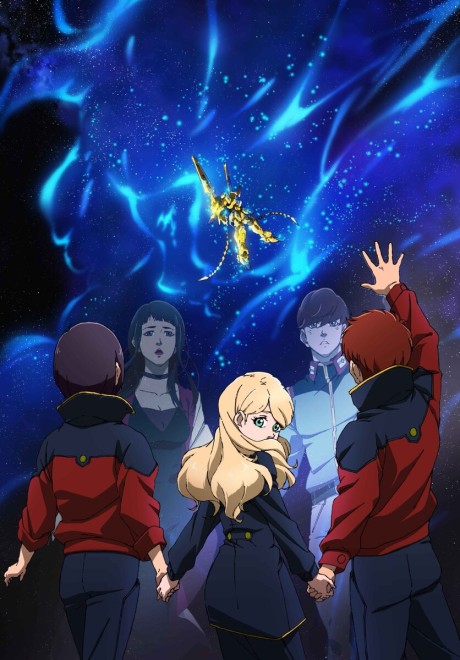
Not much needs to be said about Gundam Narrative's relevance, in short, it's the next Novel adaption of a Universal Century Gundam medium. It's an ok follow up after binging Unicorn because, in a way, it acts as an epilogue to that. However, underneath Narrative is a contrived mess of meandering potential, and a hollow entry as a Gundam film.
There are some good parts, mainly the action which was always top-tier. The style is good, and I'm glad that it is another distinctly Gundam show. Narrative has killer songs by Hiroyuki Sawano, much like Unicorn did. Vigilante is another one of Sawano's songs that is a headbanger, so much so that it's yet another Sawano song that's ended up on my workout playlists. It's a given that the music has been exceptionally good lately, especially with Sawano collaborating with LiSa for the end credits song narrative.
With all that said, this film is filled with space magic. I don't mind it in small doses, but if you just want to see Gundam and not Evangelion, then you're gonna be annoyed. In Evangelion, all this metaphysical stuff made sense because it relied on religious symbolism, spirituality, and just being a complete mindfuck to get its point across. Except for Gundam, focusing solely on mysticism ruins the core message, especially when the original focus of the series was its commentary on a human-conflict in a post-WW2 era. The original UC Gundams worked because they were relevant messages applicable to any time. I could not give two shits about Gundam where the focus is on super robots piloted by superhumans that can quickly resolve the plot, partly because there's no deeper meaning to it. There are also instances where you actually need to have watched Gundam Unicorn to understand background context and their character significance. Narrative is not a good starting point for Gundam newcomers, and arguably an even worse starting point than Unicorn.
A majority of Narrative feels kind of dull, especially after watching other Universal Century films like Gundam Thunderbolt that does everything better. It kind of reminds me of those mech shows from the 2010s that were all trying to compete or dethrone Gundam. Many of their stories ended up being generic as they chased trends instead of establishing them (see Aldnoah Zero for wasted potential), and Gundam Narrative is no different. It's trying so damn hard to be a unique mech show that it stumbles into cliche most of the time, especially when it tries to use space magic as an excuse for storytelling. It's super annoying that the Newtype trope has devolved into nothing more than a huge McGuffin for the writers. For something that's titled Gundam Narrative, there's not much of a cohesive plot, and the literal narrative fails as a result.
The story itself moves at such a piss-poor pace, and so much of the film treads water at parts. There were some flashbacks that occur right in the middle of a battle, which completely ruined the pacing of the current scene and film as a whole. It's not to say that I wasn't entertained, the action held my attention, but the whole reason I love Gundam so much is its complex themes that are rooted in hard sci-fi. Narrative makes action its main focus, which really drags the film away from its commentary on war (if at all), and it becomes ever more convoluted when Newtypes are thrown into the mix. What's even worse is that even the action is far and few between, often appearing at unconventional times. The main cast is uninteresting and unrelatable because they're Newtypes with god-like superpowers. The next Char successor barely even gets much of a character introduction too, and he just shows up with no real backstory as if you're supposed to know who he is already. Even the inclusion of Unicorn seems sort of half-assed, in what I can only assume is a way to promote new Gunpla.
I don't know if the novel was any better, but this movie does an atrocious job of convincing me to read it. I say again, this over-reliance on Newtype BS needs to stop. I don't want to keep repeating myself over and over again. Space magic has just gone off the rails and serves only for plot conveniences. Narrative isn't garbage, but it's only redeeming traits are its soundtrack and animation. If you actually eat up the Newtype plotline you'll probably love this one, the entire movie revolves around that, but it won't save the contrived plot and generic characters. The plot could have been good, but making Narrative a singular movie clearly didn't do justice for the more fleshed out novels. As someone who doesn't care about the metaphysical aspect of Gundam, Narrative was a very forgettable film. Really my only reason for watching this was it's because it's more Gundam. If you're expecting fulfilling storytelling, look elsewhere, or you'll be sorely disappointed. To quote Jeremy Jahns, "You won't remember this in T-minus 1 day.

It's been about 12 years or so since I had discovered Death Note for the first time. It was one of the first anime alongside Fullmetal Alchemist to get me versed into anime, and it's funny because I remember pretty vividly my cousin showing me this show on YTV's former late-night anime block Bionix; I even remember the episode being the one where Aizawa breaks down crying when he sees his family in the park. The show was strangely intriguing because of its mature subject matter, and thus I entered into the fandom of Death Note. I used to be obsessed with the series, had posters, watched the live-action movies, owned all the manga, cosplayed L, but ironically enough, I never actually finished the actual anime. Why you might ask; if you want to skip the slight tangent go to the next paragraph. Well, funny thing, I had the first volume of the anime in the days where they only gave you 4 episodes, and those things were hella expensive, especially when you're only 11 with no job. I didn't know how to torrent at the time, or Limewire in those days and many of the episodes were very hard to obtain for a home release as I had to wait for ages for them and they were releasing at a snail's pace. Funnily enough, the big reason I skipped about the Death Note anime was that I owned a bootlegged subtitled DVD, and young me didn't have much patience for reading subtitles and consuming the anime's much slower burn, at least compared to the manga.
However, watching this show with a smaller recollection of what I read of the manga (forgive me it's been over a decade), makes me see this series in a new light, pun intended. I rediscovered my love for Death Note, and I'm really glad I decided to sit down and watch this show as someone who had sort of forgotten and neglected the smartly crafted story. Death Note is honestly peak anime and deserves the praise it gets, despite the years of enduring cringy fans, including my young self, who obsessed over this show at conventions and on YouTube in the late 2008s. Words cannot describe the amount of greatness this show brings, and it makes me happy that I was able to watch a classic. It makes so much sense to me why a genius director like Tetsuro Araki decided to take on Attack on Titan, especially with all of the twists and turns later on. The pacing and soundtrack are godly. The dub is even great too. There's just so much right about the show's presentation, with very few hiccups.
It's a completely different experience for me as an adult watching this show, I finally appreciate the nuances and expertly crafted story. Many of the smaller details that I never noticed as a kid, make me smile all the much more knowing how clever the story unravels. "Oh, shit" moments are aplenty as the intrigue ran in full force. This show has aged like fine wine, and I'm glad I decided to revisit Death Note after all these years. I've also noticed the small lull in the story that happens about halfway through the series. There's no denying that there are some things fans might argue being weaker like Near being nothing more than an L clone, and that's somewhat true to some extent. Although Near being low tier L is something I never really noticed in the manga since it felt more natural. Mellow also feels really underutilized and is more annoying if anything. Mello should have been present more in the main story to add some unpredictability to hide the story conveniences, and it's a shame that he only comes in later on in the end. Although there are so many other characters who are that I'm entranced by like Mikami, so it would be a disservice to skip or drop this portion. I know many have complained about the second half, but many of these scenarios that happen after the halfway point are still fun to watch. I have no qualms with how the plot continued to play out, including the ending, regardless of how harsh some of the criticisms are by others. I myself can't think of any other way to conclude it without saying "end it here" because there's still so much stuff in the latter half I enjoyed watching. There are plenty of other interesting scenarios that were explored, but I guess you could pose the question of having a spin-off to keep these less relevant stories contained or explored like the newest one-shot manga. I have to admit that those McGuffins appear more often to advance the plot at an alarming rate that the latter half feels weaker as a result. Rather than putting the stories focus on the mind games that take place between Light and his opponents, the pacing feels more like a race than a game of chess. That being said, I still hold Death Note in such high regard. It was so nostalgic for me experiencing the anime that I never finished, and I'm really happy with myself that I fully "get" the intelligence of the series now that I'm an adult. I consider this show one of the pillars of anime, and it should fully get a recommendation for those looking to get into it. Death Note and Monster are truly one of a kind thriller series in their respective mediums.
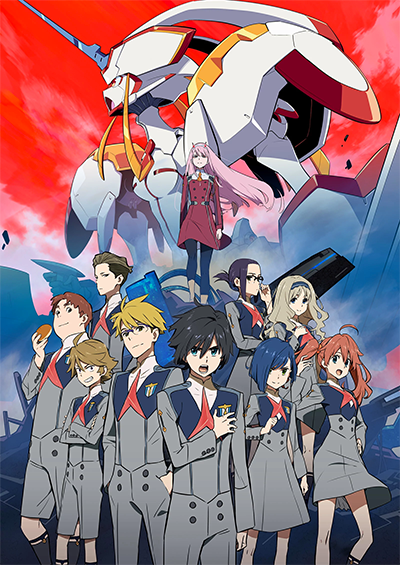
Let me preface by saying that I never watched this show during it’s airing. I heard about it, and knew it was a trigger show but didn’t end up sitting down to experience it. For the longest time I avoided this show. Fans avidly drooling over Zero Two, and then a divine fanbase really turned me away from ever wanting to touch this show. Ironically, the divisive opinions of Kill la Kill made me push it off for the longest time. I ended up enjoying Kill la Kill, so I thought why not give Darling in the Franxx a shot rather than giving it apt hate.
The chemistry between Hiro and Zero Two was great, and I enjoyed every single moment they were together. The flashback scenes between those two we’re executed to perfection. The rest of the crew also has a great dynamic too. You get to know everyone, or at least you think so until the others begin developing bonds with different partners. The soundtrack also has a very deep dramatic tone to it, especially the opening. At first, it felt odd seeing such a colourful show presented in this light, but once you get to watch more you'll understand why.
I have so many things to say about Darling in the Franxx, and a good chunk of this show is positives. The biggest criticisms overshadow the latter half of Darling in the Franxx, which ultimately ruins the world-building and moments that came before. However, underneath it all you get a husk of wasted potential and meandering character development. The first half of Darling in the Franxx is quite enjoyable, and that mid-season episode had me feeling.
Where this show falls apart is shortly after in which the main antagonists end up being aliens with a lust for power. It’s boring, generic, and quite frankly (pun intended) a middle finger to everything that came before it. On a completely unrelated note, in the very first episode, there was some weird groping scene that occurred in the first episode that really did not belong there and felt more creepy than funny. There are actually a few “funny” moments that probably could’ve been cut, ironically the parts in which the characters are trying to understand their sexuality were more mature than any of the wacky anime antics.
Darling in the Franxx is a good show that does a complete 180 to everything it set up. I like Darling in the Franxx, and yet I struggle to find more words to say about it because there isn’t much else to compliment it on. I still love the show enough to give it a good rating. I just can't help but think about what could have been if the writers didn't resort to utter genericism.
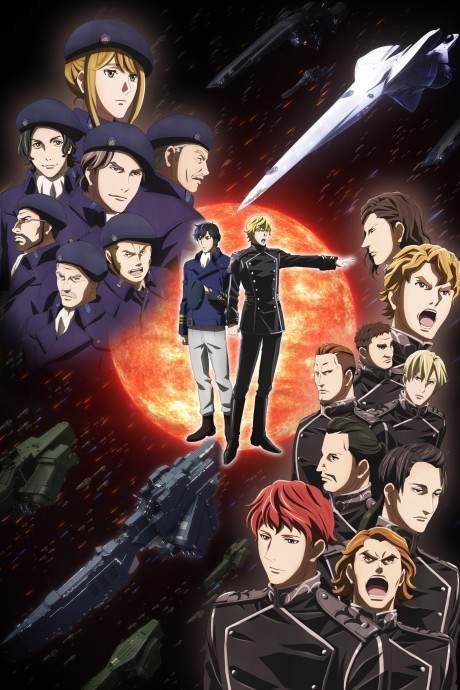
Sieran 2 spares no expense at running forward with what's been given. The previous film (or four episodes) were all dedicated to the Empire's point of view. When I started this volume with the Alliance it began to put things into perspective, especially when it came to focusing on the conflict itself.
I think by just putting all their effort into a 4 episode story arc worked. I realize it's a movie, but everything here worked better when it focused on one conflict at a time. I didn't get a bunch of swapping back and forth trying to understand everything on both sides. I began to get a feeling from the previous movie, despite some of my disdain for certain perspectives.
As we swap places to the Alliance, I'm invested from the get-go. Once the coup d'etat starts I can begin to see Die Neu This shine. The previous episodes had me wondering, and now it has me waiting for the moment it all comes to fruition. The tension and setup is just leaps and bounds better. I finally get the show, and it's inner workings. The world begins to make a little more sense, and the conflict is so exciting to see on screen.
That space battle has much more weight than the ones that happened previously. I feel like the direction and tone is overall better here. I got pretty excited as soon as the soldiers made their landing on the ship, and proceeded to have sword fights with each other. This kind of brutality and weightiness was missing from the previous season, and I enjoyed every minute of it here. Really the ship battles had me caring more about them now that there was some build-up from the previous film/episodes.
If there was one misstep in this volume, it was a mismatched emotional scene involving Yang Wenli. In the scene prior to this, we had just witnessed a horrible massacre and the death of a familiar character. We jump back to Yang as he's seen coping, and as the camera pans up it shows him wearing sunglasses. I realize that it was representative of him not wanting to show the emotions, in fact, the narrator stated it specifically and gave reasons why. But I couldn't help but laugh at a scene that wasn't supposed to be funny. It's just something that didn't turn out well, at least for me, and I'm sure many others would feel the same way about it too. It is a novel-faithful scene apparently, though I think it could've been handled more tastefully. I just found the scene tonally inconsistent with what I should've felt.
Seiran 2 is solid. It's not a masterpiece, but I think everything in terms of plot and characters are coming together much better. I'm really enjoying the series much more than before, and am starting to see some of the setups paid off. I'm looking forward to finishing the last movie in the trilogy.
