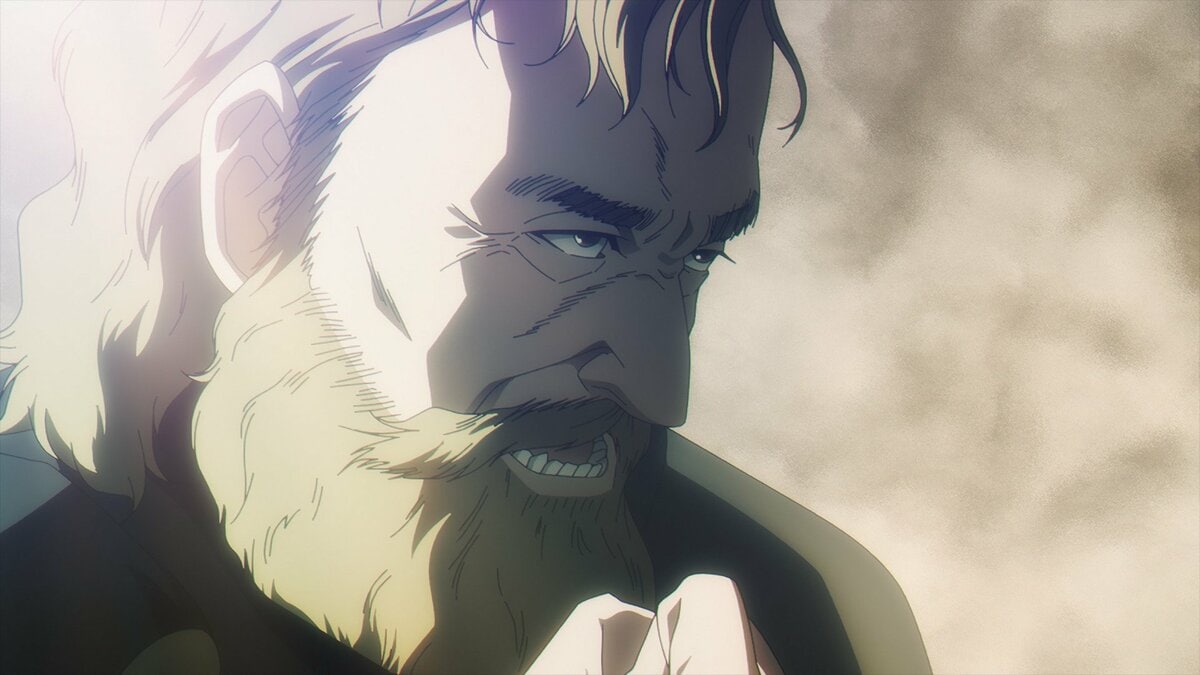

— — — —— — —
×
— —— —


 >#GENERAL INFO
Released a little over a month ago (on this end of December) on Netflix, Hyakuemu is the adaptation of a manga, a shonen that's unfortunately still unpublished in my country.
What interests us, however, is the author behind it, Uoto.
And why should we care? Because we're talking about a very young mangaka, born in 1997, who has now firmly established himself among the great contemporary authors, especially thanks to what is my personal little masterpiece, Orb: On the Movements of the Earth
>(my review of which is available at this link: https://anilist.co/review/27136 )
And about this one, folks, do yourselves a favor and get it as soon as possible: the manga is a well-rounded "seinen" that freely retraces that very particular historical period of the discovery and spread of the heliocentric theory and the subsequent heretical treatment reserved for scholars and popularizers associated with it.
Seriously, it has everything: an incredible story, a 100% effective tandem of characters, and a topic almost unheard of in the world of manga. Truly a great reading.
By the way, almost one year ago Orb got an animated adaptation, consisting of 25 episodes in total, available on the Netflix streaming platform, too.
>#GENERAL INFO
Released a little over a month ago (on this end of December) on Netflix, Hyakuemu is the adaptation of a manga, a shonen that's unfortunately still unpublished in my country.
What interests us, however, is the author behind it, Uoto.
And why should we care? Because we're talking about a very young mangaka, born in 1997, who has now firmly established himself among the great contemporary authors, especially thanks to what is my personal little masterpiece, Orb: On the Movements of the Earth
>(my review of which is available at this link: https://anilist.co/review/27136 )
And about this one, folks, do yourselves a favor and get it as soon as possible: the manga is a well-rounded "seinen" that freely retraces that very particular historical period of the discovery and spread of the heliocentric theory and the subsequent heretical treatment reserved for scholars and popularizers associated with it.
Seriously, it has everything: an incredible story, a 100% effective tandem of characters, and a topic almost unheard of in the world of manga. Truly a great reading.
By the way, almost one year ago Orb got an animated adaptation, consisting of 25 episodes in total, available on the Netflix streaming platform, too.


 >#GENESIS OF THE MOVIE
Not so several years ago, there was Ongaku, an independent film based on an equally unknown comic book.
It was known it wouldn't gain any visibility, but the impact it had on me when I first saw it was such that I recommended it at least to the few people who trust my word.
Because pursuing success in a certain field is necessary to give material value to the many hours it takes to write a review, but giving voice to what makes you feel alive is sometimes more important than even putting bread on the table.
Kenji Iwaisawa was then a jobless forty-year-old, one of the many wealthy men struggling with a reality incapable of fairly rewarding effort and ambition.
...Today, his second movie has made the rounds at all the major festivals, amazed audiences who would normally have snubbed it, and, thanks to word of mouth alone, has become the sixth most-watched non-English film on Netflix.
Hyakuemu/100 Meters, is a tangible proof that working all night, repeating that things will get better one day, can actually lead to something. That giving up shouldn't be an option, because who you are, what you want, and what you'll leave behind are all up to you.
>#GENESIS OF THE MOVIE
Not so several years ago, there was Ongaku, an independent film based on an equally unknown comic book.
It was known it wouldn't gain any visibility, but the impact it had on me when I first saw it was such that I recommended it at least to the few people who trust my word.
Because pursuing success in a certain field is necessary to give material value to the many hours it takes to write a review, but giving voice to what makes you feel alive is sometimes more important than even putting bread on the table.
Kenji Iwaisawa was then a jobless forty-year-old, one of the many wealthy men struggling with a reality incapable of fairly rewarding effort and ambition.
...Today, his second movie has made the rounds at all the major festivals, amazed audiences who would normally have snubbed it, and, thanks to word of mouth alone, has become the sixth most-watched non-English film on Netflix.
Hyakuemu/100 Meters, is a tangible proof that working all night, repeating that things will get better one day, can actually lead to something. That giving up shouldn't be an option, because who you are, what you want, and what you'll leave behind are all up to you.
 The real "show" begins in 2018, when newcomer Uoto began publishing Hyakuemu in Magazine Pocket, the online branch of Weekly Shonen Magazine.
The idea to draw a comic about the 100-meter dash came to him two years earlier, when an athlete was disqualified for a false start at the 2016 Rio Olympics.
The absurdity of dedicating a lifetime to preparing for a race from which you can be eliminated for the slightest mistake pushed the author to reflect on the value of those 10 seconds of running, which only become materially relevant when you win.
How can you entrust an entire existence to such a brief, uncertain, and seemingly meaningless moment? To answer, Uoto approaches the sporting aspect by directly relating it to the life philosophy of each character, with an approach that deliberately ignores spokon stereotypes in favor of more personal narrative solutions.
The real "show" begins in 2018, when newcomer Uoto began publishing Hyakuemu in Magazine Pocket, the online branch of Weekly Shonen Magazine.
The idea to draw a comic about the 100-meter dash came to him two years earlier, when an athlete was disqualified for a false start at the 2016 Rio Olympics.
The absurdity of dedicating a lifetime to preparing for a race from which you can be eliminated for the slightest mistake pushed the author to reflect on the value of those 10 seconds of running, which only become materially relevant when you win.
How can you entrust an entire existence to such a brief, uncertain, and seemingly meaningless moment? To answer, Uoto approaches the sporting aspect by directly relating it to the life philosophy of each character, with an approach that deliberately ignores spokon stereotypes in favor of more personal narrative solutions.

format(webp)) The results, initially, were so disappointing that they didn't even meet the minimum requirements for printing the volumes, but the news of not being able to hold it in their hands was so devastating that the few readers raised an unspeakable outcry.
Twitter was inundated with users who had developed a deep connection with the comic's content, and within a few weeks the decision was reversed, placing material success before affection.
Among those who adored Hyakuemu, there was also a director who was about to release his first film, an adaptation of another comic he had fallen in love with.
Kenji Iwaisawa had started out wanting to make live action, then stumbled upon rotoscope and fell in love with it so much that he wanted to make a film about it, choosing as a subject something to which he could pour all his passion.
Since fall 2019, Ongaku has been through the festival circuit, winning the prestigious Noboru Fuji Award, Japan's oldest animation award, and, curiously, being licensed for the North American market by Jay Kids,attracting attention that an independent film can usually only dream of.From being a total outsider , Iwaisawa begins to be contacted by a series of companies wanting to contribute to his next project (obviously without ulterior motives xD).Two new feature films__ have been born, both announced for 2023: Hina is Beautiful, an adaptation of a manga by Hideki Arai, and Hyakuemu, a "true passion project".
As mentioned, good old Kenji was amazed by Uoto's debut series, seeing something special in the characters and thinking it suited his strengths perfectly, especially the use of rotoscope (mark this key-word, too).
The results, initially, were so disappointing that they didn't even meet the minimum requirements for printing the volumes, but the news of not being able to hold it in their hands was so devastating that the few readers raised an unspeakable outcry.
Twitter was inundated with users who had developed a deep connection with the comic's content, and within a few weeks the decision was reversed, placing material success before affection.
Among those who adored Hyakuemu, there was also a director who was about to release his first film, an adaptation of another comic he had fallen in love with.
Kenji Iwaisawa had started out wanting to make live action, then stumbled upon rotoscope and fell in love with it so much that he wanted to make a film about it, choosing as a subject something to which he could pour all his passion.
Since fall 2019, Ongaku has been through the festival circuit, winning the prestigious Noboru Fuji Award, Japan's oldest animation award, and, curiously, being licensed for the North American market by Jay Kids,attracting attention that an independent film can usually only dream of.From being a total outsider , Iwaisawa begins to be contacted by a series of companies wanting to contribute to his next project (obviously without ulterior motives xD).Two new feature films__ have been born, both announced for 2023: Hina is Beautiful, an adaptation of a manga by Hideki Arai, and Hyakuemu, a "true passion project".
As mentioned, good old Kenji was amazed by Uoto's debut series, seeing something special in the characters and thinking it suited his strengths perfectly, especially the use of rotoscope (mark this key-word, too).
 >#THE PLOT (+introspection of the characters)
But beyond all the behind-the-scenes details, what does Hyakuemu tell us and, above all, how does it do it?
>#THE PLOT (+introspection of the characters)
But beyond all the behind-the-scenes details, what does Hyakuemu tell us and, above all, how does it do it?
 As the title suggests, we are faced with an explicitly sporting story dedicated to the queen of the Olympic disciplines, the 100-meter dash. But—and it's a big but—while sport is ever-present and the driving force behind the story, Hyakuemu's is actually a human story about two men, and that's clear from the very beginning. Although perhaps it's more accurate to say that the film at times becomes a profound slice of life against the backdrop of a rivalry of sporting rivalries.
 We meet our two protagonists as young elementary school kids.
The first we meet is Togashi, a running prodigy, cheered on by all his classmates, and Komiya, a recent transfer and a poor runner.
Togashi is pure speed. There's no comparison with his peers: in the 100 m, he's one of the most promising prospects in his prefecture, and beyond, which is why he's a much-loved boy, surrounded by a large circle of friends. But that doesn't mean he's portrayed as a "classic shonen protagonist". In fact, I think Togashi has a wonderful personality: taciturn, serious, lighthearted in lighthearted moments, and unshakeable when he's on the blocks.
We meet our two protagonists as young elementary school kids.
The first we meet is Togashi, a running prodigy, cheered on by all his classmates, and Komiya, a recent transfer and a poor runner.
Togashi is pure speed. There's no comparison with his peers: in the 100 m, he's one of the most promising prospects in his prefecture, and beyond, which is why he's a much-loved boy, surrounded by a large circle of friends. But that doesn't mean he's portrayed as a "classic shonen protagonist". In fact, I think Togashi has a wonderful personality: taciturn, serious, lighthearted in lighthearted moments, and unshakeable when he's on the blocks.


 He has a calm but cold expression, constantly focused on the single goal he seems to have been born for, but when he befriends the other student and teaches him how to appear less awkward, a disinterested smile begins to creep across his face.
I also found it very interesting that for him, running is more than all-consuming, it's simply vital. He's not one of those characters who harbors that classic "spokon" ambition where competing and excelling becomes the ultimate goal. No, running is necessary. Period.
He has a calm but cold expression, constantly focused on the single goal he seems to have been born for, but when he befriends the other student and teaches him how to appear less awkward, a disinterested smile begins to creep across his face.
I also found it very interesting that for him, running is more than all-consuming, it's simply vital. He's not one of those characters who harbors that classic "spokon" ambition where competing and excelling becomes the ultimate goal. No, running is necessary. Period.
 Togashi's story, however, takes a new direction when a new student, Komiya, arrives in his class.
Komiya obviously has an opposite personality: awkward, troubled, and solitary. He's a boy who's running away from something, both metaphorically and literally.
He runs and runs for miles through the neighborhood streets as if he were escaping, as if he were being hunted, and obviously Komiya will be struck by lightning the moment he sees Togashi running on the track for the first time during physical education class.
It's an epiphany, so much so that the boy plucks up the courage to ask his new classmate to teach him the rudiments of the sport. Togashi, intrigued, accepts.
At first, Komiya is obviously unrefined, lacking the slightest technique, but also he's very fast, and above all, he runs differently from Togashi. His is a frenetic, agonizing race, and I think the movie captures this feeling very well.
Togashi's story, however, takes a new direction when a new student, Komiya, arrives in his class.
Komiya obviously has an opposite personality: awkward, troubled, and solitary. He's a boy who's running away from something, both metaphorically and literally.
He runs and runs for miles through the neighborhood streets as if he were escaping, as if he were being hunted, and obviously Komiya will be struck by lightning the moment he sees Togashi running on the track for the first time during physical education class.
It's an epiphany, so much so that the boy plucks up the courage to ask his new classmate to teach him the rudiments of the sport. Togashi, intrigued, accepts.
At first, Komiya is obviously unrefined, lacking the slightest technique, but also he's very fast, and above all, he runs differently from Togashi. His is a frenetic, agonizing race, and I think the movie captures this feeling very well.


 Now, told like this, this might seem like a simple story of friendship/rivalry, but that's not entirely accurate. While the relationship between the two obviously strengthens, as the lessons progress, the true narrative focus comes later.
Because the anime makes a huge leap forward. From elementary school, middle school, and after a separation, the two will meet again later in high school and even beyond.
And this is where the story gets truly interesting, because although running, the 100 m., and even the 4-mixed relay is present, it feels like it's all a huge tool for talking about people. The 10 seconds of the 100 m. become an alien dimension, taking on an ambiguous meaning and raising questions about what we do to find meaning.
Now, told like this, this might seem like a simple story of friendship/rivalry, but that's not entirely accurate. While the relationship between the two obviously strengthens, as the lessons progress, the true narrative focus comes later.
Because the anime makes a huge leap forward. From elementary school, middle school, and after a separation, the two will meet again later in high school and even beyond.
And this is where the story gets truly interesting, because although running, the 100 m., and even the 4-mixed relay is present, it feels like it's all a huge tool for talking about people. The 10 seconds of the 100 m. become an alien dimension, taking on an ambiguous meaning and raising questions about what we do to find meaning.


 How does it do this? Obviously, first and foremost through the two protagonists, who are different, but both have very clear psychological profiles.
Togashi in particular, who is the true center of the story, will be affected by very profound moments, especially on a mental level. He is a protagonist we see excel, but also fall apart under the blows of a brilliant direction that in the most touching scenes transforms the character, unravels him, and makes him sculptural.
Komiya, on the other hand, in his uniqueness, will prove to be a much more indecipherable character. At first, it seemed that Togashi would be the one who would dedicate himself body and soul to running. In reality, Komiya will live solely for the race—not even the race anymore, but the race itself.
Plus, a whole series of perfect supporting characters will develop around Togashi and Komiya, with their own problems, their own aspirations, and their own lives. Through them, we'll talk about injuries, broken dreams, and even, subtly, depression. Every single character who has a single line in the film works.
And it's surprising because some characters, a couple in particular, are truly polarized, in the sense that they're extreme in their way of conceiving "all-encompassing" sport, almost as if it were the sole expression of their being.
And sometimes, I have to say, this is perhaps the only real flaw I found: Hyakuemu becomes too solemn with so many quotation marks. We hear some characters launch into truly powerful, very rhetorical, excessively cryptic monologues, but in the end, it's okay because the uniqueness of these characters somehow justifies them—that is, they're very extraordinary, but not in the ordinary sense. And above all, it's all perfectly wrapped up by stunning direction and animation that truly immerses us in these characters' way of experiencing and understanding running.
How does it do this? Obviously, first and foremost through the two protagonists, who are different, but both have very clear psychological profiles.
Togashi in particular, who is the true center of the story, will be affected by very profound moments, especially on a mental level. He is a protagonist we see excel, but also fall apart under the blows of a brilliant direction that in the most touching scenes transforms the character, unravels him, and makes him sculptural.
Komiya, on the other hand, in his uniqueness, will prove to be a much more indecipherable character. At first, it seemed that Togashi would be the one who would dedicate himself body and soul to running. In reality, Komiya will live solely for the race—not even the race anymore, but the race itself.
Plus, a whole series of perfect supporting characters will develop around Togashi and Komiya, with their own problems, their own aspirations, and their own lives. Through them, we'll talk about injuries, broken dreams, and even, subtly, depression. Every single character who has a single line in the film works.
And it's surprising because some characters, a couple in particular, are truly polarized, in the sense that they're extreme in their way of conceiving "all-encompassing" sport, almost as if it were the sole expression of their being.
And sometimes, I have to say, this is perhaps the only real flaw I found: Hyakuemu becomes too solemn with so many quotation marks. We hear some characters launch into truly powerful, very rhetorical, excessively cryptic monologues, but in the end, it's okay because the uniqueness of these characters somehow justifies them—that is, they're very extraordinary, but not in the ordinary sense. And above all, it's all perfectly wrapped up by stunning direction and animation that truly immerses us in these characters' way of experiencing and understanding running.

 We play sports, cultivate hobbies, and watch construction sites for many reasons, but if we remain attached to something, it's because, in a certain sense, we feel a need for it.
It's the call of the jungle for Tarzan, the attachment to a soccer player's jersey, or Linus's blanket in Peanuts: a necessity, which never depends on what you get because, in reality, what you need has already been given to you.
You don't get passionate about movies because you've seen a good film; it happens because, even when what you're watching is terrible, you don't really want to stop because you've seen it 17 times and you still believe it's not enough. It's a thought that reassures you in times of despair and strengthens your connection to the world.
Togashi and Komiya didn't come into the world to run, but they run to understand it.
Fame and money, as convenient as they may be, cannot represent a satisfying goal. Even if you win, life goes on, the competitions continue, and next time you might come in second, because time doesn't stand still.
And there are two secondary characters who perfectly embody this concept: Zaitsu, the classic talent of the century, and Kaido, the eternal runner-up born in the wrong generation.
We meet the former while giving a speech at Komiya's school, like a superior being appearing to inspire the masses. We see him impassive, heroic, surrounded by an aura that immediately makes clear his importance despite his scant presence. Then, when we meet him again after the time skip, his face is marked by obvious fatigue. He seems resigned, despite having no real reason to be, and, despite his unkempt hair, he has a more human appearance. Even though we haven't seen him, for 10 years he's continued to run tirelessly for the only role life seems to have reserved for him, but victory after victory, the meaning he'd relied on has begun to lose its meaning.
What's the point of triumph if, when you cross the finish line, there's no one by your side?
Kaido, on the other hand, always has someone ahead of him: he's a man gifted with extraordinary talent, he works as hard as a top scorer, and yet he always finds himself on the losing end because in every generation there's someone stronger than him. His life, for sports commentators, is a twist of fate, yet he doesn't care.
Perhaps, precisely because he was left behind, he continued to find enjoyment in running, to struggle with frustration, to experience emotion, and the idea of being able to overcome reality has never gone away.
We play sports, cultivate hobbies, and watch construction sites for many reasons, but if we remain attached to something, it's because, in a certain sense, we feel a need for it.
It's the call of the jungle for Tarzan, the attachment to a soccer player's jersey, or Linus's blanket in Peanuts: a necessity, which never depends on what you get because, in reality, what you need has already been given to you.
You don't get passionate about movies because you've seen a good film; it happens because, even when what you're watching is terrible, you don't really want to stop because you've seen it 17 times and you still believe it's not enough. It's a thought that reassures you in times of despair and strengthens your connection to the world.
Togashi and Komiya didn't come into the world to run, but they run to understand it.
Fame and money, as convenient as they may be, cannot represent a satisfying goal. Even if you win, life goes on, the competitions continue, and next time you might come in second, because time doesn't stand still.
And there are two secondary characters who perfectly embody this concept: Zaitsu, the classic talent of the century, and Kaido, the eternal runner-up born in the wrong generation.
We meet the former while giving a speech at Komiya's school, like a superior being appearing to inspire the masses. We see him impassive, heroic, surrounded by an aura that immediately makes clear his importance despite his scant presence. Then, when we meet him again after the time skip, his face is marked by obvious fatigue. He seems resigned, despite having no real reason to be, and, despite his unkempt hair, he has a more human appearance. Even though we haven't seen him, for 10 years he's continued to run tirelessly for the only role life seems to have reserved for him, but victory after victory, the meaning he'd relied on has begun to lose its meaning.
What's the point of triumph if, when you cross the finish line, there's no one by your side?
Kaido, on the other hand, always has someone ahead of him: he's a man gifted with extraordinary talent, he works as hard as a top scorer, and yet he always finds himself on the losing end because in every generation there's someone stronger than him. His life, for sports commentators, is a twist of fate, yet he doesn't care.
Perhaps, precisely because he was left behind, he continued to find enjoyment in running, to struggle with frustration, to experience emotion, and the idea of being able to overcome reality has never gone away.


 Competition, in a certain sense, is a way to challenge yourself first and foremost, so if you always win, how do you grow? Sure, you become the best in your sport, and if it's well-paid, maybe you save a little, but you'll always be surrounded by emptiness.
From a depth perspective, I realize the film might have a flaw, but, for example, Kaido's brief presence reminds us that the time to learn and discover is truly short. To make this even clearer, let's return to the high school race: as I said above, it's an epic moment, punctuated by the drops that fall to the ground passing over the protagonist's skin, but surrounded by two small, yet profoundly important, details. For a moment, the camera cuts away from the race participants to linger on the half-empty stands, indicating that recognition is the last thing to be sought in commitment. Then, after gradually becoming more vivid as the opening shot approaches, the colors fade to give way to a sepia-toned effect with tragic undertones. That apparent epicness, born from the need to experience special moments, shatters in an instant against a reality that reaffirms its unpredictability.
And that's where all the magic of the movie lies.
A year to create a moment, 12 months to bring to life 5 minutes that, once over, leave room only for disappointment and dismay. But then, you close your eyes and 10 years have passed. Togashi lost the opportunity that aesthetically seemed the most important, but he's still there, undoubtedly happier, and a Komiya who, on the other hand, has never stopped winning.
Because you carry on, but the suffering remains there, so much so that you can experience it again only by "going back on the bar".
That's how life goes on, on and on... And then it ends. How to live it, what to experience, and what value to give it? It's up to you.
Competition, in a certain sense, is a way to challenge yourself first and foremost, so if you always win, how do you grow? Sure, you become the best in your sport, and if it's well-paid, maybe you save a little, but you'll always be surrounded by emptiness.
From a depth perspective, I realize the film might have a flaw, but, for example, Kaido's brief presence reminds us that the time to learn and discover is truly short. To make this even clearer, let's return to the high school race: as I said above, it's an epic moment, punctuated by the drops that fall to the ground passing over the protagonist's skin, but surrounded by two small, yet profoundly important, details. For a moment, the camera cuts away from the race participants to linger on the half-empty stands, indicating that recognition is the last thing to be sought in commitment. Then, after gradually becoming more vivid as the opening shot approaches, the colors fade to give way to a sepia-toned effect with tragic undertones. That apparent epicness, born from the need to experience special moments, shatters in an instant against a reality that reaffirms its unpredictability.
And that's where all the magic of the movie lies.
A year to create a moment, 12 months to bring to life 5 minutes that, once over, leave room only for disappointment and dismay. But then, you close your eyes and 10 years have passed. Togashi lost the opportunity that aesthetically seemed the most important, but he's still there, undoubtedly happier, and a Komiya who, on the other hand, has never stopped winning.
Because you carry on, but the suffering remains there, so much so that you can experience it again only by "going back on the bar".
That's how life goes on, on and on... And then it ends. How to live it, what to experience, and what value to give it? It's up to you.


 ---
---
>Hyakuemu's original soundtrack compilation available on SPOTIFY: https://open.spotify.com/intl-it/album/12EScewXhTgZ32I1UmKDyC
>#THE TECNIQUE
Iwaisawa has capitalized on what he learned by putting himself to the test even when it seemed he could no longer do so, and the result is a journey of which Hyakuemu is a continuation, not a point of arrival.
From overseeing many scenes at Ongaku, despite not being an animator, he has gone on in just a few years to build a team that includes important names like Keisuke Kojima, Jujutsu Kaisen colorist Eiko Matsushima, and composer Hiroaki Tsutsumi. For someone who already had little resources to indulge in using different techniques and styles, using a talented team is what is needed to make the so-called "step forward."
---
---
>Hyakuemu's original soundtrack compilation available on SPOTIFY: https://open.spotify.com/intl-it/album/12EScewXhTgZ32I1UmKDyC
>#THE TECNIQUE
Iwaisawa has capitalized on what he learned by putting himself to the test even when it seemed he could no longer do so, and the result is a journey of which Hyakuemu is a continuation, not a point of arrival.
From overseeing many scenes at Ongaku, despite not being an animator, he has gone on in just a few years to build a team that includes important names like Keisuke Kojima, Jujutsu Kaisen colorist Eiko Matsushima, and composer Hiroaki Tsutsumi. For someone who already had little resources to indulge in using different techniques and styles, using a talented team is what is needed to make the so-called "step forward."


 Compared to Ongaku, we first of all have a less caricatural character design, more oriented towards realism; a design that respects the idea of what the audience wants to see, without conforming to more overused standards. The characters maintain their personalities thanks to an aesthetic that allows them to be quite recognizable, to stand out through a simple detail and yet grow, acquiring new dimensions, hairstyles, and expressions. Individual sensibilities are revealed through the wide range of facial and body variations that accompany the narrative, highlighting the passage of time more through images than through dialogue explanations.
Speaking of the technical side: first of all, the movie is divided into two distinct moments. While the childhood of the two protagonists is very well depicted, featuring some excellent scenes, in the second part (the one in which they grow up), things get truly interesting.
If you've seen the film and wondered, "Why is everything so mobile?" Well, there isn't a single scene where the characters are still, it's because of the rotoscope. Some love it, some hate it. I personally appreciate it because, when used properly, it can make an animated product feel "real", bringing it much closer to movies with live actors.
But what is rotoscope? It's an animation technique whereby artists, designers, to create the frames that will then be colored, trace scenes that were previously shot with actors. So even a simple sequence like walking, or in this case, running, becomes completely real, almost making you lose the feeling of watching an animated product. It's something different.
If there's one thing I personally hate about anime, especially the slightly lower-quality ones, it's their static nature. These types of films, however, like those from Studio Ghibli for example, are so beautiful to watch: every scene, every little sequence is always in motion, whether it's a twitch of hair, a movement of clothing.
Of course, a Miyazaki movie and Hyakuemu's are two different things (by the way, fun fact: Miyazaki has always been against rotoscopes), but the latter is still very immersive, also because it's a technique that obviously fits very well with the main subject, the 100 meters.
But that doesn't mean the whole film is like that; on the contrary... As I mentioned before, some scenes lose the realism that a rotoscoped film necessarily imbues in favor of more conceptual representations, and these are few but goosebump-inducing sequences: the characters are transformed, their bodies reflecting their moods more than a faithful representation of the moment.
>Linked to Art History: "Forme uniche della continuità nello spazio" (1913) by artist Umberto Boccioni, a Futurist masterpiece that fuses the human body and the environment in a single dynamic movement. Dynamism, simultaneity, speed, and a synthesis of motion, it's a streamlined figure that traverses space.
Compared to Ongaku, we first of all have a less caricatural character design, more oriented towards realism; a design that respects the idea of what the audience wants to see, without conforming to more overused standards. The characters maintain their personalities thanks to an aesthetic that allows them to be quite recognizable, to stand out through a simple detail and yet grow, acquiring new dimensions, hairstyles, and expressions. Individual sensibilities are revealed through the wide range of facial and body variations that accompany the narrative, highlighting the passage of time more through images than through dialogue explanations.
Speaking of the technical side: first of all, the movie is divided into two distinct moments. While the childhood of the two protagonists is very well depicted, featuring some excellent scenes, in the second part (the one in which they grow up), things get truly interesting.
If you've seen the film and wondered, "Why is everything so mobile?" Well, there isn't a single scene where the characters are still, it's because of the rotoscope. Some love it, some hate it. I personally appreciate it because, when used properly, it can make an animated product feel "real", bringing it much closer to movies with live actors.
But what is rotoscope? It's an animation technique whereby artists, designers, to create the frames that will then be colored, trace scenes that were previously shot with actors. So even a simple sequence like walking, or in this case, running, becomes completely real, almost making you lose the feeling of watching an animated product. It's something different.
If there's one thing I personally hate about anime, especially the slightly lower-quality ones, it's their static nature. These types of films, however, like those from Studio Ghibli for example, are so beautiful to watch: every scene, every little sequence is always in motion, whether it's a twitch of hair, a movement of clothing.
Of course, a Miyazaki movie and Hyakuemu's are two different things (by the way, fun fact: Miyazaki has always been against rotoscopes), but the latter is still very immersive, also because it's a technique that obviously fits very well with the main subject, the 100 meters.
But that doesn't mean the whole film is like that; on the contrary... As I mentioned before, some scenes lose the realism that a rotoscoped film necessarily imbues in favor of more conceptual representations, and these are few but goosebump-inducing sequences: the characters are transformed, their bodies reflecting their moods more than a faithful representation of the moment.
>Linked to Art History: "Forme uniche della continuità nello spazio" (1913) by artist Umberto Boccioni, a Futurist masterpiece that fuses the human body and the environment in a single dynamic movement. Dynamism, simultaneity, speed, and a synthesis of motion, it's a streamlined figure that traverses space.

 All this to tell you that, beyond the actual narrative content, it's a beautiful, satisfying product to watch, very evocative even in its slightly more secondary aspects, like the backgrounds. It's an urban anime that truly transports you to the Japanese countryside and city, especially since many of the backgrounds are done with a technique that often mimics watercolors and pastels, and I read it's very difficult to harmonize rotoscoped characters with such environments.
But in my opinion, 99% of the time, they've succeeded well. In some scenes, the disconnect is real, it's obvious, but it's easy to overlook.
All this to tell you that, beyond the actual narrative content, it's a beautiful, satisfying product to watch, very evocative even in its slightly more secondary aspects, like the backgrounds. It's an urban anime that truly transports you to the Japanese countryside and city, especially since many of the backgrounds are done with a technique that often mimics watercolors and pastels, and I read it's very difficult to harmonize rotoscoped characters with such environments.
But in my opinion, 99% of the time, they've succeeded well. In some scenes, the disconnect is real, it's obvious, but it's easy to overlook.

format(webp))

 >Hyakuemu is an overwhelming experience, combining pure spectacle and sincere emotion, a sports movie that uses animation to transform running, particularly the 100-meter race, into a physical and existential journey, closer to a trance than a competition, focusing on the meaning of talent, perseverance, and the reason for running, both on and off the track.
>Togashi and Komiya are portrayed with a rare sensitivity: one born to win, the other built on tenacity, both extraordinarily human. The direction is inspired, the animation reaches extraordinary heights, shifting styles effortlessly to amplify perceptions and moods.
>The technical work is impressive, each scene is crafted with absolute dedication, the soundtrack is measured and consistently punchy. The movie flows at a perfect pace, between adrenaline and contemplative moments, moving, thought-provoking, and lingering. Only in a few passages can the dialogues be dense, as well as the characters are not too much developed, but they're minimal shadows in a luminous work, which confirms how animation is truly great cinema.
>Hyakuemu is an overwhelming experience, combining pure spectacle and sincere emotion, a sports movie that uses animation to transform running, particularly the 100-meter race, into a physical and existential journey, closer to a trance than a competition, focusing on the meaning of talent, perseverance, and the reason for running, both on and off the track.
>Togashi and Komiya are portrayed with a rare sensitivity: one born to win, the other built on tenacity, both extraordinarily human. The direction is inspired, the animation reaches extraordinary heights, shifting styles effortlessly to amplify perceptions and moods.
>The technical work is impressive, each scene is crafted with absolute dedication, the soundtrack is measured and consistently punchy. The movie flows at a perfect pace, between adrenaline and contemplative moments, moving, thought-provoking, and lingering. Only in a few passages can the dialogues be dense, as well as the characters are not too much developed, but they're minimal shadows in a luminous work, which confirms how animation is truly great cinema.
 ---
---
---
---
 THANKS FOR READING!
"IF THE WORLD COMES FROM CHAOS, THEN I MUST COME FROM THERE, TOO."
A quote from Ep. 12
 ---
>#SYNOPSIS: from A PREVENTIVE WAR to A BABYSITTER DEMON KING
Characterized by settlements and a vast territory surrounded by unexplored and rugged terrain, the continent of Edthea comprises a prosperous region concentrated across five nations.
These five kingdoms are Hyden, Boelate, Eslinn and the last two remain unknown. While humanity resides in these kingdoms, their freedom is limited as the continents North, South, East, and West are ruled by the Four Lords of the Dark Beasts: Vordein, Clevatess, Laswell and Zavthier, respectively. These beasts are the oldest and strongest living creatures, possessing great magical prowess.
Also, along Edthea's outer borders lies a wilderness inhabited by ferocious monsters serving these Magical Beast Kings. The regions they rule remained unexplored by humans as they are afraid and weak to venture into them.
So we have four imposing demonic entities, intolerant of any intrusion into their territory, which have prevented humanity from expanding their dominions. But this situation, though fraught with enormous risk, is no excuse to hinder the expansionist plans of the Kingdom of Haiden.
Therefore, in an effort to fulfill an ancient legend, the monarch gathers the most powerful individuals, including the fearless swordswoman Alicia Glenfall, to form a team of 13 heroes who follow his order.
---
>#SYNOPSIS: from A PREVENTIVE WAR to A BABYSITTER DEMON KING
Characterized by settlements and a vast territory surrounded by unexplored and rugged terrain, the continent of Edthea comprises a prosperous region concentrated across five nations.
These five kingdoms are Hyden, Boelate, Eslinn and the last two remain unknown. While humanity resides in these kingdoms, their freedom is limited as the continents North, South, East, and West are ruled by the Four Lords of the Dark Beasts: Vordein, Clevatess, Laswell and Zavthier, respectively. These beasts are the oldest and strongest living creatures, possessing great magical prowess.
Also, along Edthea's outer borders lies a wilderness inhabited by ferocious monsters serving these Magical Beast Kings. The regions they rule remained unexplored by humans as they are afraid and weak to venture into them.
So we have four imposing demonic entities, intolerant of any intrusion into their territory, which have prevented humanity from expanding their dominions. But this situation, though fraught with enormous risk, is no excuse to hinder the expansionist plans of the Kingdom of Haiden.
Therefore, in an effort to fulfill an ancient legend, the monarch gathers the most powerful individuals, including the fearless swordswoman Alicia Glenfall, to form a team of 13 heroes who follow his order.
 Bearing an unwavering will, Alicia is a courageous girl who, longing to become, just like her heroic father, a noble paladin who could one day "broaden the world's horizons", earned the honor of becoming a member of the 13 heroes from the continent of Edthea.
Entrusting each of these brave warriors with one of the "Crimson Weapons" to withstand adversity, the élite squadron of formidable individuals, each carrying a different legendary weapon, is tasked with undertaking a raid on the border of Haiden to defeat the Southern Magical Beast King, named "Moonlight" Clevatess.
Once they reach their intended location, but without even remotely foreseeing the repercussions of this epic fight against such a terrible entity, the heroes must face the relentless creature, the same creature that will mercilessly kill unwanted invaders. In addition to this, their reckless action triggered a bloody massacre that, far from providing any benefit, led to the absolute annihilation of those involved.
In fact, determined to exact revenge on the Kingdom of Haiden for invading its home, Clevatess storms the kingdom's capital not only to eliminate the king who ordered the attack on her domain, but also to exterminate the population.
Bearing an unwavering will, Alicia is a courageous girl who, longing to become, just like her heroic father, a noble paladin who could one day "broaden the world's horizons", earned the honor of becoming a member of the 13 heroes from the continent of Edthea.
Entrusting each of these brave warriors with one of the "Crimson Weapons" to withstand adversity, the élite squadron of formidable individuals, each carrying a different legendary weapon, is tasked with undertaking a raid on the border of Haiden to defeat the Southern Magical Beast King, named "Moonlight" Clevatess.
Once they reach their intended location, but without even remotely foreseeing the repercussions of this epic fight against such a terrible entity, the heroes must face the relentless creature, the same creature that will mercilessly kill unwanted invaders. In addition to this, their reckless action triggered a bloody massacre that, far from providing any benefit, led to the absolute annihilation of those involved.
In fact, determined to exact revenge on the Kingdom of Haiden for invading its home, Clevatess storms the kingdom's capital not only to eliminate the king who ordered the attack on her domain, but also to exterminate the population.


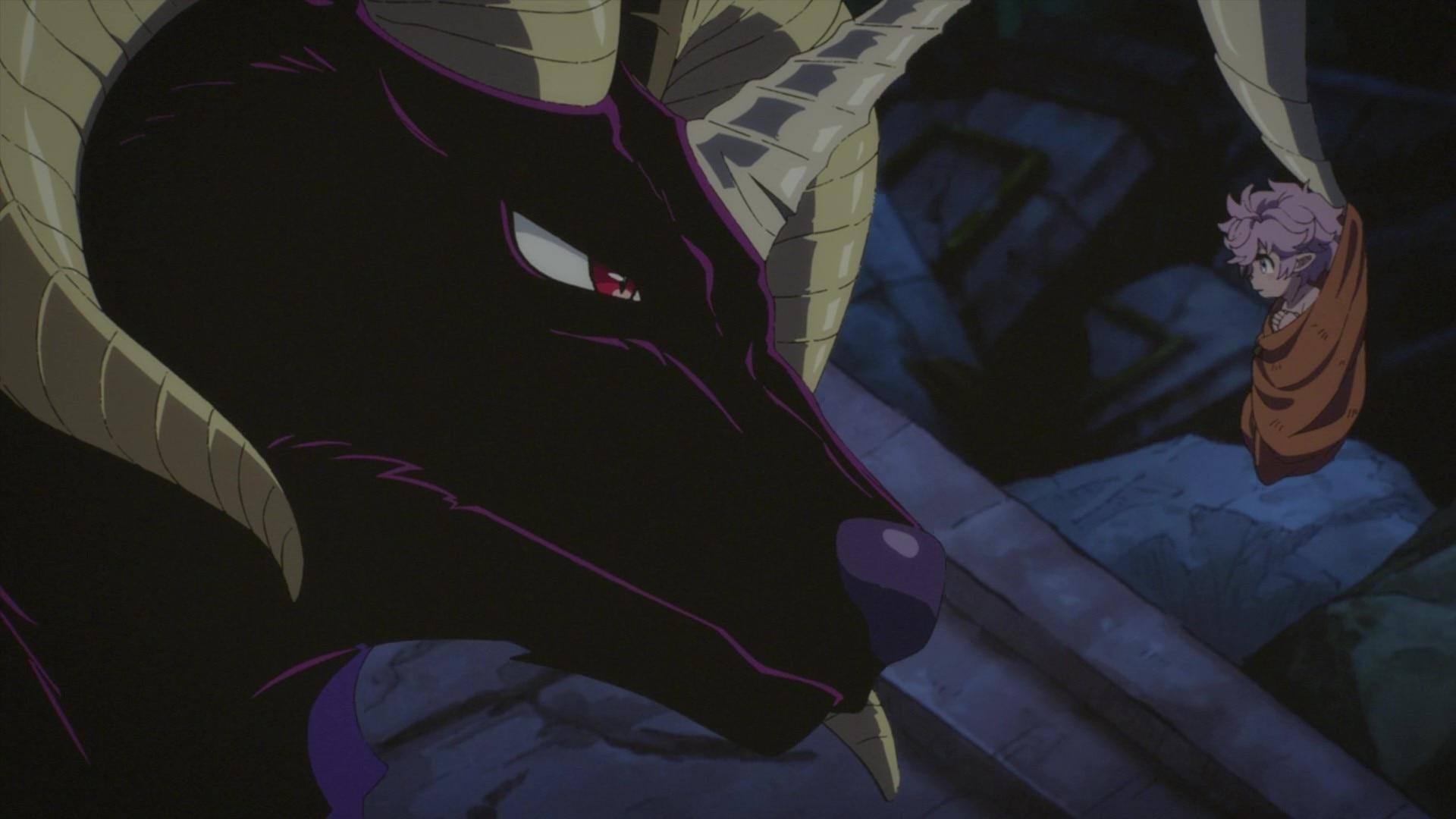 After eliminating the ill-fated group of heroes and destroying the Kingdom of Haiden in revenge, and while contemplating the alternative of annihilating humanity before leaving the ruined city, the evil creature hears a cry that captures its interest. Thus, buried in the rubble of the royal castle, Clevatess finds a living newborn baby, accompanied by a dying guardian. The latter, unafraid of being struck by the merciless entity, begs Clevatess before dying to save the infant, for by growing up, it could prove humanity's worth.
Consequently, intrigued by the potential of a lesser species, the fearsome creature agrees to raise the infant, who belongs to the royal family. Lacking any knowledge of how to treat a defenseless being and driven by the desire to witness the child's development, Clevatess decides to revive the champion Alicia to aid "him" in this final task and in a seemingly magnanimous attempt to examine human nature and understand their wicked motivations with which they are shaking up the world as they know it.
After eliminating the ill-fated group of heroes and destroying the Kingdom of Haiden in revenge, and while contemplating the alternative of annihilating humanity before leaving the ruined city, the evil creature hears a cry that captures its interest. Thus, buried in the rubble of the royal castle, Clevatess finds a living newborn baby, accompanied by a dying guardian. The latter, unafraid of being struck by the merciless entity, begs Clevatess before dying to save the infant, for by growing up, it could prove humanity's worth.
Consequently, intrigued by the potential of a lesser species, the fearsome creature agrees to raise the infant, who belongs to the royal family. Lacking any knowledge of how to treat a defenseless being and driven by the desire to witness the child's development, Clevatess decides to revive the champion Alicia to aid "him" in this final task and in a seemingly magnanimous attempt to examine human nature and understand their wicked motivations with which they are shaking up the world as they know it.

format(webp)) Thus, the beast assumes the humanoid identity of Klen, and after naming the child Luna the terrible creature will attempt to decipher, together with its reanimated subordinate Alicia, the complexities of a disconcerting and at times cruel species.
Also, aware of Luna's royal lineage, Alicia must try to protect him from danger to avoid a tragedy that would push Clevatess to unleash a catastrophe. In fact, based on its experience with the various populations in perpetual conflict with each other, Clevatess will judge whether they deserve to exist or disappear forever.
Alicia, Luna, and Klen (and later another girl, a hired nanny named Nelluru, who was a prostitute and a slave under the Ravens bandits) will set off on a journey to the continent of Edthea in order to discover civilization, while the delicate balance of power between the various nations inexorably crumbles...
Thus, the beast assumes the humanoid identity of Klen, and after naming the child Luna the terrible creature will attempt to decipher, together with its reanimated subordinate Alicia, the complexities of a disconcerting and at times cruel species.
Also, aware of Luna's royal lineage, Alicia must try to protect him from danger to avoid a tragedy that would push Clevatess to unleash a catastrophe. In fact, based on its experience with the various populations in perpetual conflict with each other, Clevatess will judge whether they deserve to exist or disappear forever.
Alicia, Luna, and Klen (and later another girl, a hired nanny named Nelluru, who was a prostitute and a slave under the Ravens bandits) will set off on a journey to the continent of Edthea in order to discover civilization, while the delicate balance of power between the various nations inexorably crumbles...
 ---
>#FINAL COMMENTS (INFO, ANALYSIS/PERSONAL IMPRESSIONS)
Based on the manga of the same name, written and illustrated by mangaka Yuji Iwahara, who also created another good fantasy (King of Thorn), Clevatess: The King of Magical Beasts (In Japanese: Clevatess: Majū no Ō to Akago to Shikabane no Yūsha) is most probably THE fantasy anime of the season, even carrying some of its flaws.
The anime adaptation is being developed by studio Lay-duce and it's directed by Kiyotaka Taguchi, with the expert Chief Animation Director Soichiro Sako designing the characters, series composition by Keigo Koyanagi, and Takuro Tsukada serving as animation director.
---
>#FINAL COMMENTS (INFO, ANALYSIS/PERSONAL IMPRESSIONS)
Based on the manga of the same name, written and illustrated by mangaka Yuji Iwahara, who also created another good fantasy (King of Thorn), Clevatess: The King of Magical Beasts (In Japanese: Clevatess: Majū no Ō to Akago to Shikabane no Yūsha) is most probably THE fantasy anime of the season, even carrying some of its flaws.
The anime adaptation is being developed by studio Lay-duce and it's directed by Kiyotaka Taguchi, with the expert Chief Animation Director Soichiro Sako designing the characters, series composition by Keigo Koyanagi, and Takuro Tsukada serving as animation director.
format(webp))



 Supported by a curious premise that lays the appropriate foundation for its quite unusual plot, Clevatess presents a compelling proposition that, from the very beginning, immerses the audience in a tense story. Using a narrative that doesn't shy away from exploring the darkest side of humanity, the work establishes the context of a violent environment, also addressing several explicit scenes: aspects that should be carefully considered before watching the anime. Thus encouraging the evolution of a fabulous plot, which, distinguished by the evocation of a peculiar atmosphere, arouses the audience's anticipation of how its protagonists will face numerous dilemmas in a world marked by suffering and despair.
Likewise, displaying a technical section of (according to myself) unique quality, from its striking visual aesthetics, some imaginative landscapes and evocative action sequences, to the composition of an interesting soundtrack, the adaptation introduces those kind of settings that can generate an immersive atmosphere. In addition to the above, the series stands out for its in-depth exploration of the interactions of its cast, showing various circumstances in which one can observe the evolution of the connections between the characters, as well as the evolution of each individual.
These virtues make this release a surprising preview that, in addition to being appreciated by dark fantasy enthusiasts, will keep all types of viewers enthralled as the episodes unfold.
---
>#WHY IT'S ONE OF MY "HIDDEN GEMS" OF THE YEAR: THE HIGHLIGHTS
That being said, after finished ep. 12 I'm genuinely convinced that Clevatess became one of the year's biggest surprises, by now. And if you haven't watched it yet, I will discuss the main good points in detail in order to convince y'all to give this anime a chance.
Supported by a curious premise that lays the appropriate foundation for its quite unusual plot, Clevatess presents a compelling proposition that, from the very beginning, immerses the audience in a tense story. Using a narrative that doesn't shy away from exploring the darkest side of humanity, the work establishes the context of a violent environment, also addressing several explicit scenes: aspects that should be carefully considered before watching the anime. Thus encouraging the evolution of a fabulous plot, which, distinguished by the evocation of a peculiar atmosphere, arouses the audience's anticipation of how its protagonists will face numerous dilemmas in a world marked by suffering and despair.
Likewise, displaying a technical section of (according to myself) unique quality, from its striking visual aesthetics, some imaginative landscapes and evocative action sequences, to the composition of an interesting soundtrack, the adaptation introduces those kind of settings that can generate an immersive atmosphere. In addition to the above, the series stands out for its in-depth exploration of the interactions of its cast, showing various circumstances in which one can observe the evolution of the connections between the characters, as well as the evolution of each individual.
These virtues make this release a surprising preview that, in addition to being appreciated by dark fantasy enthusiasts, will keep all types of viewers enthralled as the episodes unfold.
---
>#WHY IT'S ONE OF MY "HIDDEN GEMS" OF THE YEAR: THE HIGHLIGHTS
That being said, after finished ep. 12 I'm genuinely convinced that Clevatess became one of the year's biggest surprises, by now. And if you haven't watched it yet, I will discuss the main good points in detail in order to convince y'all to give this anime a chance.


 1. A DARK AND UNIQUE PLOT, ALTHOUGH NOT REVOLUTIONARY
The title falls into the dark fantasy category, featuring a fair amount of violence and bloodshed and a narrative that presents a fairly classic tale, that of the journey of the small group of protagonists, against the backdrop of political intrigue and clashes between various factions.
The story presents a dark and cruel world, where "gods" and "powerful beings" engage in political games and wars, creating a more mature and unpredictable atmosphere.
So, the "Horrible beast lord has to reluctantly raise a baby and learns about humans and their struggles along the way" premise is merely the gateway to a much more complex dark fantasy universe.
Furthermore, the fact that "magic" (often referred to as "alchemy") is a concept whose existence has not yet been acknowledged, especially among ordinary mortals, but which is slowly emerging and which proves decisive in the course of battles, makes this role-playing game even more intriguing.
1. A DARK AND UNIQUE PLOT, ALTHOUGH NOT REVOLUTIONARY
The title falls into the dark fantasy category, featuring a fair amount of violence and bloodshed and a narrative that presents a fairly classic tale, that of the journey of the small group of protagonists, against the backdrop of political intrigue and clashes between various factions.
The story presents a dark and cruel world, where "gods" and "powerful beings" engage in political games and wars, creating a more mature and unpredictable atmosphere.
So, the "Horrible beast lord has to reluctantly raise a baby and learns about humans and their struggles along the way" premise is merely the gateway to a much more complex dark fantasy universe.
Furthermore, the fact that "magic" (often referred to as "alchemy") is a concept whose existence has not yet been acknowledged, especially among ordinary mortals, but which is slowly emerging and which proves decisive in the course of battles, makes this role-playing game even more intriguing.

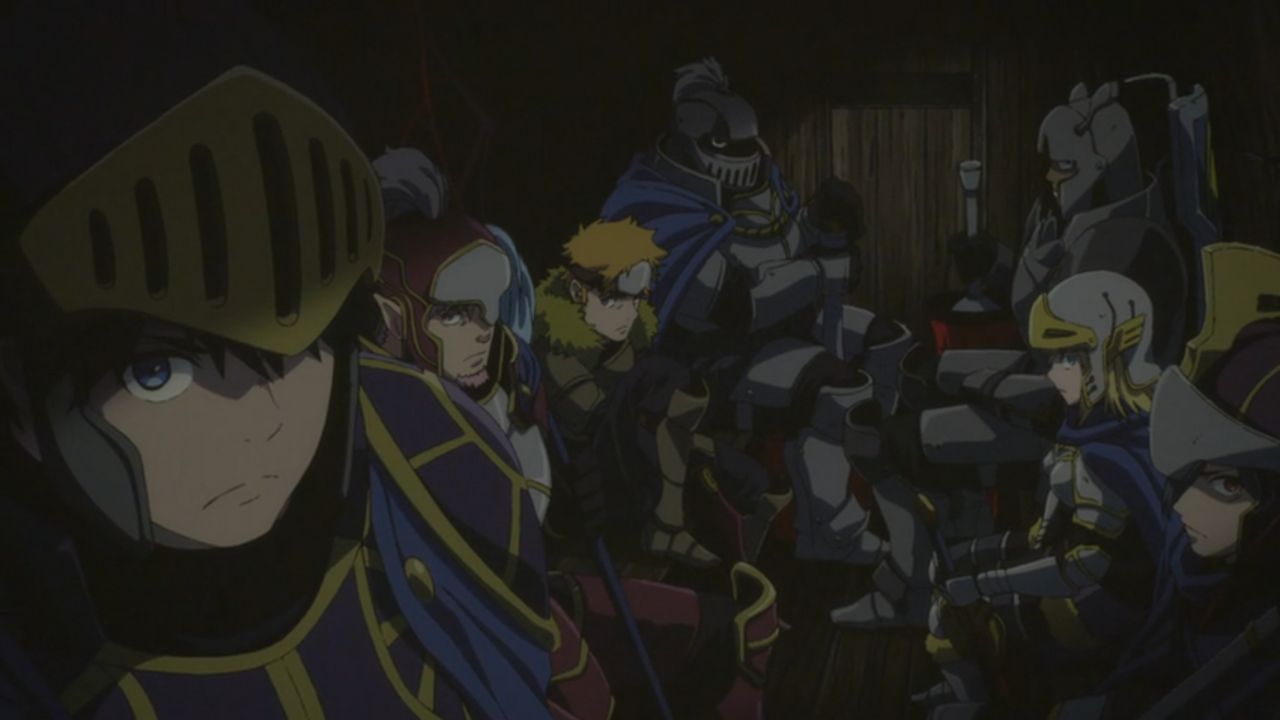 2. A (POTENTIALLY) RICH AND DEEP WORLDBUILDING
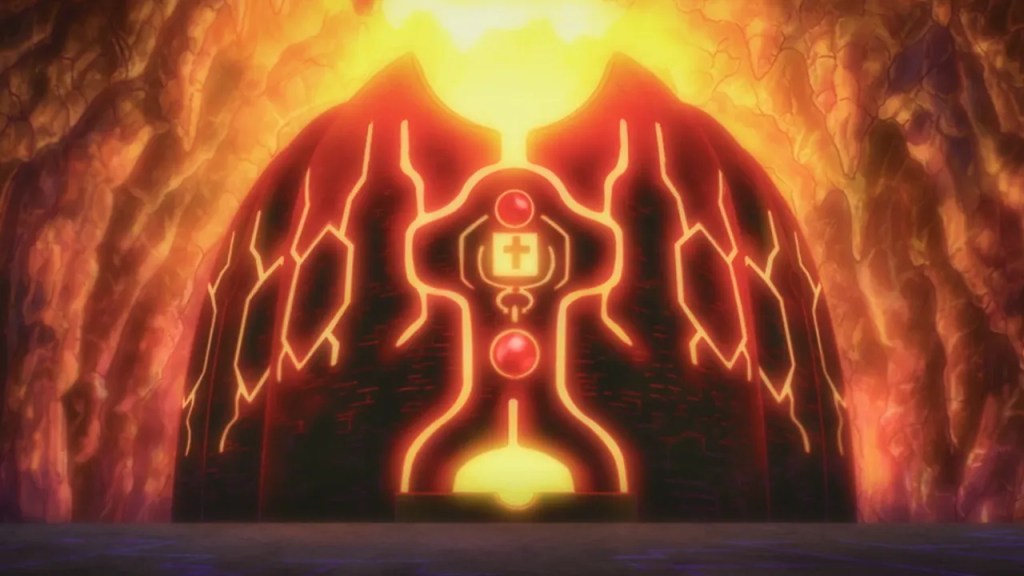
Personally, I loved that this series devotes significant attention to the development of its mythology, religion, and the geopolitics between kingdoms, such as the Boelate Empire. This gives the feeling that the universe is "alive" and layered, reminiscent of dense works like Made in Abyss or Attack on Titan.
And, as for me, I think he worldbuilding is potentially well structured in its basics, though it doesn't stray too much far from fairly classic stereotypes, and allows for an immediate understanding of both the various competing factions and the power dynamics that develop over the course of events, without running the risk of getting lost in an endless list of names.
2. A (POTENTIALLY) RICH AND DEEP WORLDBUILDING
Personally, I loved that this series devotes significant attention to the development of its mythology, religion, and the geopolitics between kingdoms, such as the Boelate Empire. This gives the feeling that the universe is "alive" and layered, reminiscent of dense works like Made in Abyss or Attack on Titan.
And, as for me, I think he worldbuilding is potentially well structured in its basics, though it doesn't stray too much far from fairly classic stereotypes, and allows for an immediate understanding of both the various competing factions and the power dynamics that develop over the course of events, without running the risk of getting lost in an endless list of names.



 3. CONSTANT ELEMENTS OF MYSTERY AND INTRIGUE
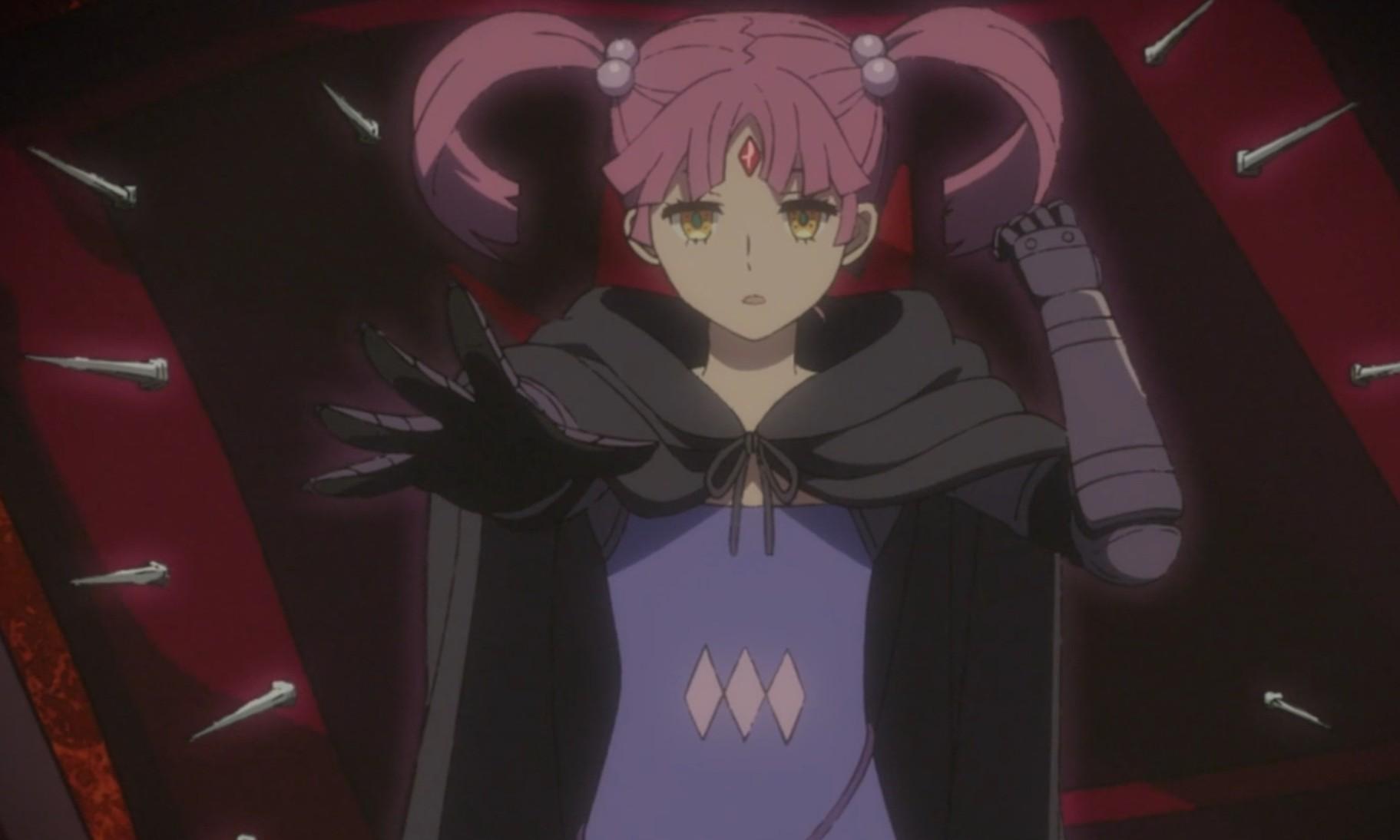
Linked to this, the constant mystery and intrigue is another strong point, since I think the series excels at building suspense and creating the sense of deep, hidden secrets. Elements like the Book of Toah and mysterious entities like the Four Calamities keep the audience intrigued with each episode, always wanting to learn more about the world's mythology.
To give some practical examples: for much of its run, Clevatess may gave the impression it would be another familiar fantasy anime. However, that sense of "déjà vù" changed completely starting by Episode 11.
3. CONSTANT ELEMENTS OF MYSTERY AND INTRIGUE
Linked to this, the constant mystery and intrigue is another strong point, since I think the series excels at building suspense and creating the sense of deep, hidden secrets. Elements like the Book of Toah and mysterious entities like the Four Calamities keep the audience intrigued with each episode, always wanting to learn more about the world's mythology.
To give some practical examples: for much of its run, Clevatess may gave the impression it would be another familiar fantasy anime. However, that sense of "déjà vù" changed completely starting by Episode 11.
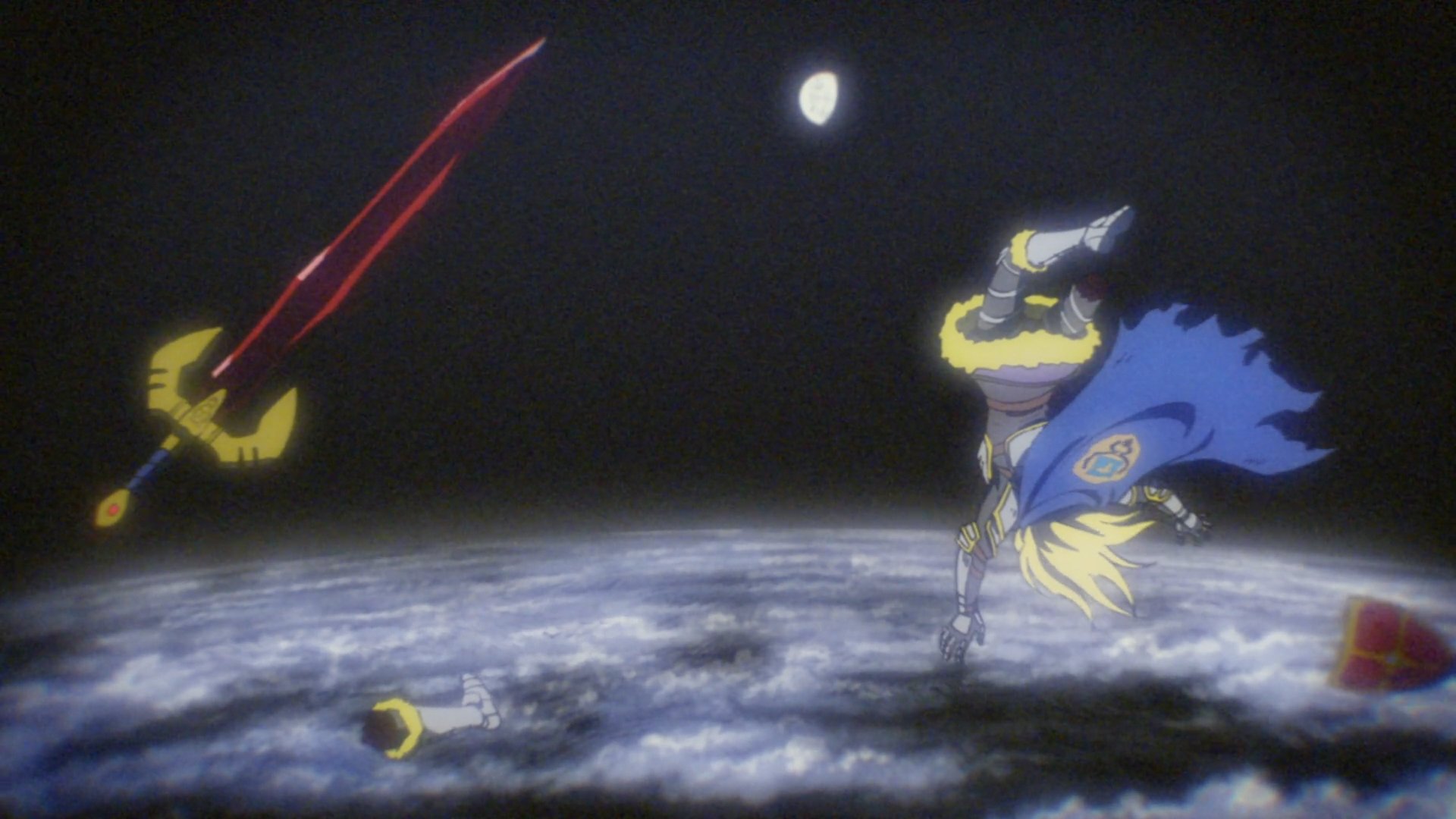


 In this specific ep., instead of focusing on the usual “good versus evil” setup, the show through a plotwist revealed a much bigger truth: the entire war between humans and demons had been built on lies.
So, the final episode is set to build on the shocking twist from this episode, where the long-standing “13 Heroes” tradition was revealed to be a complete lie. Luna's hidden identity as Haidenrius stunned both viewers and characters alike, while Klen discovered that the Book of Torh had been manipulating his legacy all along.
That moment added real weight to the series. Alicia, who started as a background fighter and was even killed off in Episode 1, but was immediately resurrected by Clevatess and showed she might actually be the story’s true hero. As for Klen, usually distant and all-knowing, suddenly broke down laughing at the absurdity of the world. These shifts gave the show depth it didn’t seem to have at first.
Considering how much of the manga still hasn’t been adapted, it seems season 1 feels more like the opening act than a complete tale, which makes a Season 2 announcement feel almost inevitable (EDIT: and so it was XD).
4. AN INTENSE AND (TOO) MATURE ATMOSPHERE
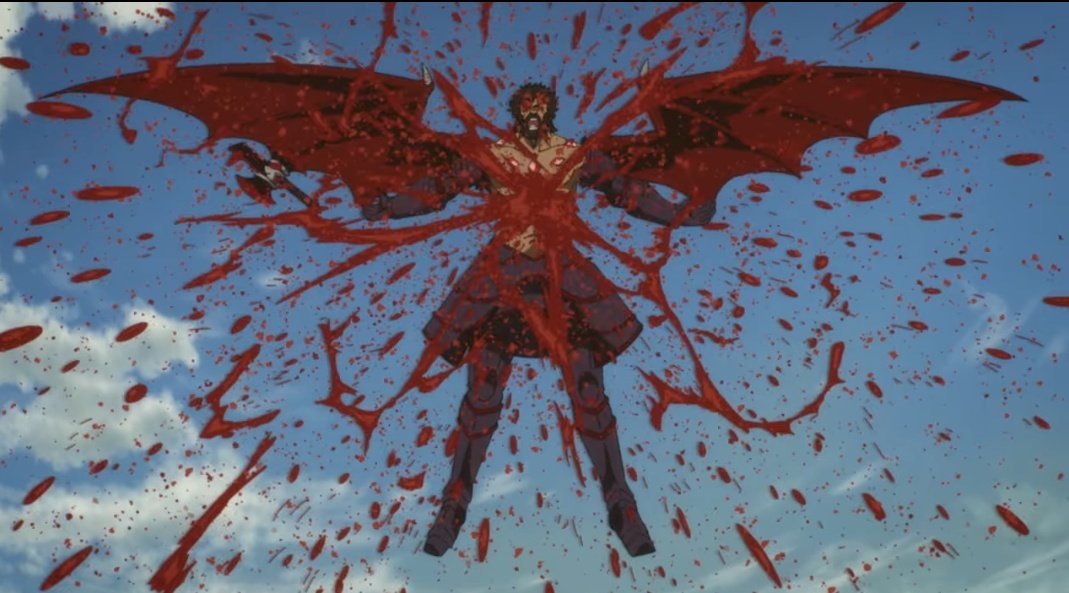
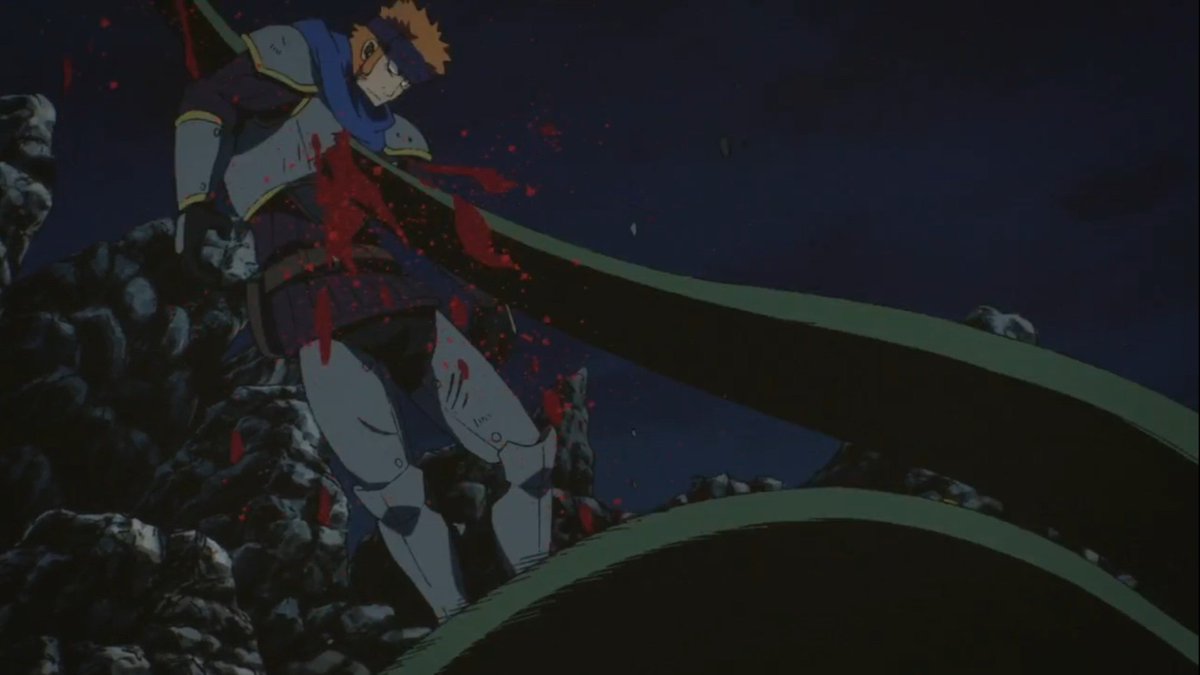
But the aspect that I'm sure will please the fans of this niche genre the most is the intense and mature atmosphere. As I said previously, Clevatess is not a "light" epic fantasy at all: it tackles heavy themes, features brutal battles, and reflects on ambition, power, and destiny. It's the ideal choice for those looking for a more serious fantasy, different from the standard lighthearted adventures. For in, Clevatess Episode 3 picks up directly where the second episode leaves off with Alicia suddenly reawakening to her mangled body. And while Clevatess has a quaint discussion with Alicia about the nuances of being a rogue bandit, her neck is twisted completely the wrong way. This brutal scene is somewhat horrifying to watch, but in line with the rest of the epic but merciless "seinen" series.
In this specific ep., instead of focusing on the usual “good versus evil” setup, the show through a plotwist revealed a much bigger truth: the entire war between humans and demons had been built on lies.
So, the final episode is set to build on the shocking twist from this episode, where the long-standing “13 Heroes” tradition was revealed to be a complete lie. Luna's hidden identity as Haidenrius stunned both viewers and characters alike, while Klen discovered that the Book of Torh had been manipulating his legacy all along.
That moment added real weight to the series. Alicia, who started as a background fighter and was even killed off in Episode 1, but was immediately resurrected by Clevatess and showed she might actually be the story’s true hero. As for Klen, usually distant and all-knowing, suddenly broke down laughing at the absurdity of the world. These shifts gave the show depth it didn’t seem to have at first.
Considering how much of the manga still hasn’t been adapted, it seems season 1 feels more like the opening act than a complete tale, which makes a Season 2 announcement feel almost inevitable (EDIT: and so it was XD).
4. AN INTENSE AND (TOO) MATURE ATMOSPHERE
But the aspect that I'm sure will please the fans of this niche genre the most is the intense and mature atmosphere. As I said previously, Clevatess is not a "light" epic fantasy at all: it tackles heavy themes, features brutal battles, and reflects on ambition, power, and destiny. It's the ideal choice for those looking for a more serious fantasy, different from the standard lighthearted adventures. For in, Clevatess Episode 3 picks up directly where the second episode leaves off with Alicia suddenly reawakening to her mangled body. And while Clevatess has a quaint discussion with Alicia about the nuances of being a rogue bandit, her neck is twisted completely the wrong way. This brutal scene is somewhat horrifying to watch, but in line with the rest of the epic but merciless "seinen" series.



 5. A CAST OF COMPELLING AND MORALLY GRAY CHARACTERS
Unlike anime where heroes and villains are well-defined, here many characters navigate gray areas. Clevatess, Alicia, and even the villains have their own complex motivations, sometimes making it difficult to predict who is truly an ally or an enemy.
Plus, although the series' structure is fairly classic, the dynamic created between the three main protagonists seems to work well, even allowing for some brief comic relief that lightens the tension without significantly ruining the overall tone of the whole story.
5. A CAST OF COMPELLING AND MORALLY GRAY CHARACTERS
Unlike anime where heroes and villains are well-defined, here many characters navigate gray areas. Clevatess, Alicia, and even the villains have their own complex motivations, sometimes making it difficult to predict who is truly an ally or an enemy.
Plus, although the series' structure is fairly classic, the dynamic created between the three main protagonists seems to work well, even allowing for some brief comic relief that lightens the tension without significantly ruining the overall tone of the whole story.


 -----
THE PROTAGONISTS
ALICIA GLENFALL, a.k.a. THE CORPSE HERO (probably my fav one <3)
-----
THE PROTAGONISTS
ALICIA GLENFALL, a.k.a. THE CORPSE HERO (probably my fav one <3)
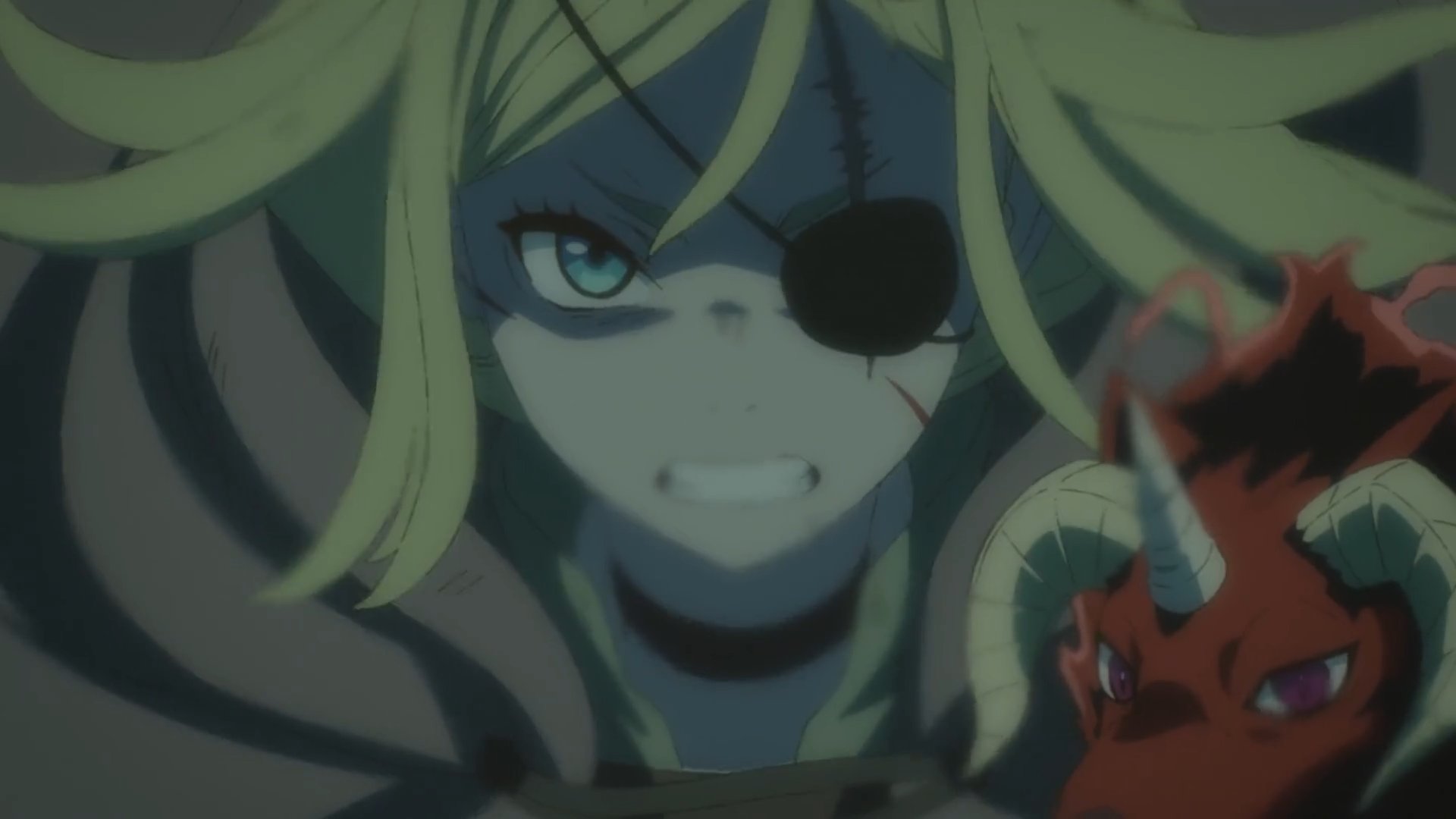
 At the center of this story there is Alicia Glenfall, a character who represents both the shining light of heroism and the crushing reality of failure. She's not just another swordswoman swinging her blade against monsters, but a symbol of what it means to chase glory, fall from grace, and still find a reason to carry on.
At the very beginning, Alicia didn’t defeat the great monster king: instead, she lost, died tragically, and was reborn into a life tied to the very creature she once sought to destroy.
And even if this championess is indeed a fairly basic character, shaped largely by a desire for personal revenge, she is simultaneously held in the balance between life and death by a powerful demon. And while Alicia is now forced to obey his wishes like an empty puppet, she also was fortunate enough to return to life (and to do so several times), having the opportunity to settle her own scores and uncover the hypocrisies of the world she's always fought for, so she still clings to her identity as a hero.
In fact, Alicia’s most important relationship is with Clevatess itself. As her killer and her resurrector, Clevatess embodies everything Alicia hates, yet also everything that keeps her alive. This makes their bond (filled with tension, reluctance, and a strange dependency) fascinating since now, instead of serving the kingdom, she exists in service to the very being she tried to destroy. This cruel irony defines her origin within the anime and sets up her role as both fallen hero and reluctant servant.
Also, caring for the royal child not only softens her role but also allows her to feel like she has reclaimed some of her former heroism. In her eyes, protecting this innocent life is a form of personal redemption.
Her whole (back)story makes Alicia one of the most fascinating figure in Clevatess for fans looking for a character (and particularly, a waifu) who embodies both tragedy and resilience.
As a chosen hero, Alicia is skilled in combat, particularly with her dual swords, and her fighting style is practical and rugged, reflecting her training and battlefield experience. Alicia’s strength lies in her swordsmanship, endurance, and sharp reflexes but after her resurrection. Plus, she became even stronger since she gains an unnatural "blood-connection" to Clevatess.
Although very classical in its structure, I really loved her very tragic story so far (from her father's death until her own), and how she is able to muster the guts to keep trying to be a hero, despite her significant set backs (trying not to spoil things).
"MOONLIGHT" CLEVATESS /KLEN
At the center of this story there is Alicia Glenfall, a character who represents both the shining light of heroism and the crushing reality of failure. She's not just another swordswoman swinging her blade against monsters, but a symbol of what it means to chase glory, fall from grace, and still find a reason to carry on.
At the very beginning, Alicia didn’t defeat the great monster king: instead, she lost, died tragically, and was reborn into a life tied to the very creature she once sought to destroy.
And even if this championess is indeed a fairly basic character, shaped largely by a desire for personal revenge, she is simultaneously held in the balance between life and death by a powerful demon. And while Alicia is now forced to obey his wishes like an empty puppet, she also was fortunate enough to return to life (and to do so several times), having the opportunity to settle her own scores and uncover the hypocrisies of the world she's always fought for, so she still clings to her identity as a hero.
In fact, Alicia’s most important relationship is with Clevatess itself. As her killer and her resurrector, Clevatess embodies everything Alicia hates, yet also everything that keeps her alive. This makes their bond (filled with tension, reluctance, and a strange dependency) fascinating since now, instead of serving the kingdom, she exists in service to the very being she tried to destroy. This cruel irony defines her origin within the anime and sets up her role as both fallen hero and reluctant servant.
Also, caring for the royal child not only softens her role but also allows her to feel like she has reclaimed some of her former heroism. In her eyes, protecting this innocent life is a form of personal redemption.
Her whole (back)story makes Alicia one of the most fascinating figure in Clevatess for fans looking for a character (and particularly, a waifu) who embodies both tragedy and resilience.
As a chosen hero, Alicia is skilled in combat, particularly with her dual swords, and her fighting style is practical and rugged, reflecting her training and battlefield experience. Alicia’s strength lies in her swordsmanship, endurance, and sharp reflexes but after her resurrection. Plus, she became even stronger since she gains an unnatural "blood-connection" to Clevatess.
Although very classical in its structure, I really loved her very tragic story so far (from her father's death until her own), and how she is able to muster the guts to keep trying to be a hero, despite her significant set backs (trying not to spoil things).
"MOONLIGHT" CLEVATESS /KLEN
 With absolute dominion over light and darkness, this monstrous being that resembles a mixture of a lion, a ram, and a wolf has been guarding the Southern border from times immemorial (its title was inherited around 1000 years prior to the beginning of the series). As one of the Beast Kings, though it itself is not the first Beast King of the South ever, Clevatess holds the title of one of the strongest creatures in the world: its power is so great, that it was able to wipe out an entire capital in a single night.
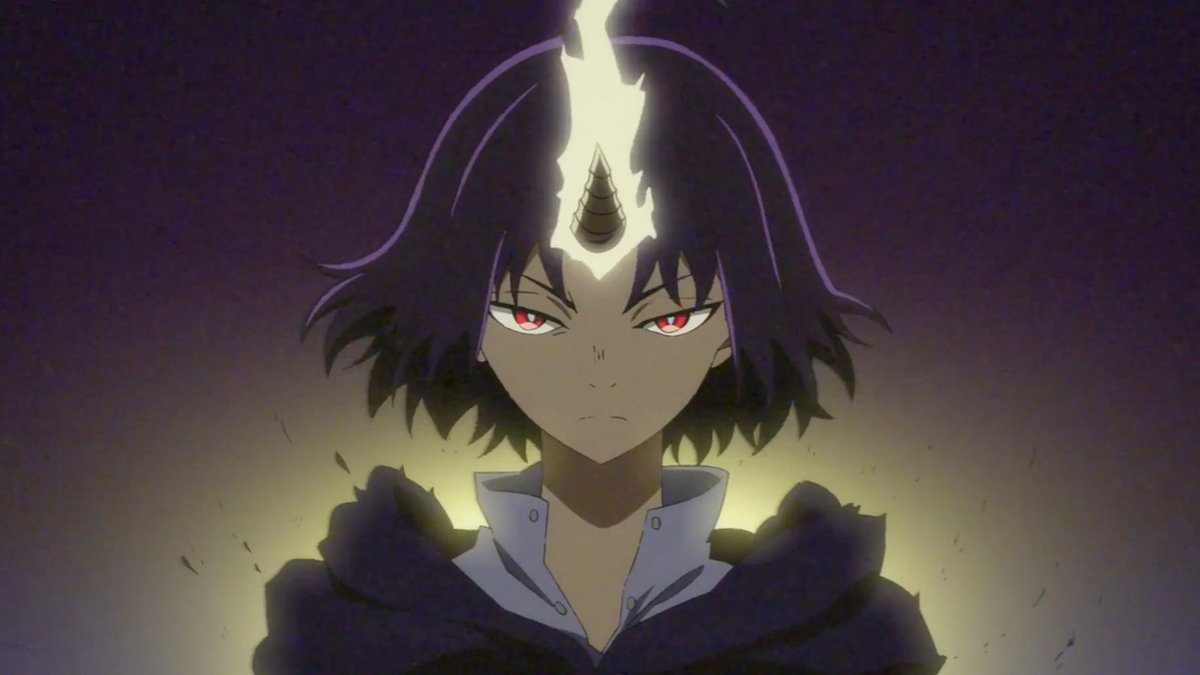
Though vulnerable in its human shape (Klen), Clevatess is scheming, holds the wisdom of ages, and has defeated hundreds of generations of heroes armed with the "Manahydrite weapons".
And for some specific reason, the last king of Hyden, Hydelius V, recognizes Clevatess as "the strongest and last barrier of the hominid races" to break through "the limits of the world".
Clevatess, in turn, has felt the pull of curiosity for the mortals and their ways, and the only reason why it doesn't exterminate all of humanity is that same curiosity that has pulled it out of seclusion. Otherwise, it could very well wipe out all of the human kingdoms if he desired.
I think Klen/Clevatess steals the show both as a Demonic Beast and as a disturbing and androgynous "bad boy," and the dynamic between "him" and Alicia is probably the most successful element of the series. For instance, I believe the way how much Clevatess challenges her zombified subject's beliefs and motivations, having her humanity questioned, is a super interesting topic.
NELLURU/NELL and LUNA
With absolute dominion over light and darkness, this monstrous being that resembles a mixture of a lion, a ram, and a wolf has been guarding the Southern border from times immemorial (its title was inherited around 1000 years prior to the beginning of the series). As one of the Beast Kings, though it itself is not the first Beast King of the South ever, Clevatess holds the title of one of the strongest creatures in the world: its power is so great, that it was able to wipe out an entire capital in a single night.
Though vulnerable in its human shape (Klen), Clevatess is scheming, holds the wisdom of ages, and has defeated hundreds of generations of heroes armed with the "Manahydrite weapons".
And for some specific reason, the last king of Hyden, Hydelius V, recognizes Clevatess as "the strongest and last barrier of the hominid races" to break through "the limits of the world".
Clevatess, in turn, has felt the pull of curiosity for the mortals and their ways, and the only reason why it doesn't exterminate all of humanity is that same curiosity that has pulled it out of seclusion. Otherwise, it could very well wipe out all of the human kingdoms if he desired.
I think Klen/Clevatess steals the show both as a Demonic Beast and as a disturbing and androgynous "bad boy," and the dynamic between "him" and Alicia is probably the most successful element of the series. For instance, I believe the way how much Clevatess challenges her zombified subject's beliefs and motivations, having her humanity questioned, is a super interesting topic.
NELLURU/NELL and LUNA
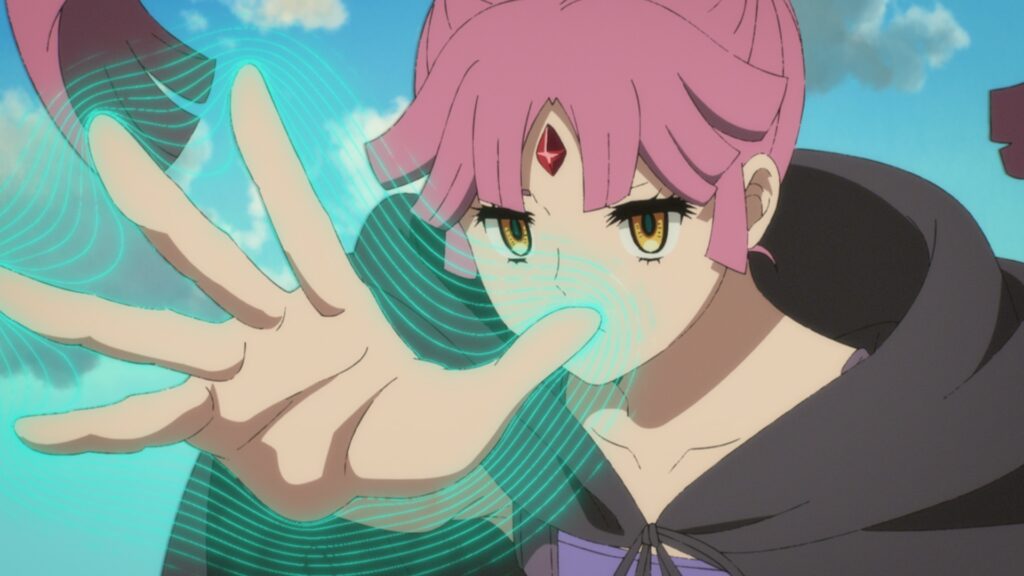
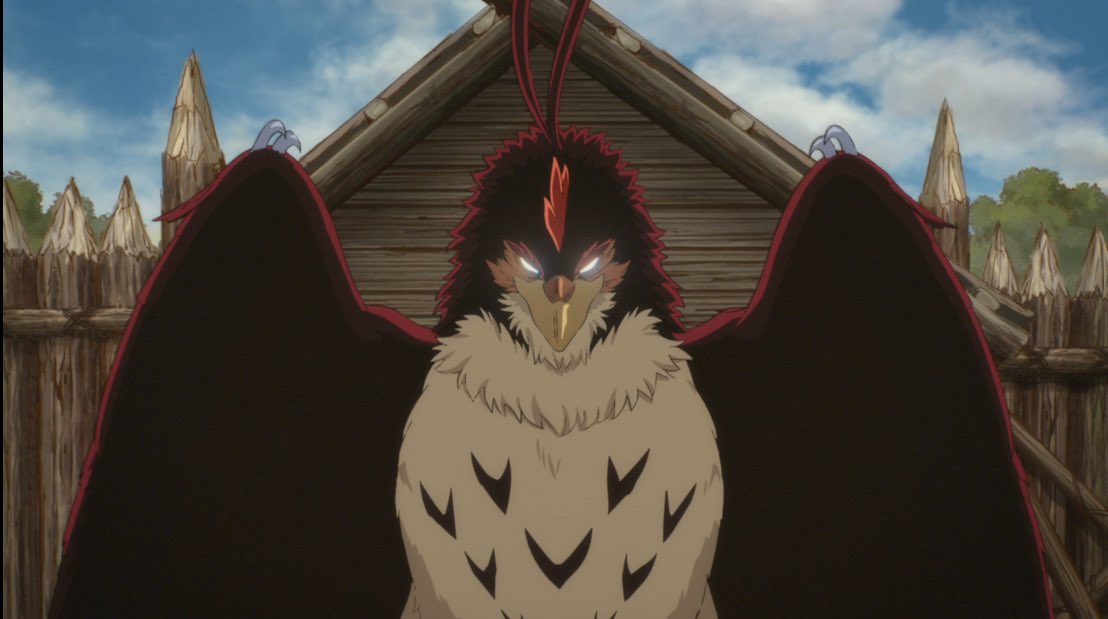
 Nelluru (or Nell) is Luna's nurse and a survivor of unspeakable cruelty in the lair of the "Crows" bandits. In fact, she was a former slave and in the beginning her appearance is totally unkempt and neglected and her speech is hesitant, making her an outcast and a victim of abuse of all kinds. But, after spending her entire childhood deprived of freedom and dignity, Nelluru remains marked by a profound humility, and due to an innate maternal instinct she shows rare courage by protecting Luna to the end, even when her own life was at stake.
If we all have seen what Nell has gone through, we clearly understand that if anyone is worthy of a second chance, it's Nell herself. So, after being brutally attacked by her owner and nearly killed, she's brought back to life with Klen's magical abilities, gaining a new brand body, a prodigious strength and an incredible resilience.
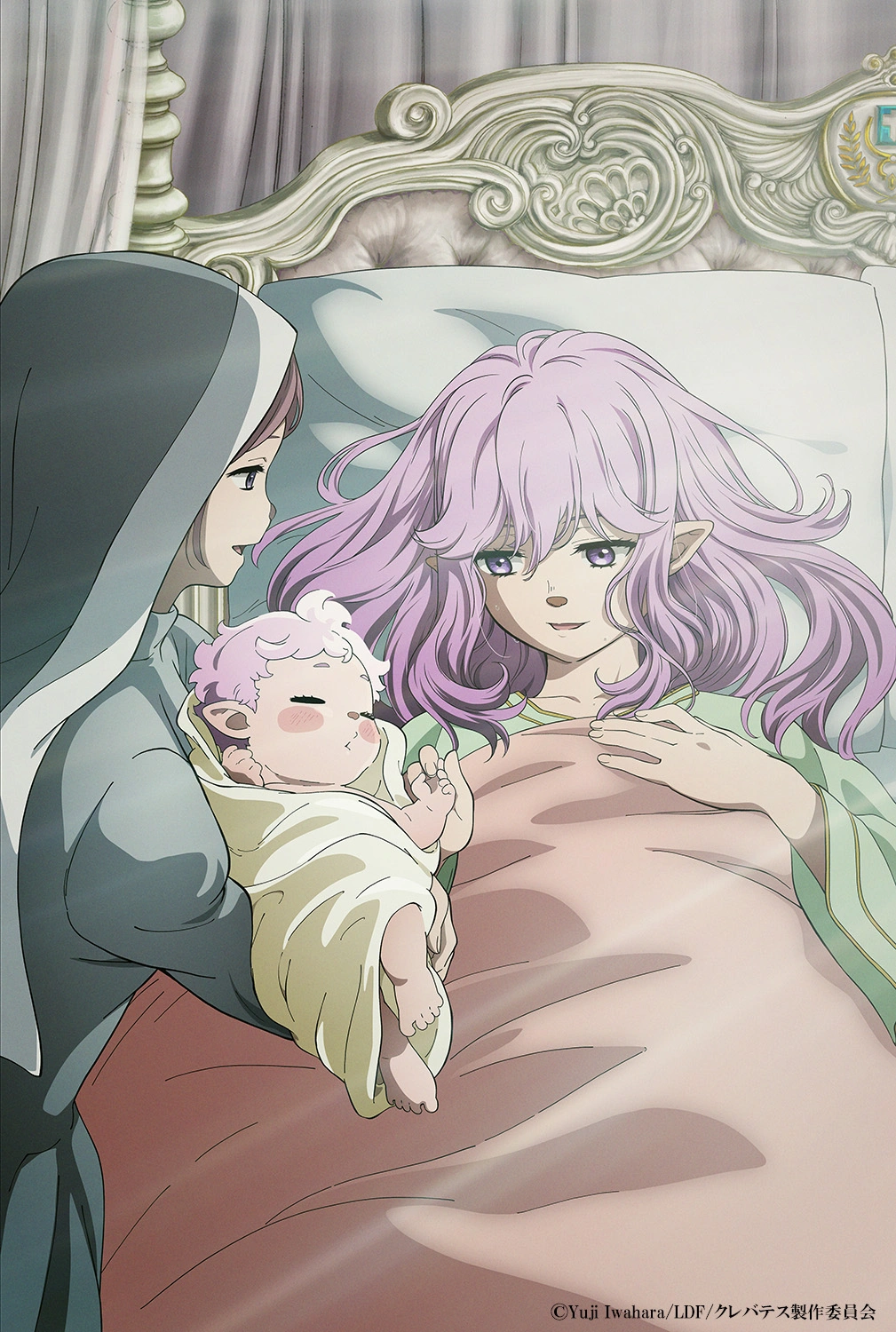
Luna is the royal newborn, guardian of the future of all his people and the only son of the crown princess T'ala Mort Anzetta, who can't inherit the throne all alone. He's silent and insightful and he's entrusted to the care of Alicia, Klen and Nelluru.
Not gonna lie, both Nell and Luna are such cute and reletable characters, and even if they are the "weakest" members by now, I'm glad they are part of the group. That scene in ep. 12 in which Luna finally learns to walk by himself and reaches her mother on foot, or when the princess deeply thanks Nelluru for nurturing her son was truly touching and does justice to their development. I truly hope T'ala will hire Nelluru as part of her staff so she can continue caring for Luna.
Nelluru (or Nell) is Luna's nurse and a survivor of unspeakable cruelty in the lair of the "Crows" bandits. In fact, she was a former slave and in the beginning her appearance is totally unkempt and neglected and her speech is hesitant, making her an outcast and a victim of abuse of all kinds. But, after spending her entire childhood deprived of freedom and dignity, Nelluru remains marked by a profound humility, and due to an innate maternal instinct she shows rare courage by protecting Luna to the end, even when her own life was at stake.
If we all have seen what Nell has gone through, we clearly understand that if anyone is worthy of a second chance, it's Nell herself. So, after being brutally attacked by her owner and nearly killed, she's brought back to life with Klen's magical abilities, gaining a new brand body, a prodigious strength and an incredible resilience.
Luna is the royal newborn, guardian of the future of all his people and the only son of the crown princess T'ala Mort Anzetta, who can't inherit the throne all alone. He's silent and insightful and he's entrusted to the care of Alicia, Klen and Nelluru.
Not gonna lie, both Nell and Luna are such cute and reletable characters, and even if they are the "weakest" members by now, I'm glad they are part of the group. That scene in ep. 12 in which Luna finally learns to walk by himself and reaches her mother on foot, or when the princess deeply thanks Nelluru for nurturing her son was truly touching and does justice to their development. I truly hope T'ala will hire Nelluru as part of her staff so she can continue caring for Luna.

 ---
>#Digression on the ANIMATION & the MUSIC SECTOR
The show’s animation comes from Lay-duce, and while some quieter scenes are fairly standard, the action has consistently delivered.
So, speaking of the technical execution, Clevatess also maintains acceptable standards, with very few flashes, yes, but at a very decent average level for a serialized product.
The character and background designs and animations are functional, and the animation style itself is sort of retro but establishing it as a brand new anime.
The grainy look with the film grain with the flat tone coloring the characters mixed really well.
That being said, I'd say Clevatess has been a quite surprising show in terms of the quality because, even if the production staff don't really have anything notable, this time they're adapting this old style-like anime really well.
On the music side, this anime has stood out for its unusual mix of talent. The opening, “Ruler” by Mayu Maeshima, is a powerful theme that sets the tone right away, while the ending, “Destiny” by Ellie Goulding (o__O!), adds an unexpected international flavor that works surprisingly well.
---
>#Digression on the ANIMATION & the MUSIC SECTOR
The show’s animation comes from Lay-duce, and while some quieter scenes are fairly standard, the action has consistently delivered.
So, speaking of the technical execution, Clevatess also maintains acceptable standards, with very few flashes, yes, but at a very decent average level for a serialized product.
The character and background designs and animations are functional, and the animation style itself is sort of retro but establishing it as a brand new anime.
The grainy look with the film grain with the flat tone coloring the characters mixed really well.
That being said, I'd say Clevatess has been a quite surprising show in terms of the quality because, even if the production staff don't really have anything notable, this time they're adapting this old style-like anime really well.
On the music side, this anime has stood out for its unusual mix of talent. The opening, “Ruler” by Mayu Maeshima, is a powerful theme that sets the tone right away, while the ending, “Destiny” by Ellie Goulding (o__O!), adds an unexpected international flavor that works surprisingly well.


 ---
---
>#In conclusion: THE NEXT BIG FANTASY ANIME?
---
---
>#In conclusion: THE NEXT BIG FANTASY ANIME?

 A fantastic and compelling world, as are the characters and the plot so far, all seasoned with brutal action. Maybe I'm exaggerating, but Clevatess has easily become this summer's breakout anime. And due to a very stacked season, I don't think it's getting the attention it deserves.
Furthermore, I think it has the potential to be one of the best dark fantasy series of the last decade. But for now, we'll have to wait for it.
if you aren't in the mood for OP protagonists and tits, but simply enjoy medieval violence and "bad guys who get bad things done and finally meet a very bad end", you should just check out this anime.
No isekai, no harems, no RPG mechanics. Just a pure, grotesque, and gratuitous fantasy journey.
In conclusion: give Clevatess a try, I'm sure you won't regret it. ^^
A fantastic and compelling world, as are the characters and the plot so far, all seasoned with brutal action. Maybe I'm exaggerating, but Clevatess has easily become this summer's breakout anime. And due to a very stacked season, I don't think it's getting the attention it deserves.
Furthermore, I think it has the potential to be one of the best dark fantasy series of the last decade. But for now, we'll have to wait for it.
if you aren't in the mood for OP protagonists and tits, but simply enjoy medieval violence and "bad guys who get bad things done and finally meet a very bad end", you should just check out this anime.
No isekai, no harems, no RPG mechanics. Just a pure, grotesque, and gratuitous fantasy journey.
In conclusion: give Clevatess a try, I'm sure you won't regret it. ^^
format(webp))
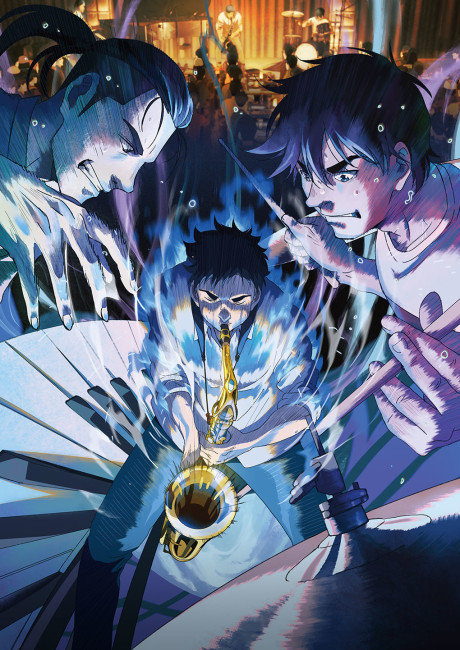




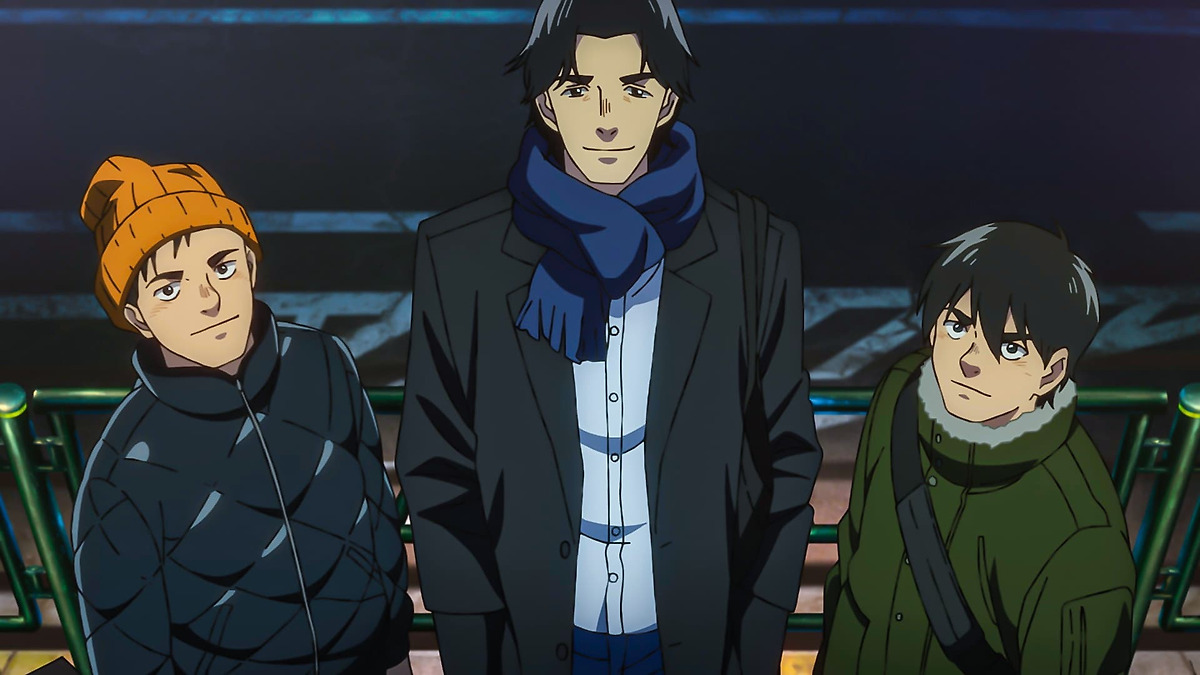


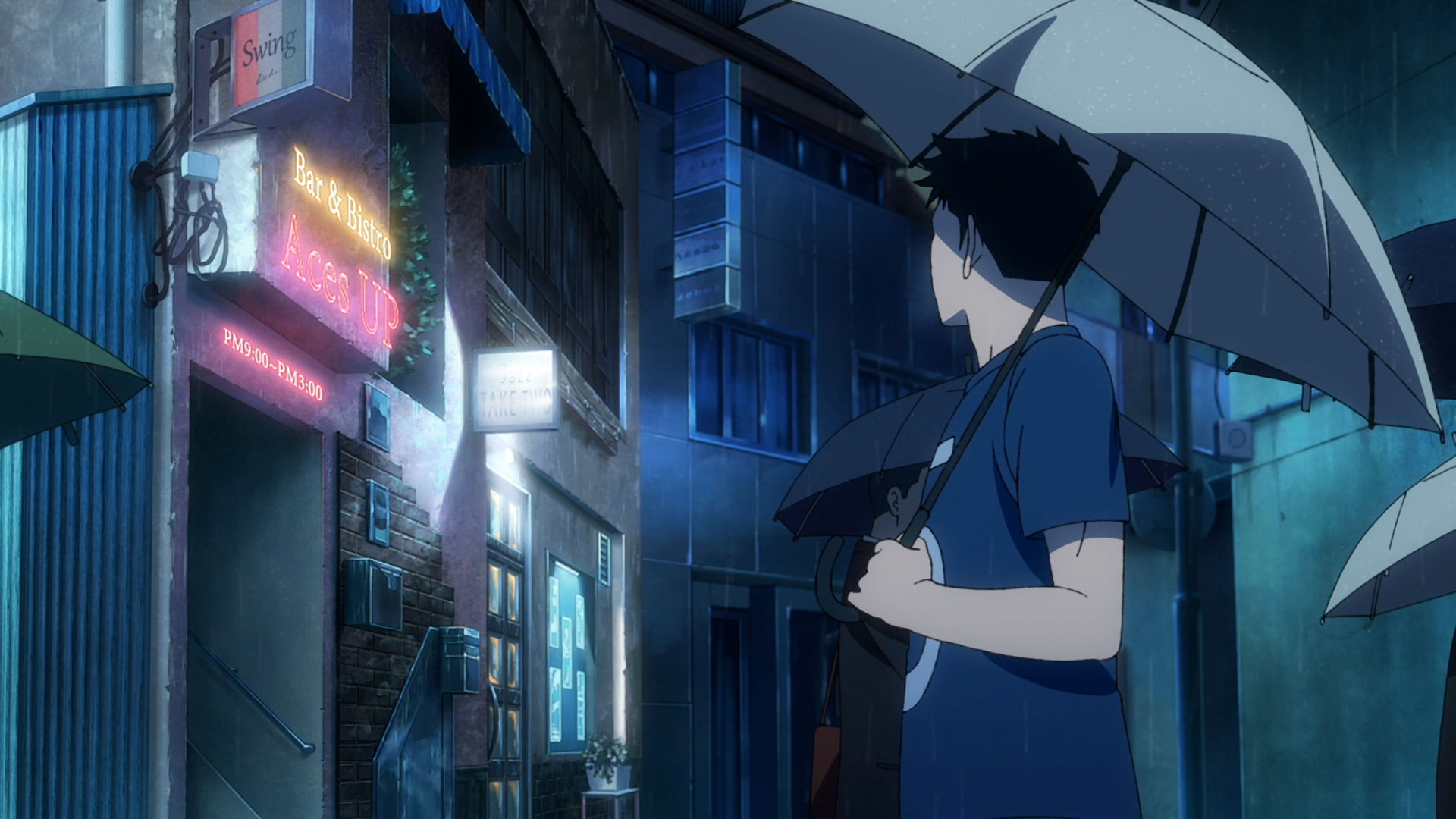
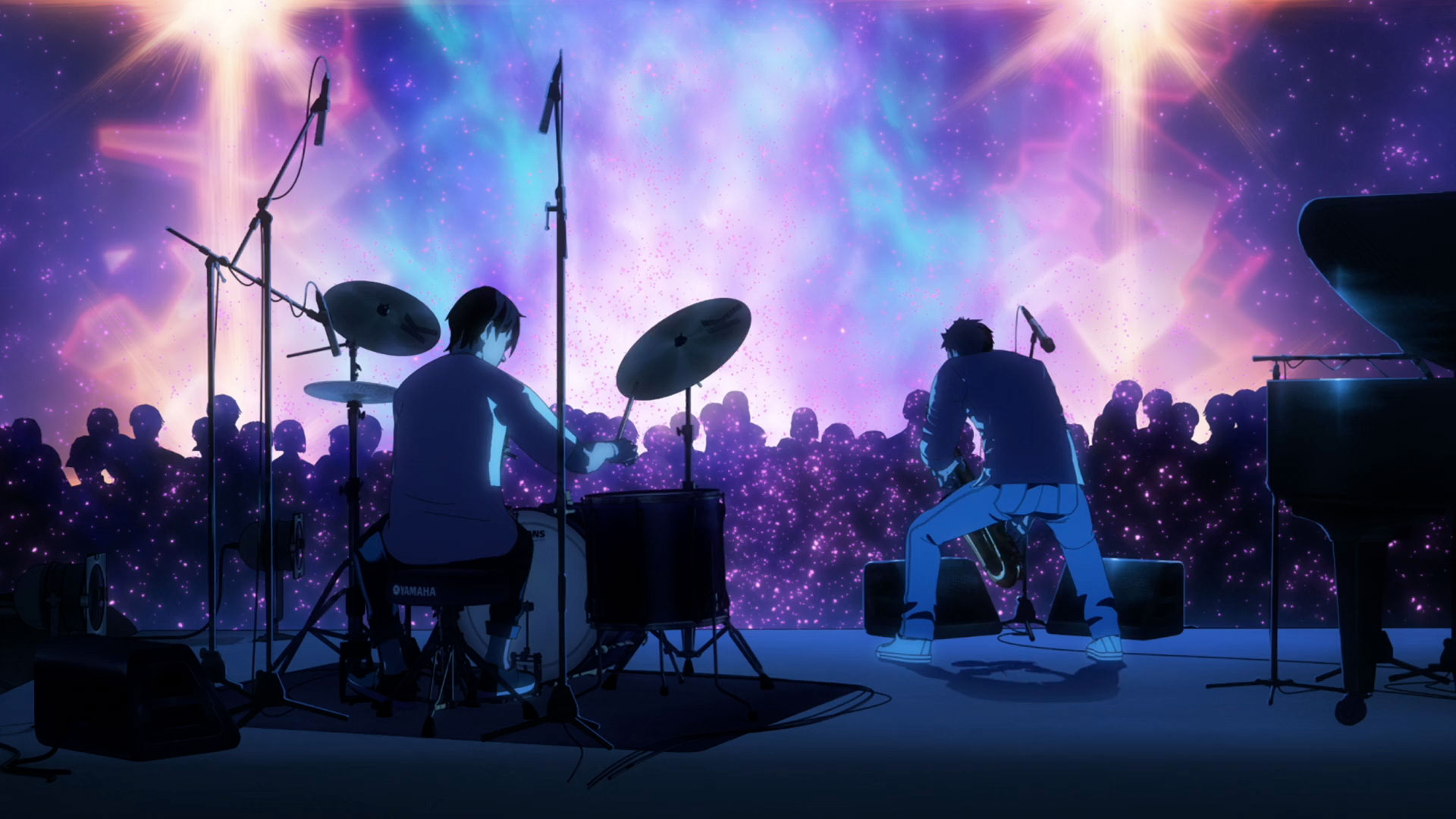


...But WHY SO BLUE? In astrophysical language, a blue giant is a star that, due to too high a temperature, abandons the red spectrum and becomes blue. As the name itself suggests, it usually has gigantic dimensions compared to common stars but a very short life span instead.
And this celestial body (as well as its choice as the main title) is a perfect metaphor for the bright and inextinguishable passion that burns in the hearts of the three young musicians.
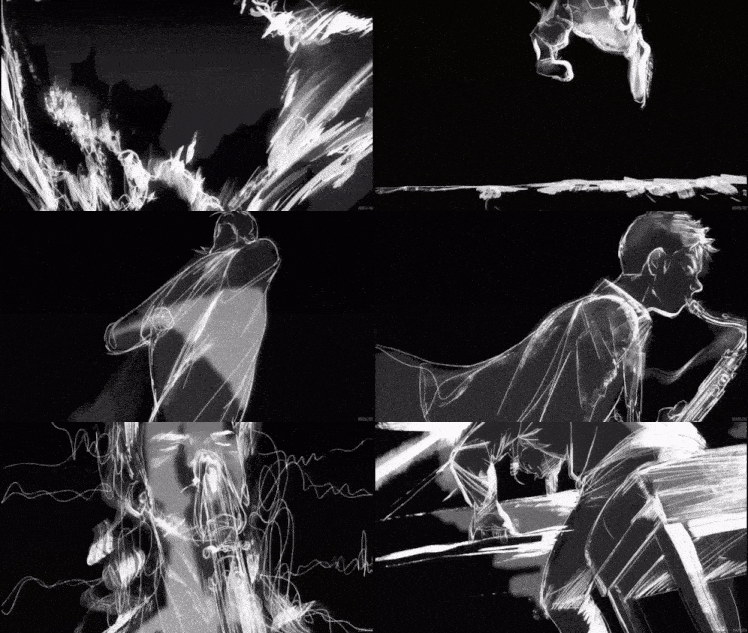

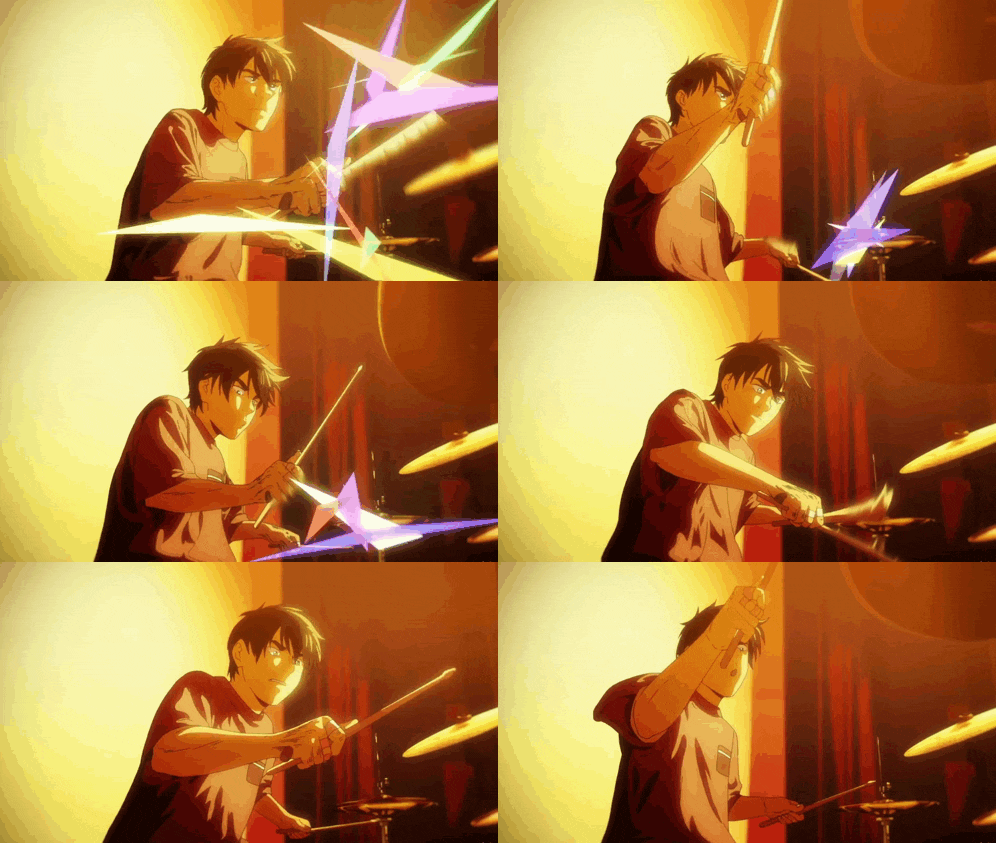


Link to Blue Giant's Spotify PLAYLIST: https://open.spotify.com/intl-it/album/4GhDb60eJfeVCHJQdHWooc


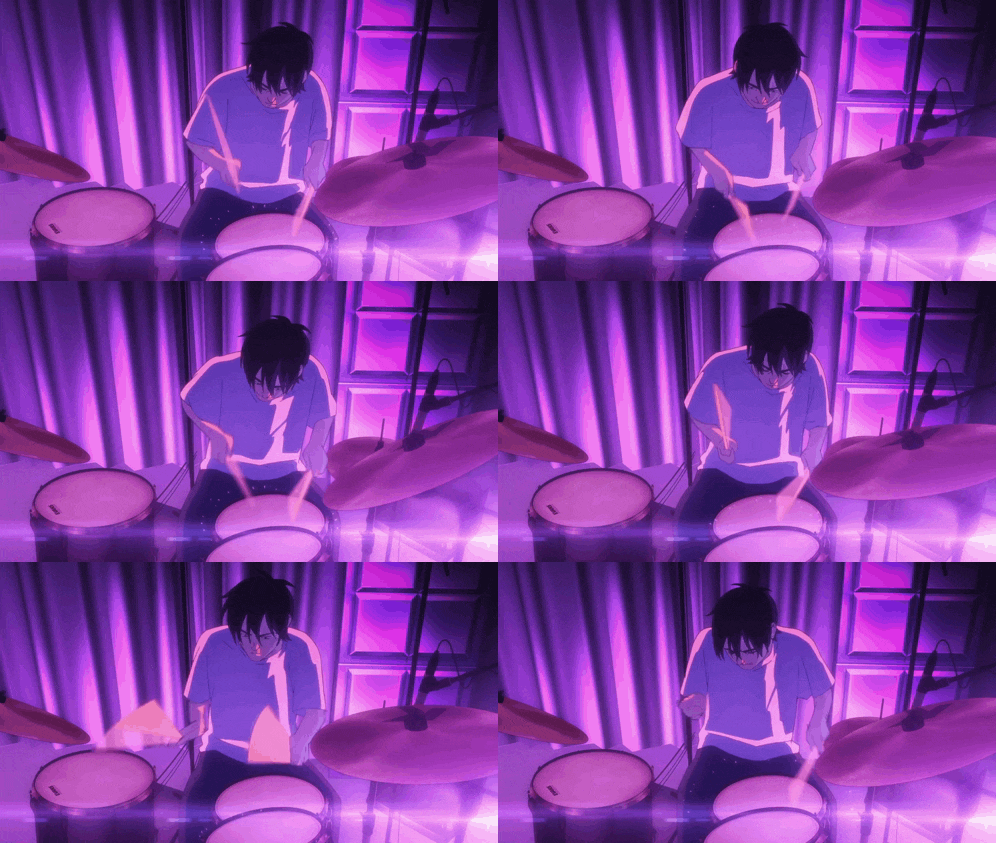




So is everything perfect in this movie? No, unfortunately there are a couple of things to criticize.


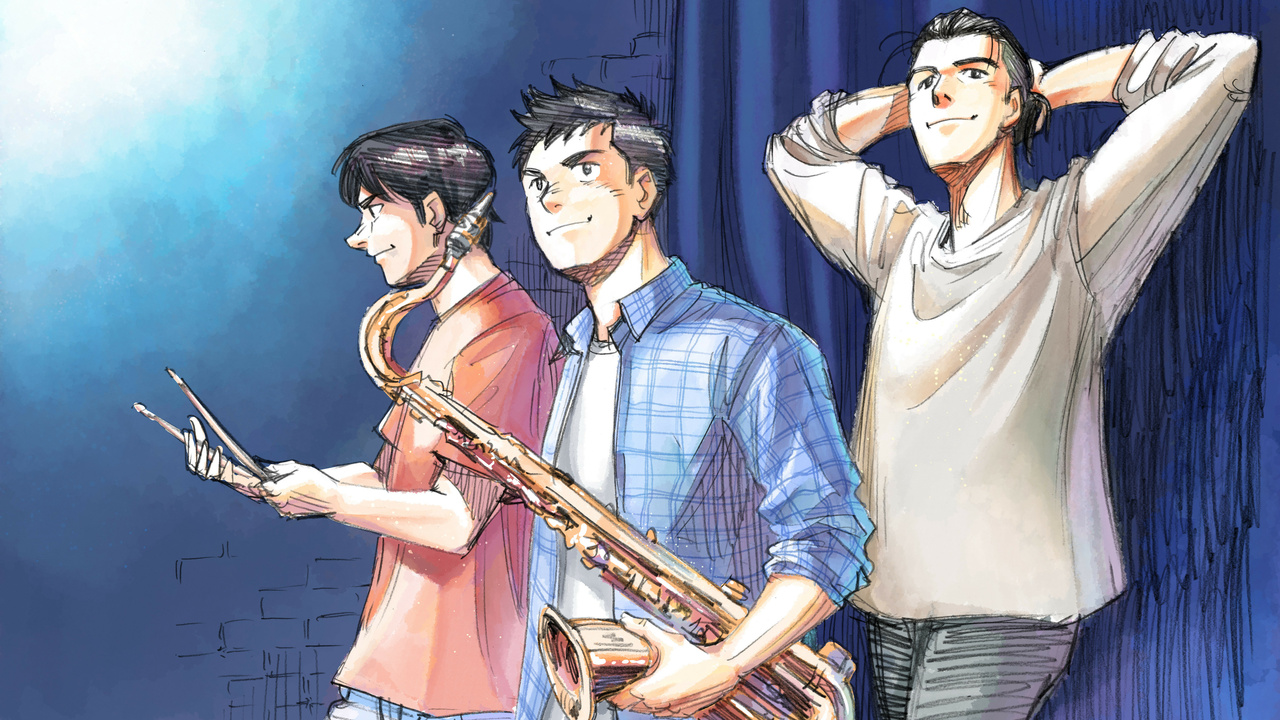
In short: Blue Giant's anime movie is like a brilliant live jazz concert that way easily manages to overwhelm you. The protagonists are three boys who dedicate their whole life, or a part of it, to the music they love.
It has a solid direction, an excellent character design and Uehara's jazz performances are full of energy. During the live concerts animation and music blend together beautifully and are a spectacle for the eyes.
Perhaps the story has some limitations from being very tight (in order to be adapted into a 2h movie) and the CGI would really need to be redone.
However, the final result is a deep and moving work, and it's impossible not to be passionate about the stories of the three young protagonists.


"Spokon". A term that has become a mantra for me lately. It's one of those genres (or target, as you prefer) that I'm totally obsessed with, since every new sport I delve into is making me want to have new skills and abilities. I never thought that a manga/anime about ice skating could make me fall in love with this sport, which I know practically nothing about.
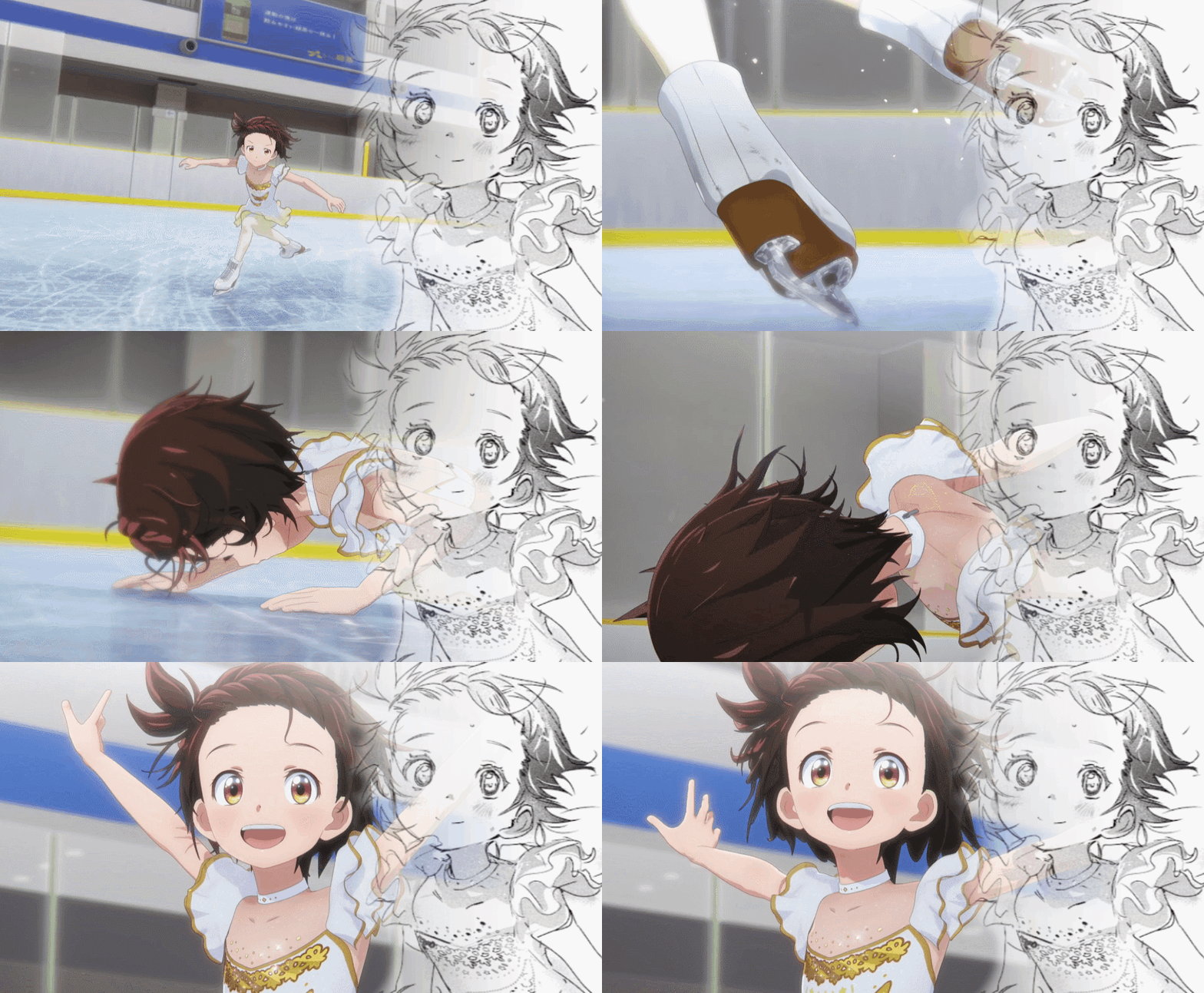
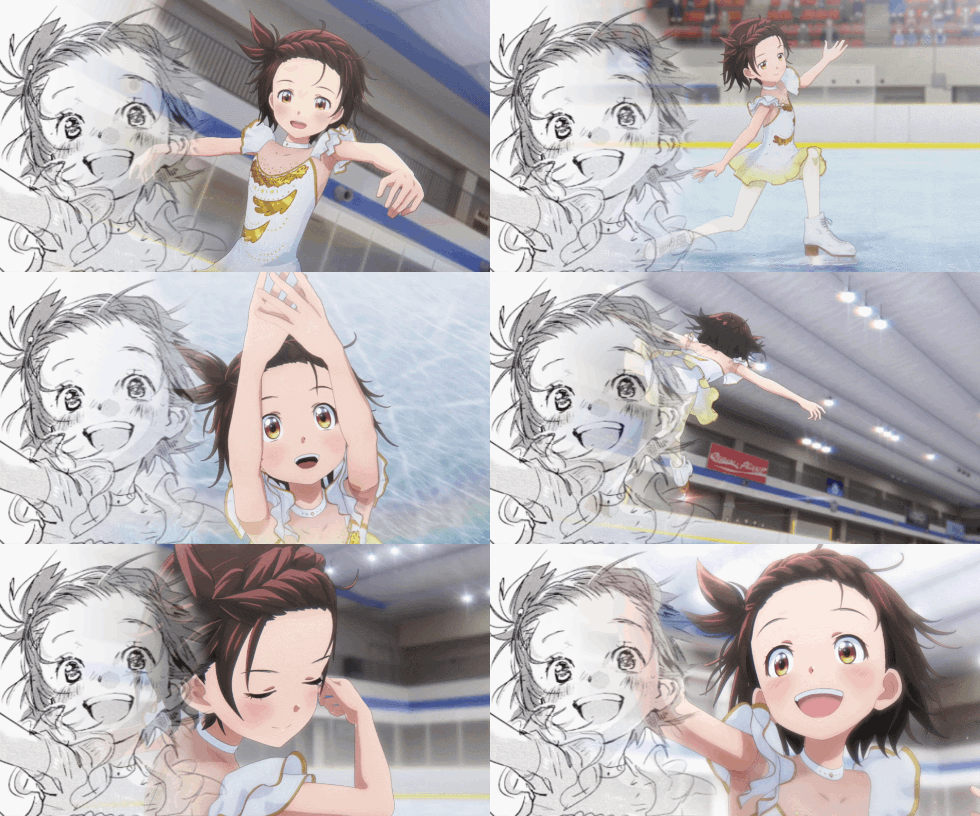
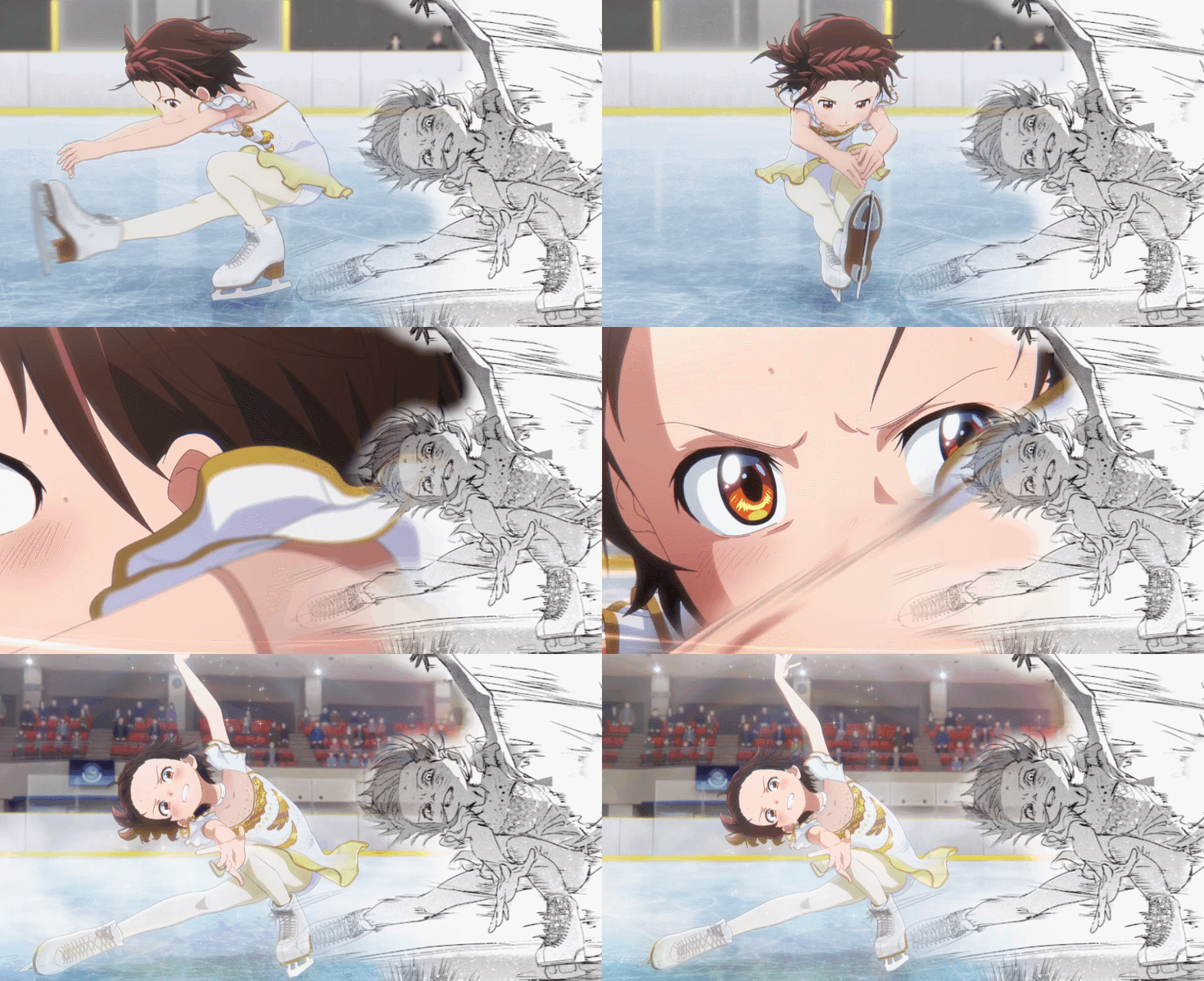


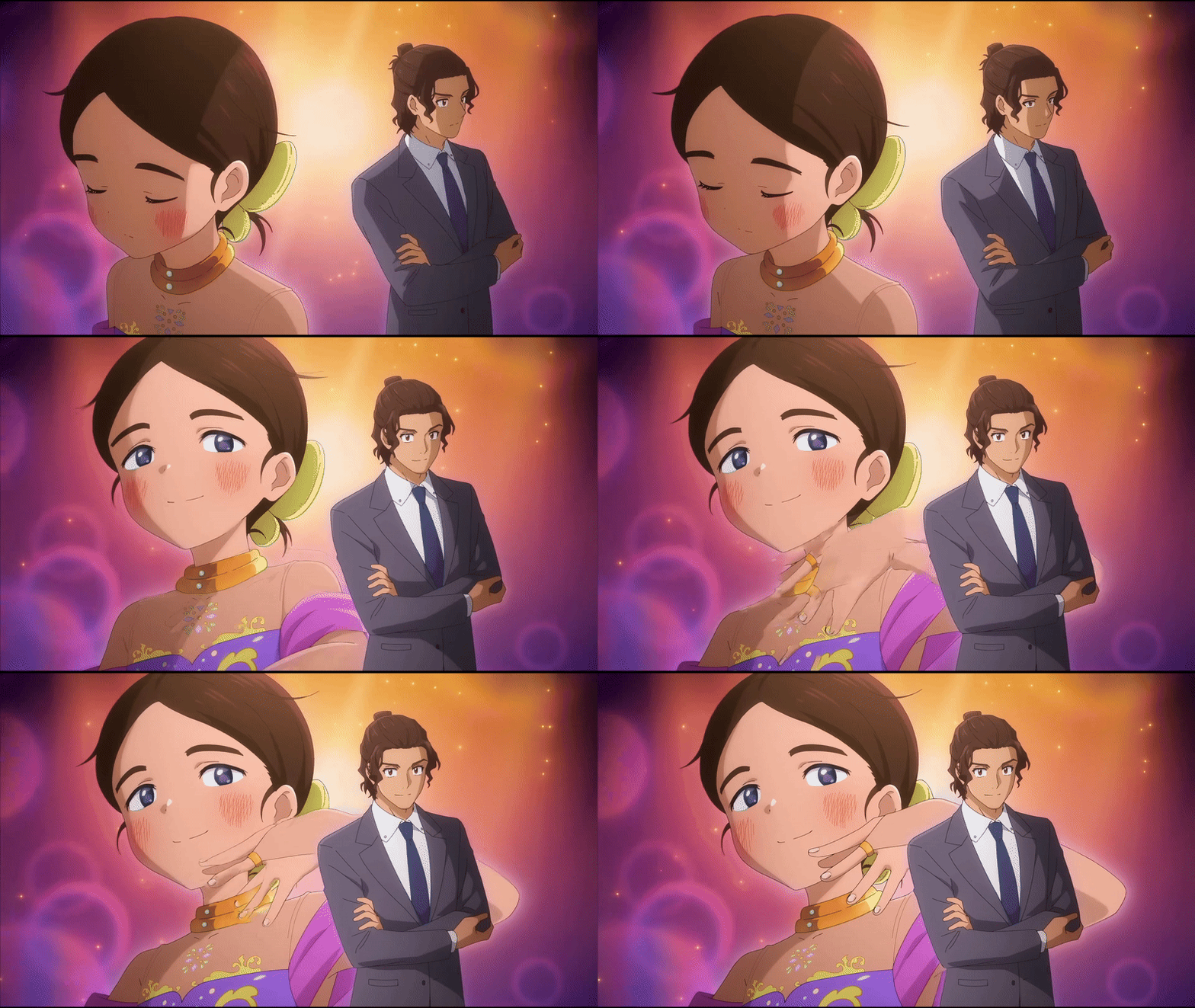

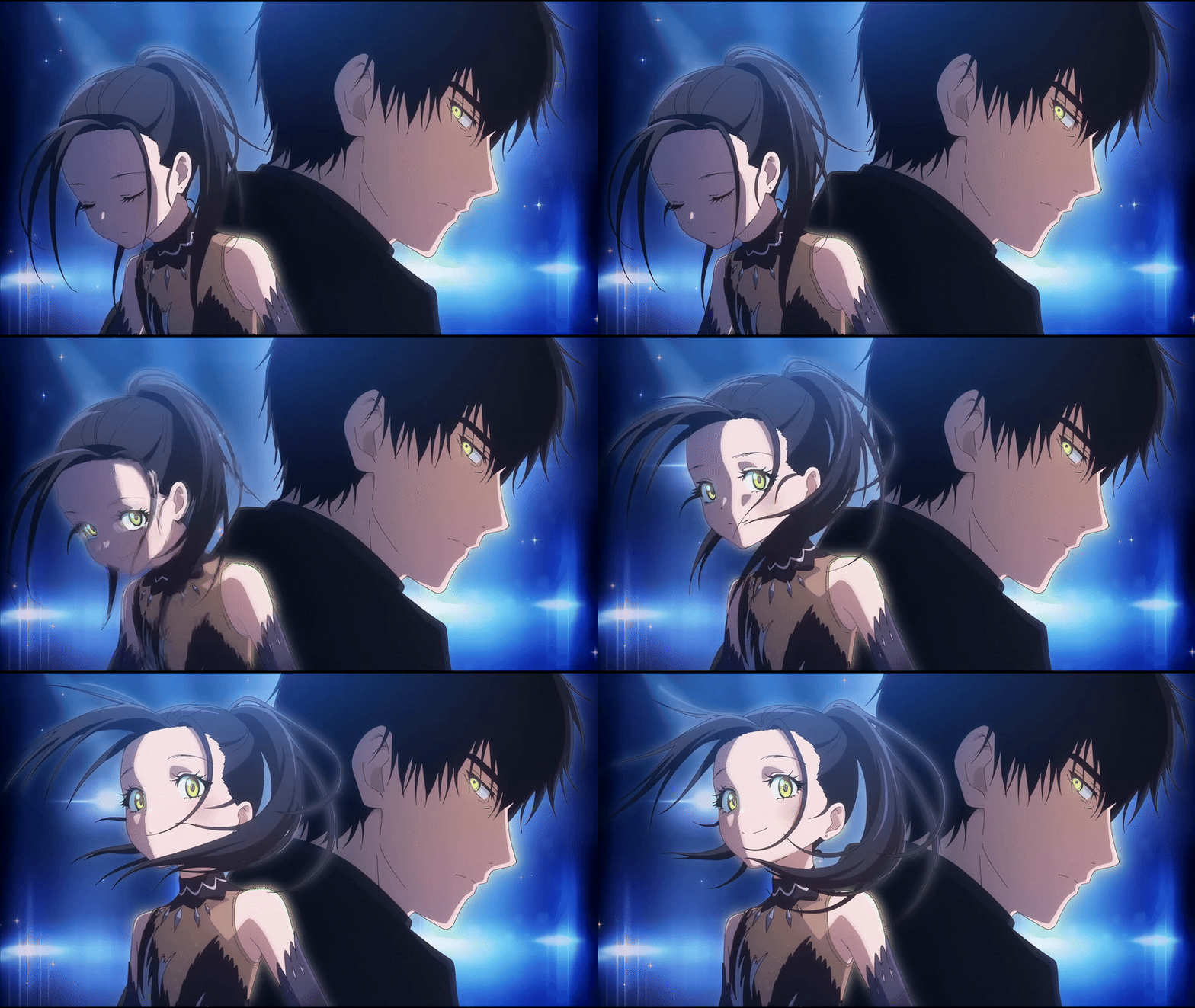

Tsukasa's and Inori's Paths, Two Sides of the Same Medal




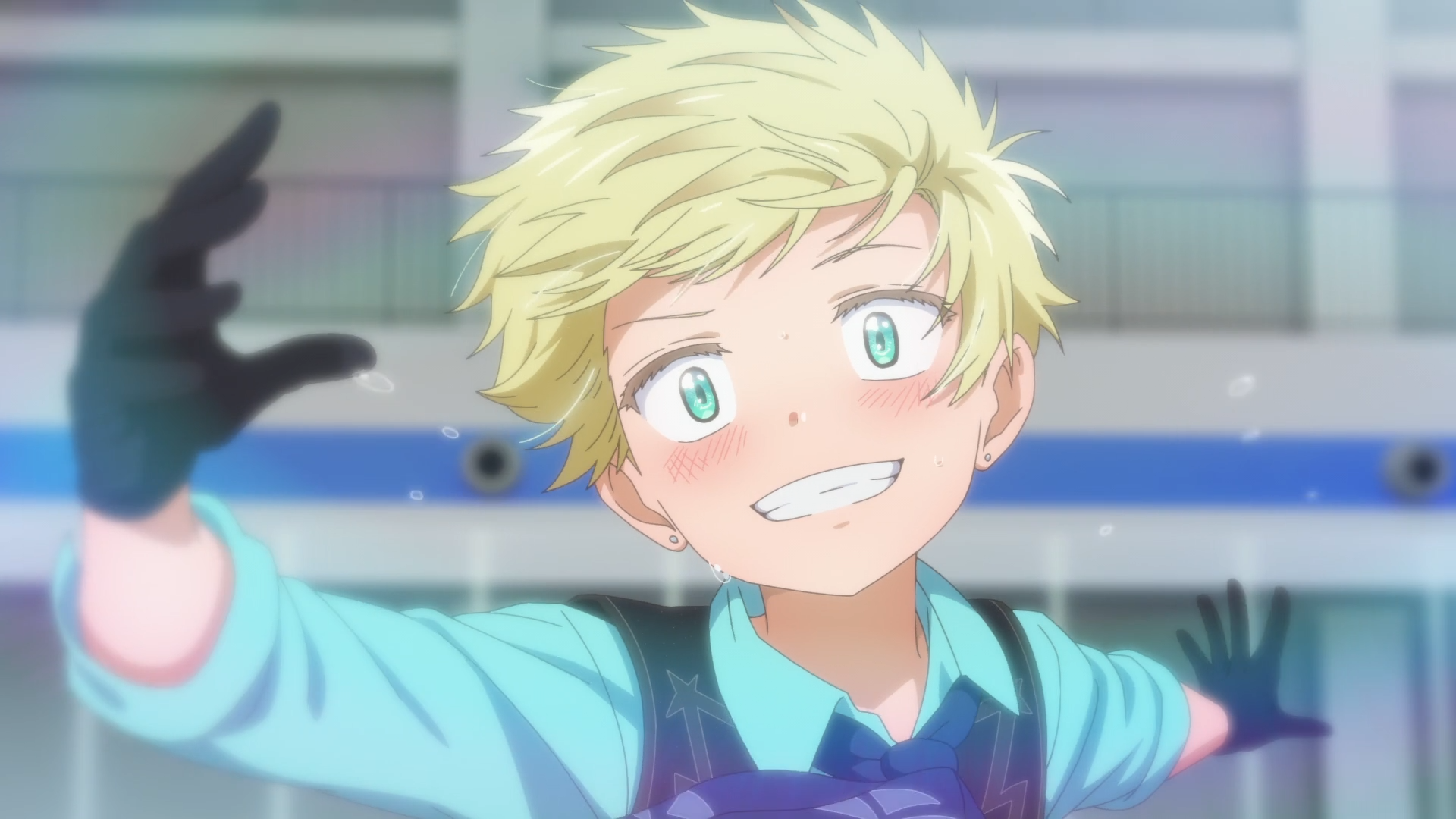


For those who have doubts about the theme: give it a chance, you will not regret it. ^>^
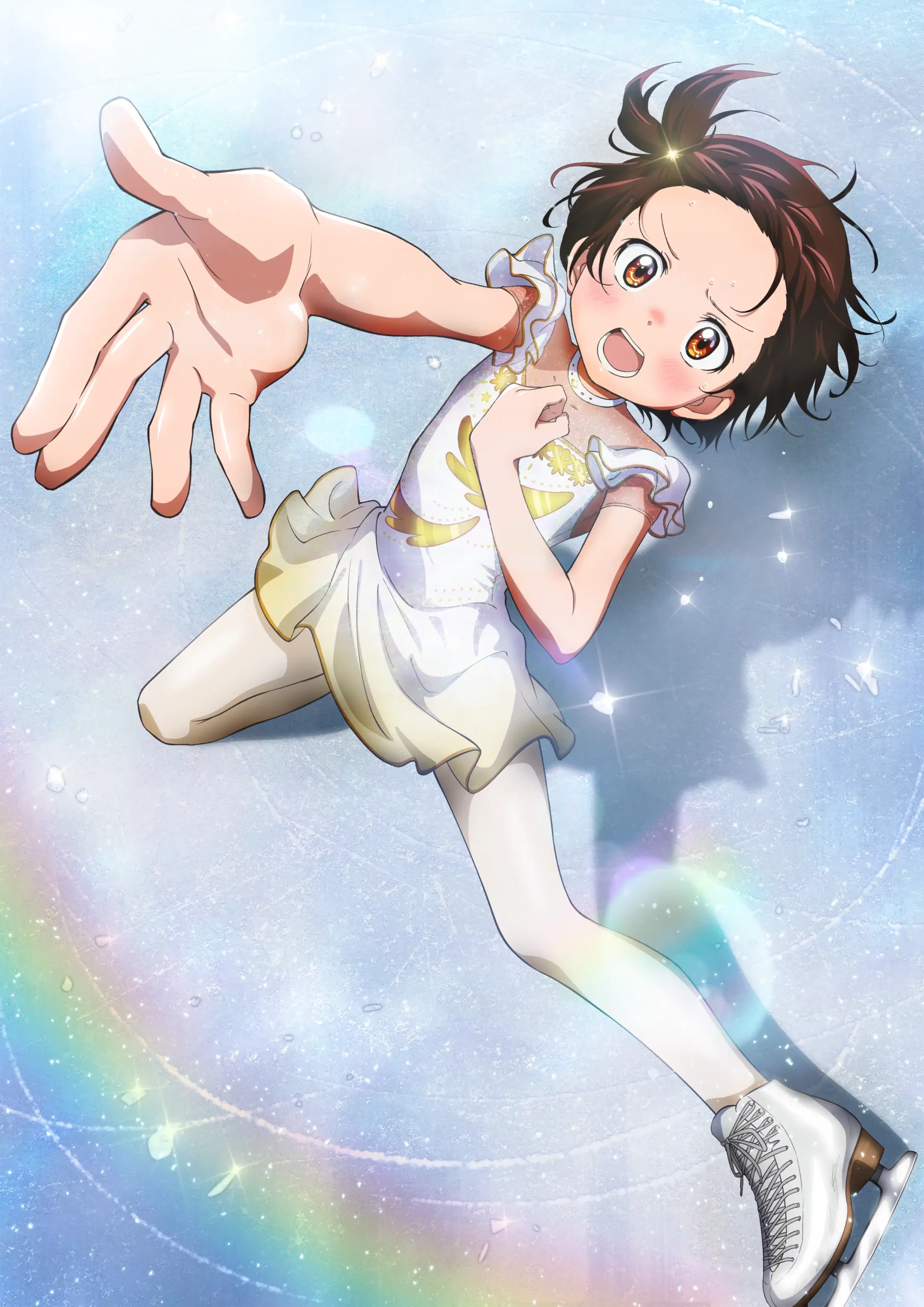
v
P.S. As a reward, here's a wagon of comical moments that cracked me up the most (XD)
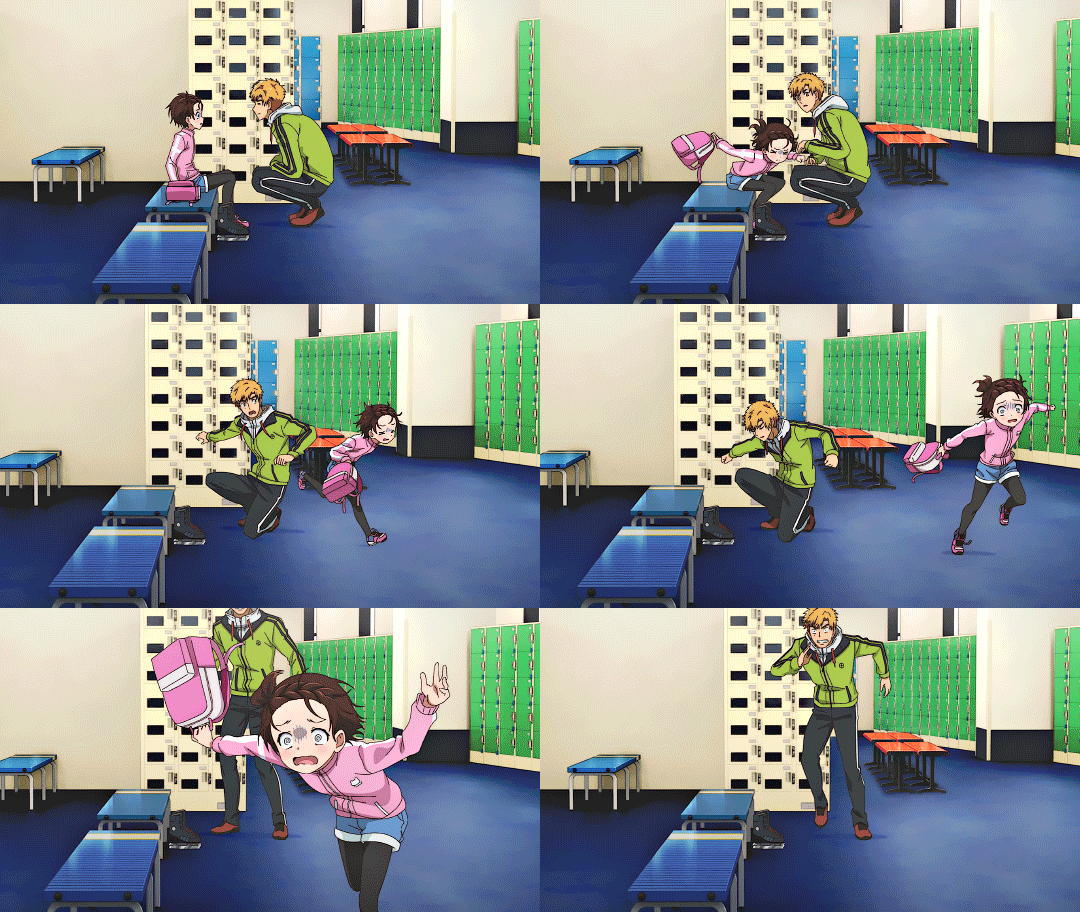











“It is not the Sun that rises, it is the Earth that descends” “This will be an era dominated by the concepts of “reflection” and “autonomy,” and no longer by “sin” and “salvation.” “Is man merely a mistake of God? Or is God merely a mistake of man?”



 ----
Well, telling a story is hard enough in anime (and manga), let alone when you decide to tell several in the same series ...
And in this case, Geocentrism vs. Heliocentrism is the backdrop to several extremely well-told ones.
Orb: On The Movements of the Earth (in Japanese チ。―地球の運動について―/Chi: Chikyuu no Undou ni Tsuite) is a TV series based on the award-winning Japanese manga written and illustrated by Uoto, serialized in Shogakukan's seinen manga magazine Weekly Big Comic Spirits from September 2020 to April 2022, with its chapters collected in eight tankōbon volumes.
----
Well, telling a story is hard enough in anime (and manga), let alone when you decide to tell several in the same series ...
And in this case, Geocentrism vs. Heliocentrism is the backdrop to several extremely well-told ones.
Orb: On The Movements of the Earth (in Japanese チ。―地球の運動について―/Chi: Chikyuu no Undou ni Tsuite) is a TV series based on the award-winning Japanese manga written and illustrated by Uoto, serialized in Shogakukan's seinen manga magazine Weekly Big Comic Spirits from September 2020 to April 2022, with its chapters collected in eight tankōbon volumes.










 -------
------
-------
------


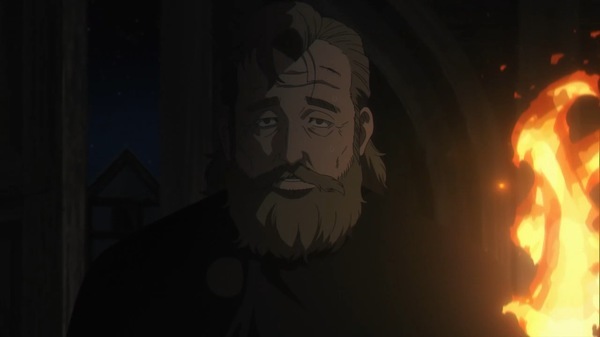 Opening a due separate parenthesis, the ruthless Nowak is the leader of the inquisitors in charge of suppressing Heliocentrism. He brutalizes the unfortunate defendants in his interrogations with terrifying instruments of torture, boasting heresies aimed at hiding the atrocity of his actions under the word of God.
His characterization in particular is excellent, with different facets that make him a complex character, far from monotony: his motivations are clear and constitute his strength. He's also deeply distorted, since his mind has entered a loop such that even the worst atrocities have become normal for him.
When he finds himself having to torture children, he simply states that he does not like doing it, but this does not stop him from carrying out such actions, making everything grotesque and horrible.
In his mind, his beliefs are so rooted and solemn that he justifies any means to achieve them.
Generally, it's natural to side with the "good guys" against the "bad guys", considering the actions they take, but in the case of Orb all the characters are deeply convinced of their opinions and act accordingly, convinced that they are right. This, however, will not exempt them from committing mistakes or acts of a certain gravity.
Opening a due separate parenthesis, the ruthless Nowak is the leader of the inquisitors in charge of suppressing Heliocentrism. He brutalizes the unfortunate defendants in his interrogations with terrifying instruments of torture, boasting heresies aimed at hiding the atrocity of his actions under the word of God.
His characterization in particular is excellent, with different facets that make him a complex character, far from monotony: his motivations are clear and constitute his strength. He's also deeply distorted, since his mind has entered a loop such that even the worst atrocities have become normal for him.
When he finds himself having to torture children, he simply states that he does not like doing it, but this does not stop him from carrying out such actions, making everything grotesque and horrible.
In his mind, his beliefs are so rooted and solemn that he justifies any means to achieve them.
Generally, it's natural to side with the "good guys" against the "bad guys", considering the actions they take, but in the case of Orb all the characters are deeply convinced of their opinions and act accordingly, convinced that they are right. This, however, will not exempt them from committing mistakes or acts of a certain gravity. 


 The purpose of Nowak's character is to convey one of the central points of the story, i.e. the torture perpetrated by the Inquisition. Many episodes focus on this theme and it's the terror of those who risk being investigated. Despite the horror, however, this won't stop the protagonists.
>TRIVIA: Symbolically speaking, each character represents a characteristic needed for Astronomy (or Science, in general): Rafał can be associated to mind, since he's born as a genius prodigy, but also he's the inspiration (a mixture between curiosity and wonder, an ep. 3 reference). Oczy is the eye (an hawk-like one xD) and the gradual learning from literally scratch, Draka has the picture perfect memory and an iron logic skill, Badeni can be the wisdom (albeit in a rather stingy form xD) and the overwhelming will to rise up and push oneself beyond one's limits but also to realize when it's time to rectify oneself (and I'd associate the latter to Count Piast, too), Jolenta can be the literacy but also the emancipation from imposed roles and dogmas (ex. relegated to the women of those times), while Albert's father and teacher are respectively the doubting and the believing concept (in a separate and in a blindly way...), and so on...
The purpose of Nowak's character is to convey one of the central points of the story, i.e. the torture perpetrated by the Inquisition. Many episodes focus on this theme and it's the terror of those who risk being investigated. Despite the horror, however, this won't stop the protagonists.
>TRIVIA: Symbolically speaking, each character represents a characteristic needed for Astronomy (or Science, in general): Rafał can be associated to mind, since he's born as a genius prodigy, but also he's the inspiration (a mixture between curiosity and wonder, an ep. 3 reference). Oczy is the eye (an hawk-like one xD) and the gradual learning from literally scratch, Draka has the picture perfect memory and an iron logic skill, Badeni can be the wisdom (albeit in a rather stingy form xD) and the overwhelming will to rise up and push oneself beyond one's limits but also to realize when it's time to rectify oneself (and I'd associate the latter to Count Piast, too), Jolenta can be the literacy but also the emancipation from imposed roles and dogmas (ex. relegated to the women of those times), while Albert's father and teacher are respectively the doubting and the believing concept (in a separate and in a blindly way...), and so on...


 -----
-----