— — — —— — —
×
— —— —

Spoilers a seguir.
Acho que para falar sobre This Monster Wants to Eat Me é importante mencionar o contexto em que ele estreou, e como isso pode ter mexido com as minhas expectativas ao assisti-lo. Eu estou tentando descobrir o quanto do meu "não aproveitamento" (sendo bem gentil) da obra veio de problemas que criei e do quanto veio pelo próprio anime, e acho que é por isso que estou escrevendo esse texto.
Watashi wo Tabetai, Hitodenashi veio na temporada final de 2025. Eu nunca havia ouvido falar do mangá, e descobri o anime pelo twitter, que estavam o chamando de "monster yuri" e "The Summer Hikaru Died só que yuri". Acho que é importante fazer essa correlação com Hikaru, que foi um anime da temporada anterior e que gostei bastante. Eu amo histórias de romance desvirtuosas, que tratam do proibido, o sujo, tóxico e que machuca. Hikaru trata de tudo isso de forma majestosa, com comentários queer misturados numa narrativa folclórica de lendas e espíritos. Mas isso não é uma review de Hikaru, então não vamos ficar falando sobre isso.
Eu só queria destacar que, meu pensamento ao entrar nesse anime é que seria "algo semelhante", só que com garotas. Claro, aqui o monstro é uma sereia e não... (assistam Hikaru). E aqui temos uma suicida e a sereia que promete comê-la. E claro, o "tabetai" de comer só tem implicâncias sexuais em português, não no inglês ou japonês (eu acho). Mas mesmo assim, por ser um "yuri" envolvendo uma humana e um monstro, eu esperava uma narrativa que explorasse esses temas.
E o que recebi... não foi isso. Não exatamente.
O grande ponto de Watatabe, e que o difere do que eu pensava na minha mente, é que ele acaba sendo uma história sobre trauma, luto e como viver após tudo ter sido tirado de ti. Mesmo que existam sim cenas que tentam buscar esse lado do "horror", ele nunca tenta levar para sei lá... um horror erótico? E isso ficou mais claro ainda para mim na cena do beijo, que nem sequer foi mostrada. Então eu não acho que seja justo julgar uma história pelo o que ela não tenta ser, só porque eu acho que seria legal se ela fosse assim.
Então como fica esse anime, julgando-o pelo o que ele realmente é?
E sinceramente, não é nada de mais.
Watatabe tem uma forma bem padrão dos animes, nada aqui foge do comum ou tenta ser inovador. É um arroz com feijão comum para quem já está acostumado a assistir vários animes: tem as cenas de comédia que as personagens ficam chibi, enquadramentos e iluminações em momentos dramáticos para tentar dar um enfoque, uma trilha sonora boa, etc. O que não é um problema, mas para alguém que já assistiu tantos animes com direção e storyboards extremamente criativos, não é nada de chamar atenção. E o que sobra que poderia ser interessante é o roteiro, certo? Pena que ele também não é nada de mais.
Eu vou confessar que essa ideia de "uma garota que quer morrer" e "o monstro que vai ajudar a matá-la" é extremamente interessante e eu vou ir atrás de outras histórias que fazem algo assim, mas o desenvolvimento aqui parece não se decidir no que quer fazer. Claro, existe a reviravolta de que a Shiori nunca teve a intenção de comer a Hinako, e a história acaba se tornando "como salvar a garota suicida". O problema nasce do ponto em que nunca sequer nos importamos com a Hinako, porque ela não é uma personagem.
A Hinako é uma ferramenta da narrativa para ser jogada por aí e acolá pelas outras personagens, e a única coisa que ela faz é encarar com uma expressão vazia e dizer que está triste e quer morrer. Para uma história cujo ponto inteiro é ver como será o desenvolvimento dessa protagonista, ela ser a pior personagem não ajuda. E acima disso, o próprio desenvolvimento do seu trauma é terrível.
Umineko é a minha obra de arte favorita, eu sei como é um desenvolvimento perfeito de uma pessoa que quer morrer após perder tudo. E o que Watatabe faz com isso? Temos cenas dela chorando (que não impactam de forma alguma pois o único traço de personalidade da Hinako é sentir falta dos pais e querer morrer), temos a Miko e Shiori discutindo sobre ela, e aí nos últimos episódios vemos UM POUCO de personalidade vinda da protagonista pois ela está com raiva da sereia, e ela cria um plano de fingir felicidade para que ela possa finalmente morrer.
Caramba, no último episódio e finalmente temos algo interessante, me pergunto como vão desenvolver isso agora?
Não vão, porque o anime só acaba sem nunca mudar o status quo e eu nem sei se sequer vai ter uma segunda temporada.
Então o anime não só é frustrante, mas ele piora a situação me mostrando pela primeira vez algo de interessante e depois acabando sem fazer nada com isso.
Vocês estão entendendo onde eu quero chegar?
Apesar de dizer tudo isso, não quero parecer injusta ou agressiva com esse anime. O problema é que criou-se uma expectativa muito boa do que viria, e eu acabei recebendo 13 episódios de nada, com alguns momentos legais que também resultam em nada. Assistir isso foi sofrível e eu sinceramente só terminei porque não gosto de deixar as coisas pela metade, mas não vejo alguém mais casual tendo paciência para terminar isso aqui. E no fundo eu posso só ser uma pessoa amarga, e tá tudo bem.
Não sei como o mangá é, mas tenho curiosidade de ler para saber se o problema foi realmente a execução do anime e talvez o mangá não passe por isso. Não sei.
De qualquer forma, assistam Hikaru ga Shinda Natsu, vai ser uma experiência melhor.
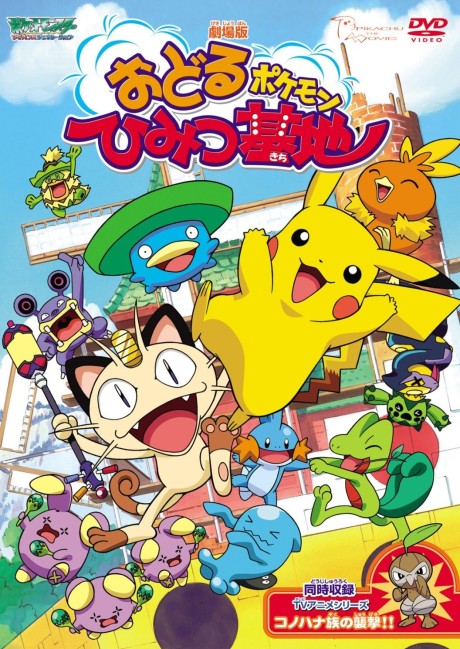
This short seems to have only been created to help advertise the music that was created and that basically had a whole music video for in the first 5 minutes. The plot of the short is basically team rocket has built a secret base and are about to show it off to the boss and they leave their pokemon to guard the base and to prepare a dance number to impress the boss.
They will do this by using a magic stick Meowth has that makes all pokemon in the area dance, along with a few pokemon they have trapped.
~!Of course Pikachu and his friends discover the trapped pokemon and sneak in to free them, soon they are caught but the magic stick accidentally gets activated and they do a dance number to a rhythmic song (that is played EVERY time they dance) during the dancing parts of the base is damaged until the stick accidentally gets turned off, now a chase segment happens until yet again the stick is hit and they do another dance number, parts of the base gets damaged until it's accidentally turned off
This pattern keeps repeating for the rest of the 25 minutes of the short. Sure some bits are funny, but it's basically just watching pokemon dancing until eventually the base is destroyed. The end.
I suppose if you do find entertainment in Pokémon just doing stuff. Then you would like this short. Or maybe if this was playing on loop in a doctor's waiting room it would keep some kids busy.
Most of the funny moments really depend on slap stick humor, which makes sense since only one pokemon in the group can really talk which is meowth and he doesn't even really talk that much. Also it was a bit of a bummer that we never got to see Jessie and James and the boss react to the destroyed base it would have added a bit more to the ending. I will admit the first song is kind of fun to listen to, and the animation is pretty nostalgic
Being honest at this point i’ve said most of what I want but I need to reach the word count. I did see one person out on the internet say this reminded them of a fairytale "The Red Shoes", a macabre fairy tale steeped in grim, unsettling imagery. It centers on the tragic figure of Karen, a young girl cursed by an angel to dance ceaselessly in a pair of enchanted red shoes. Driven to a state of absolute despair, she begs an executioner to sever her feet to escape the torment. Yet, the horror only intensifies when she sees the shoes continuing their frantic dance before her—with her severed feet still trapped inside. In her final moments, she turns to God for mercy, only for the same angel to return and strike her dead, causing her heart to burst from the strain.
I personally don’t think the writers were specifically thinking of this story when making this short, but you never know I guess
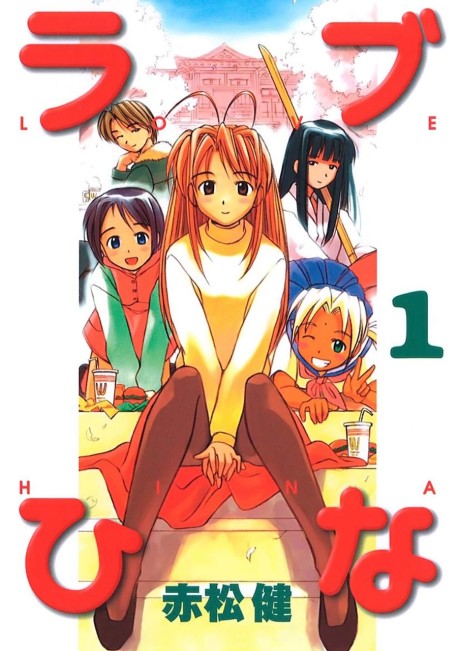
First Impression about this series : I started this series blind i didn't know very much what to think i did know that it was an ecchi harem series and one of the motive that i started this series was because of a certain character named Naru Narusegawa 
She is the tsundere character and the main love interest of the protagonist, Keitarou Urashima.
Anyways let's start with a good explanation about the title. So we have our main character, Keitarou Urashima, who btw doesn't have a succesful life so far he is a ronin for the second time, failed to apply to Todai 2 times in a row actually 3 times but spoilers . He doesn't have a girlfriend or any interaction with opposite gender and he just got kicked from his house luckily his grandma calls him to go to Hina inn to become the manager there and that's how the story begins. I want to say that this summary was kinda pointless but trust me is not because this plot got me into early on especially the fact that we got a look about the relation ship of Keitaro and Naru.
I want to speak about their relationship so hard but i need to contain myself a little more. In the story we mostly see a lot of gag comedy that doesn't have sense in the real world especially the turtle thing. The good part of the story i mostly want to say is the Keitaro daily life at Hina inn , how he interacts with every girl in that inn (dorm) and with other characters how every characters has very own jokes that fun in very own way and how his relationship grows with the characters. Ok now i can say my favourite part of the story and that's the relationship between Naru and Keitaro.
Their Relationship starts a bit rocky especially because it starts with a missunderstanding step that being that Naru founds him in the spa that where only for girls and she really thinked that he was a pervert. (that gag moment never gets old in this manga tho cuz in the last 2 chapters we get a trowback to remind us how the story began )
Anyways I like the aspects that the Naru is the only character that harass the character but at the same time she helps him the most especially with the learning process and go to Todai, she is a bit annoying but at the end of the day she is the character that is very innocent even though she seems tough on the outside (that's basically an Tsundere archetype i love the archetype in the most ocasion that's why i really enjoyed her moments with Keitaro when she was blushing). The manga shows us a lot of moments when Naru and Keitaro are perfect for each other (and really a lot) My favourite part of their relation ship was like in 1999 when they needed to study for the exam center at Today and mock examens again. That really defied their romantic feeling at least for Keitaro cuz Naru was still conflicted

The most difficult with a tsundere character aspect is that they're lying to themselves for the most part about they're feelings. Naru ghosted Keitaro after he confessed to her but is a good part that she got the courage to tell him about her feelings
I don't think that i need to say the major spoiler of who is the promised girl and that arc cuz to be fair i kinda found more like an excuse final arc to the manga that defined they're relationship status (I'm glad that the epilogue was great tho)
You know is funny how the relationship of Keitarou and Naru is a parallel to other relationship Seta and Haruka. Another fun fact is funny how Haruka and Naru have some qualitys in common how they get extremly fast embarassed when Keitaro and Seta are being romantic with them, and is funny how Keitaro in the future becames likes Seta (man i really love this aspects of the story)

I think now is a good moments about how I feel about the whole aspects of the story and yeah I am speaking of the problems of early adulthood life. Luckily I didn't experiment being a 3 times in a row ronin Rn i am a student working for a master degree but i kinda feel about the same with the mc in the first part of the story (i feel that my life is somehow constant) that's probably because i don't have a job rn (and yeah is really hard to find a job in this economy) and i don't have a girlfriend so that's maybe another aspect why i got attached to this series early on. The Fact that Keitaro was a loser but he didn't lost into a despair and he actually keep going on was an aspect that i loved especially with the part of Naru ghosting him and the part with healding a year back at Uni because of a certain accident. I'm so glad that he actually married Naru
This series kinda hits hards when you start to read because of the aspects of how times moves and how the good old days will be gone before you realize but you must continue and pursue what you want if you want to live in your happy own world. I really wanted to grand to this series a bigger grade but thx to some gags that i didn't enjoyed and the final parts of the story i kinda put it lower than I expected when i was at half of the story tho I still loved the ending. My final grade is 8.5/10 (I 100% recommend this manga).


Mushishi sat on the edge of my awareness for years. Being the best-rated show from its year more or less guaranteed I would keep seeing Ginko pop up in videos, thumbnails, and anime discussions online, yet often without much real discussion of Mushishi itself. Now that I’ve finally watched it, I both understand why that happens and think it does the series a disservice.
There is something fitting about a show with an amnesiac main character being half-remembered by people mostly through its imagery and symbolism. My mate, despite not knowing the series, recognised the white-haired man from the poster. Before watching, I was much the same.
As an anthology, Mushishi changes location and focus with almost every episode, each one built around a different mushi. Mushi are described as a third form of life, and depending on the episode they can feel closer to spirits, yokai, parasites, or natural phenomena. That flexibility is one of the show’s biggest strengths. The mushi are not just there as creatures of the week, but as a way of exploring how people live, what they fear, what they pass on, and how they understand the world around them.
What makes Mushishi work so well is that it never feels like a random grab bag of strange stories. It loops ideas back in, builds on earlier details, and lets Ginko’s own history emerge slowly through incidental reveals and flashbacks. The first episode ends up mattering more than it first seems, and the slow unfolding of Ginko’s past fits the pace of the series perfectly.
A few stories stood out to me especially. The second episode, with the girl who is shut away because she cannot bear sunlight, is one of the first to really show what the series is capable of. It is sad in a very human way, built around loneliness, family fear, and the quiet cruelty of isolation. The episode with the Watari and the mysterious mountain gets at the tension between tradition, inheritance, and personal connection especially well. The story of the girl writing mushi scrolls, with her family’s curse hanging over everything, is another strong example of how Mushishi ties the supernatural into bloodlines, obligation, and old structures people feel trapped inside. Even the episode with the mushi mailboxes carries that same feeling of loss and longing under the surface.
That family tension is one of the most consistent through-lines in the show. A lot of the conflict is not just about mushi, but about people trying to control each other, preserve traditions, protect family lines, or push against roles they have been forced into. The supernatural element gives the series its identity, but the human friction is what gives it weight.
Of course, close contact with mushi is always dangerous, especially for those who can see them. Very little in Mushishi is permanent, and that sense of impermanence hangs over the whole series. What makes Ginko such a strong lead is the way he responds to that. He is not dramatic, preachy, or needlessly harsh. He approaches people and mushi alike with care, patience, and empathy. Compared to the many records in the series that treat mushi as something to kill, and compared to other Mushishi who are far less gentle in how they deal with them, Ginko stands out. Even his curse, attracting mushi to himself, reinforces that closeness as both a gift and a danger.
He also helps keep the series grounded. A lot of the people Ginko meets are desperate, selfish, trapped by fear, or too deep in their own pain to think clearly. Without him, some of these episodes could easily become frustrating. Instead, his calm presence gives them shape.
And for all the quietness of the series, it never became dull for me. The variety in the mushi, locations, and situations keeps the stories engaging, and part of the fun is trying to work out what kind of mushi is behind each new problem.
Mushishi is quiet, thoughtful, and far better than its oddly half-remembered reputation suggests. Now that I’ve finally watched it, I understand why Ginko lingers in people’s minds. The real shame is that the series around him should linger just as much.

Madoka Magica was one of those shows I had heard about for years as something that revolutionised the magical girl genre and heavily influenced what followed it. After finally watching it, I understand the praise and the reasoning behind it.
However, the implementation of those ideas is imperfect and flawed.
A lot of Madoka Magica works because its symbolism is straightforward. Madoka is a character without clear ambitions or ideas of her own, someone placed into a role built around care and responding to others. Sayaka wishes to heal the hands of the violin player she loves and restore what was damaged, only for her own arc to become one of inflicting pain onto others after the revelation of Hitomi's confession, severing her relationships, and finally taking away her own ability to feel pain at all.
Kyouko is introduced with apples, and that symbol matters. Her wish was tied to helping her family and her father's church, and what remains of her is someone marked by temptation, consumption, guilt, and sacrifice. Even the red of her design helps sell that reading, just as Sayaka being given blue fits her own tragedy in a different way. The symbolism in the show is often obvious, but that is part of why it works. It is easy to see and impossible to avoid.
That sense of inevitability is one of the show's biggest strengths. You can see where things are going and it still hits.
Kyubey's motivations being slowly revealed is also done well. The conflict broadens from personal suffering into something grounded in the laws of the universe itself, and that gives the series much of its weight. That is also where the ending lets it down for me.
Once Madoka is told she could change the laws of the universe, the final wish feels contrived. Instead of addressing the underlying requirement itself, the story has her erase witches across past, present, and future and become a concept in the process. It is grand, tragic, and emotionally strong, but it does not feel like the most satisfying resolution to the problem the story had constructed.
The series builds up a conflict grounded in cosmic law, then resolves it in a way that preserves the structure of suffering rather than confronting its source. It feels less like the natural culmination of the ideas and more like an ending made to be specifically bittersweet and unsatisfying.
That is the main thing holding the show back for me. Sadness and death are not unique to Madoka Magica in the magical girl genre. I watched the Senshi die when I was a kid in Sailor Moon. But the ending to that still felt satisfying as a resolution, even if it revived them. Madoka Magica, by comparison, feels like it chooses tragic weight over a more complete resolution.
The show is great and I understand why it was so influential. But for me it is let down by an ending that feels weaker than the symbolism, setup, and thematic strength of everything leading up to it.
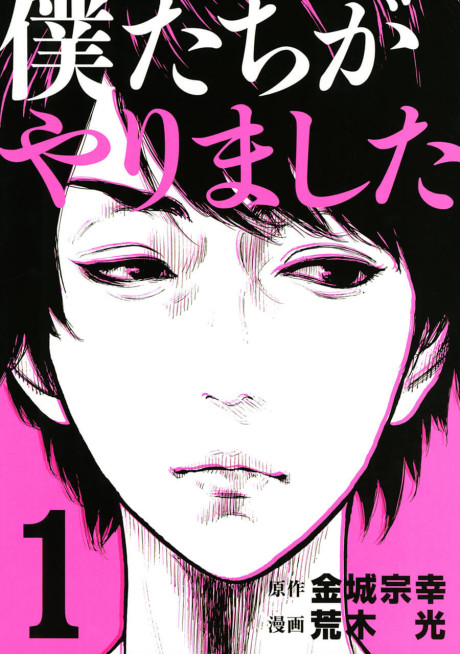
3 tane Ergen ve bir tane genci konu alıyor. Bu ergenlerin 3'ü de bildiğin ergen. Hep cinsellik konuşurlar veya hayalleri sex yapmaktır falan. Bu tarz karakterlerden artık bıkkınlık geldi benim için. Hem artık çok görmeye başladım hem de iğrenç bence. Ve bu karakterler aşırı ezik. Bir gün yaba highschool adlı okuldaki kekolara laf artıklarında maru adlı kişi onlar tarafından zorbalaniyor ve baya ölümüne dövülüyor. Sonra bunlar ne hikmetse gidip onların okulunu patlatıyor. Biraz hata ile oluyor. Gaz falan kaçıyor ve patlama büyük oluyor ama yine de onların yaptığını degistirmiyor. Ve manga böyle başlıyor.

Bence manga'da ki en iyi karakterlerden birisi, zaten kendisi manga'nın ana karakteri. İlk başta hee sex yapmak istiyorum diye başlayan bir karakter ama daha sonra okulu bombaladiktan ve orada insanlar öldükten sonra bir pişmanlık duygusu binen bir karakter, bu yüzden onu realstic bir karakter diyebilirim. Gerçekten düzgünce yaptıkları hatayı tek farkeden bu karakter oldu. Diğerleri hep boş sebeplerden ötürü psikolojisi bozuldu veya gelişim aldı. Üstüne suçluluk duygusu binince karakter bununla başa çıkamıyor ve halisülasyonlar görmeye başlıyor. Ne biliyim öldürdüğü kişinin halusilasyonlarini veya bir sahende bebek you killed me diyordu o sahne gibi. Bu tarz şeyler görüp bir yandan da kendi ile içsel çatışmasıni izliyoruz, bir şeyleri sorgulamasını. Sıradan bir hayat isteyen bir karakter ve sıradanlık onun için iş git eve gel eşinle vakit geçir, çocuğunla oyna. Bu sıradanlık. Bu suçluluk duygusu onun sıradanlık hayatını elinden aldığı için de kendi kendine içsel çatışmalar çok yaşıyor. Bence konsept olarak güzel bir karakter ama karakterin sahip olduğu inanilmaz anlar yok. Bir kaç tane var belki onun dışı meh bir karakterdi benim gözümde. Finalde de bir gelişim aldığını hissedemedim. Genel olarak; Suçluluk duygusu, İçsel çatışmalar, varoluşçuluk açısından iyi bir karakterdi.
Bence maru'ya göre iyi bir karakter ama gene kötü ya. Aşırı unrealistic bir karakter. Bence bir karakter sex sex sex diye ortalıkta gezemez. Bak bu karakter gitti kaza da ölen bütün ailelere yardım etti. Çocuklarını tanımasa dahi onlara çok iyi biriydi diye yalan söyledi ve peki bunu niye yaptı siki kalkmadigi için. Ciddi ciddi bunu yapma sebebi siki kalkmadigi için. Ne pişmanlık duyuyor ne başka bir şey. Bir de gavat bir karakter. Şimdi suçluluk duygusu yok karakter de, ee bir varoluşçuluk da yok, bi içsel çatışmada pek goremiyoruz. Gelişim de göstermiyor, ee bu karakter niye var. Gerçekten sıradan bir karakterdi pek iyi değildi maalesef.
İsami ama daha kötüsü. Suçluluk duymayı bırak suçu da diğer arkadaşlarina attı. "Ben sizden benim intikamımı alın demedim ki" diyor. Evet doğru istemedi ama bunu sende yaptın ben gelmiyorum yapmanizi istemiyorum diye israr etsen sence yaparlar miydi. Bütün suç bu sik kafalı cüce de ama bunun hakkında bir suçluluk duyuyor mu? Yok, duymuyor. Tek amacı sex yapmak. Gerçekten hiçbir gelişim göstermiyor karakter kafayı yersin. Tek amacı sex yapmak olan empati veya başka duygusu olmayan bir karakter. Bir de bu oropsu çocuğu gidiyor arkadaşlarının parasını çalmaya çalışıyor bir çok kez sözünden dönüp ihanet ediyor ve bundan da pişman olmuyor. Abi böyle cücelerin kafasını duvara vuracan. Cüceye güven olmaz.
Benim baba çar geldi. Manga da her zaman bir abi gibi duran bir karakter. Hiç bir zaman alınmaz her zaman ileriye dönük bakar. Tek alındığı zaman babasının onu bir çöp olarak gördüğü zaman. Babası ünlü bir mafya gibi bir şey. Ve bir sürü çocuğu var. Poisen de onlardan biri. Ve poisen baba sevgisi görmemiş hatta annesi de öldüğü için anne sevgisi de görmemiş biri bu yüzden babası ile tanışmak istiyor tanıştığında ise sen cirkinsin bu yüzden seni terk ettim gibi şeyler diyordu. Gerçekten en azından burada gerçekten kırılan bir karakter. Onun dışında o patlamanın kendi suç olduğunu, çoğunluk suç onda olduğunu da kabul ediyor. Bizim karakterlere hep yardım ediyor hem maddi hem manevi. Aşırı eğlenceli bir karakter daha ne isteyeyim bir karakterden. Gelişim açısından o kadar iyi değil ve süreç açısından ama eğlenceli bir karakter.
Bu karakter zorba falandi ama baba bir karakterdi. Zorbalık yaptı bir çok insana gerçekten berbat biri ama sonra yaralandı ve zorbalığa uğradı pişman oldu. Pişman olması bir şey degistirmez evet biliyorum ama yine de kaliteli çar be. İntiharına üzüldüğüm bir karakter oldu. Renko muydu neydi ona aşıktı. Plotonik bir aşk olarak kaldı ve hem buna hem de yaşadığı hayata dayanamayip intihar etti. Manga'nın baba çarlarından
Evet gelelim çok fazla konuşacağım bir konuya. Öncelikle hikaye özgün bir hikâye olsa dahi karakterler sebebiyle pek güzel bir hikaye sunamıyor. Hiç bir karakterin gelişime sahip olmasıyla birlikte, hikaye de bir gelişim sunmuyor.
Hikaye de iki tane kilit nokta var. Biri başlangıç olan okulun patlatildiğı yerler diğeri de We did it sahnesi. Evet We did it sahnesi muhtemelen Manga'nın en iyi sahneleri arasında ama bu sahneden sonra ne değişti sorusu var. Bu aslında bir itiraf sahnesi. Yaptıkları hatanın yükünü kaldıramadıklari için bunu itiraf etmek istiyorlar ve ediyorlarda ama sonra Poisen'in babası tarafından gene bunun altı üstü kapatılıyor ve suçlu olmuyorlar. Eee? Bunlar suçlu olmayacaksa itiraf sahnesinin ne önemi kaldı. Bunlar içindeki yükü kaldırmak için itirafta bulunmadilar mi? Sen böyle yapacak isen sahnenin ne önemi kalıyor ya. Tabi şu da var isami ve Maru piçi araba ile kacirildiktan sonra Poisen'i satıp kaçıyorlar. Yani gerçekten pişman değiller yaptıklarından veys ölmek istemiyorlar ama gerçekten pişman olduklarını sanmıyorum. We did it sahnesi ne kadar seri için önemli olan bir sahne olsa da hiçbir şeyi degistirmeyen bir sahne. Belki de serinin istediği şey budur. Şimdi final sahnesini anlatacağım. Final de Poisen Tobio'ya bir şey diyor, "Bizim normal yasamlarimiz biraz kırık/farklı. Ara sıra ölmek istemek, bunda bir sorun yok." Bunun gibi bir şey tam hatırlamıyorum ama anlatmak istediği muhtemelen. Ara sıra pişmanlık duyup ölmek isteyeceksin, geçmişi hatirlayacaksın ama hayat devam ediyor, hayat akıyor bu yüzden anın tadını çıkart. Ana karakter de bu yüzden tamamiyle yaptığı şeyi kabul etmiyor. Yani böyle bir şey yaptım ama nu bir hataydı kendimde suç aramamm gerek diye bir kabulleniş sahnesi yok mangada. Burada verilmek istenen mesaj şu muhtemelen: "Evet sen bjr hata yaptın ve bundan geri dönüş yok ama bu yüzden hayattan vazgeçmemelisin. Hayat hâlâ devam ediyor" gibi bir şey, yani benim anladığım. Ana karakter Baba olacağı sırada hastaneye koşarak gidiyor. Ve orada eski kaza da yaralanan diğer zorba kişi ile karşılaşıyor ve bir kaç konuşma yapıyorlar, ana karakter seni tanimayamadim diyor ve uzaklaşıyor ama ilerlediği zaman onun halisülasyonunu görüyor ve pişman oluyor. Burada verilen mesaj karakter hâlâ kabullenmis değil, hâlâ içinde bir yerlerde bu yükü taşıyor ve taşıyacak ama bu onun yaşamasina veya zevk almasına engel değil. Manga'nın da vermek istediği mesaj bu. Gerçekten mesaj konusunda gerçekçi bir şey yaptığı için bu mangayı az da olsa yukarı taşıdım. Yani gelişim almaması ana karakterin bir bilinçli tercih. Ama We did sahnesi ve diğer karakterler için aynısını diyemem.
Final sahnesinde bebeğe ne isim koyacağını soruyor eşi o da gülümsüyor ve bitiyor, muhtemelen bu ds onun hala mutlu olduğuna disr bir şey. Çünkü baktığımızda 10 yıl geçen şeyde hiç mutlu değildi sanırım ama şimdi mutlu oldu. Bu da bir nevi kabullenme sayılıyor. Yaptığı suçu kabullenip, bunun acısını çekip onu unutmuyor. Onu bir benliği olarak kabul ediyor, onu mezara kadar taşıyacağı bir yük olarak kabul ediyor ve bu yükün ağırlığında mutlu olmaya çalışıyor. Bu da bu sahneyi çok iyi bir sahne yapıyor benim gözümde. Baktığımda manganın ana mesajı ve son bölümü dışında mükemmel diyebilecegim bi şeyi yok veya iyi bile diyemeyecegim şeyler var.
Kısaca olay örgüsünden bahsedeceğim. Okul bombalama oluyor sonra herkes telaş sonra Poisen hapishaneye giriyor sonra herkes birbirine ihanet ediyor herkes çöküyor sonra poisen çıkıyor tekrar bir araya geliyorlar ve tekrar ayrılıyorlar güzel hayatlar yaşıyorlar sonra güzel hayatları yok oluyor tekrar bir araya geliyorlar itiraf etmeye karar veriyorlar ediyorlar işe yaramıyor sonra 10 yıl sonra herkes bir araya geliyor kimse kimseden hoşlanmıyor sonra finish.
Sonuç olarak iyisiyle kötüsüyle güzel bir mangaydı bence. Beğenmediğim seyler oldu mesela karakterler olay örgüsü veya gelişimin az ve o kadar iyi olmaması. Ama yine de iyi bir manga olarak hafizamda yer edecek finali ve verdiği mesaj ile.
1- Tobio Masubuchi
2- Hidero Kosaka
3- İchihashi
4- Sho İsami
5- Yuk Maruyama


Serei extremamente sincera: eu não assisti ao anime completo, mas, sendo bem honesta, sinto que nem preciso disso, visto que terminei o jogo há apenas dois dias e a diferença de qualidade é gritante. A história de Danganronpa me agradou profundamente em diversos quesitos, desde a construção meticulosa de cada personagem e o aprofundamento de suas motivações, até a trama principal, que é recheada de reviravoltas imprevisíveis. O universo é tão bem construído que te faz ficar realmente imerso naquela atmosfera de desespero; para se ter uma ideia, eu fiquei tão obcecada em descobrir o desfecho daquela loucura que finalizei minha jogatina em menos de três dias.
Agora, precisamos falar sobre o anime. É uma obra que parece ter sido completamente copiada do jogo, mas de uma forma porca, rasa e sem alma. Copiar um material de origem não significa necessariamente que o resultado será ruim, mas aqui não faz o menor sentido. Eles tentaram transpor tudo de maneira tão superficial que todos os personagens — até mesmo aqueles que possuem personalidades incríveis e passados ricos que valeriam a pena explorar — se tornaram figuras descartáveis e vazias. O ritmo da narrativa foi tão terrivelmente "rushado" que tenho a absoluta certeza de que, se eu tivesse começado a ver o anime antes de dar uma chance ao jogo, eu pouco teria me importado com o que aconteceria com os alunos. Seria apenas mais um anime genérico de sobrevivência que acabaria esquecido na minha lista em pouco tempo.
Um exemplo claro dessa falha é a relação entre a Sayaka Maizono e o protagonista. No jogo, ela demonstra uma proximidade genuína com o Naegi, revelando uma admiração antiga e o desejo de conversar com ele muito antes de estarem presos ali. Existe uma base emocional. Já no anime, ao meu ver, pareceu apenas que o Naegi era algum tipo de "gado" que a conheceu em cinco minutos e logo decidiu que precisava protegê-la a qualquer custo, sem fundamento ou peso narrativo algum.
A parte dos debates (Class Trials) é outro desastre. Usaram as animações literais do jogo, o que em uma mídia cinematográfica não faz sentido nenhum e quebra a fluidez. O corte de conteúdo foi tão severo que provas cruciais para finalizar os casos são tratadas como meros detalhes esquecíveis. Até o próprio Naegi, que no jogo se mostra empenhado em investigar e salvar a todos, na animação parece um protagonista fracassado e passivo, que nem as evidências mais óbvias consegue lançar nos debates de forma convincente.
Em resumo: o jogo é uma experiência incrível e obrigatória. Já este anime é uma bomba completa, uma verdadeira falta de respeito com o brilho e a complexidade do conteúdo original. Não percam seu tempo com a animação; mergulhem direto no jogo.


Faz um tempo que eu tava para assistir esse anime, incrível o quão fraco foi o primeiro episódio e com certeza eu iria dropar se tivesse assistido quando tava lançando, ainda mais que demora até o terceiro episódio para pegar um pouco no tranco para dai no episódio 4 ser bem-bom, dai ele continua acho que no mesmo nível, mas não com o melhor pacing, sinto que demora muito nos arco do começo para o último arco ser bem rushado e não terminar em algo sabe? mas até que faz sentido terminar ali já que vai ter o arco adaptado no filme que é oque eu mais tava interessado de ver, lol.
Isso e da Kobeni, que já sabia que ia gosta dela, mas não esperava que 95% das print que ia tirar ia ser dela, lol. Muito fofinha a coitadinha, uma pena que ela só se fode, lol. Então esse Review virou mais um Dumping Ground de Kobeni e um Silvia que apareceu no começo, lol.

De personagem a gente tem o Denji, que é engraçado o quão pouco ele precisa para amar alguém, kkkkkkkkkk.
Porra o Denji não precisa de muito para amar alguém em, lol.
— 17-04-2026 Ep 2
A Power é uma doidinha louca do jeito que eu esperava, lol. Uma pena já ter recebido o spoiler dela tão antes de assistir, mas também é meio fodase já que todo mundo morre. Gostei muito do personagem dela e loucura ela ter a mesma dubladora da Jolyne, as vozes delas não parecem ser nem um pouco parecidas, um puta de um range vocal.

Eu achava que o Aki ia ter mais "importância", mas ele fica mais de lado e quando a coisa é com ele dai é na pura exposição, não achei ruim isso, mas eu sinto que ele poderia ter sido retratado tão melhor, até que ele acaba quase sendo mais protagonista que o Denji, garanto que no mangá ele deve ser retratado diferente e isso foi mais um erro do anime em si.
Mesma coisa para a Himeno (que acabei de descobrir que tem a mesma dubladora da Foo Fighters também de Jojo, lol. Esse anime tá cheio de dublador de Jojo aparentemente), parece ser um personagem tão importante, mas mais aparece de lado e fodase.

É difícil falar dos outros porque eu sinto que só com o anime a história é muito inacabada, então parece que muitos ainda tão esperando ter seus 15 minutos de fama e mal apareceram, um que gostei foi o Kishibe que aparece mais na opening doque durante o anime, lol. Achei ele legal, mas meio que fica preso numa montagem de treinamento e ponto final.
Esse anime é sofre muito de ser um anime bom, mas que poderia ser muito melhor, vai ver os filmes de compilação podem não ser tão ruim se eles encurtarem as partes certas e tal, porque parece que oque ele mais precisava era uma reedição mesmo.

A animação eu achei ruim, em tipo, todos os aspectos; junto aos efeito sonoro que só zoa com a música que tanto gostei.
Incrível o quão bosta a animação foi no começo para esse episódio ter a melhor possível só sendo o Denji "tocando" a Makima, lol.
— 18-04-2026 Ep 5
Ainda acho louco como que as lutas são animadas bem de qualquer jeito, não que seja ruim, mas as que são só os personagens são super bem animadas; muito estranho isso. Nem todas as lutas são ruins, mas por grande parte são bem mais ou menos para ruim, enquanto tem várias parte que do nada a animação fica super boa e muito linda para que dai as lutas sejam um modelo 3d vem feio com um monte de Impact Frame da vida, mas até que elas têm um flow legal de animação, foram bem dirigidas, mas mal desenhas? Talvez por aí.

Oque mais gostei foi da OST, bem bacana, espero que continue boa nos próximo episódios
— 17-04-2026 Ep 1
Desdo primeiro episódio, oque eu mais gostei foi a Ost, que só quando eu fui transcrever as notas eu vi que foi pelo mesmo cara que fez as músicas do DANDADAN. E oque eu mais reclamei foi como que toda hora ficam enfiando barulho, efeito sonoro e personagem falando no meio da música, só piorando a experiência.
Muito zuado o quão boa é a ost para só encherem de barulho nas luta.
— 17-04-2026 Ep 3Ia ser tão melhor se os personagem só ficassem quietos no meios das batalha, eles tentam enfiar muito barulho no meio da ost.
— 18-04-2026 Ep 7
Ele também teve o negócio de cada episódio ter um ending diferente, legal até isso, mas é meio saco quando eu só quero ver o próximo episódio, lol. Eu até pensei em anotar um top das ending, mas teve bem pouco que gostei infelizmente.
Que porra que foi a porra da ending do terceiro episódio? Acho que que é literalmente a pior música que eu já ouvi.
— 17-04-2026 Ep 3

Eu achei bem legal a do sétimo episódio, acho que melhor foi a da Power, no quarto episódio, e a pior foi a do terceiro.
Em compensação da ending do terceiro episódio ser tão ruim, no quarto tem uma das melhores já feitas que salvei no meu Spotify faz anos porque o YouTube me recomendou quando o anime tava lançando, lol.
— 17-04-2026 Ep 4
Uma coisa que eu não gostei que meio que não tem muito aonde colocar, foi a legenda, eles tentaram enfiar muita gíria e tal que a em português eu quase não entendia nada que tava sendo falado, mas a em inglês não é muito melhor. O pior nem é ter essas coisas é que eu totalmente entendo os personagens falando normal e dai eles ficam tentando mudar na legal para parecer mais algo que alguém do "pais" iria falar, seila, algo do tipo; eu odeio demais legenda assim.

Para finalizar, muito bom o anime da Kobeni Man, gostei muito na parte que a Kobeni aparece e faz coisinha de doidinha louca e continua sendo a bixinha mais fofinha do mundo, eu literalmente morria de rir em cada cena que ela aparecia kkkkkkkkkkkkkkkkkkkk.


Kazuma Satou was your average hikikomori living in rural Japan. Unlike most of these elusive shut-ins, however, he wasn’t afraid to wander out into public, as long as there was a good reason for it. Well, on one fateful day, he travelled to the city to pick up a limited edition video game bundle, and on his walk home, he would be faced with a decision that changed everything. He recognized a girl he knew from school crossing the street, and in one split second of impulsive heroism, he ran out onto the road to push her out of the way of an oncoming vehicle! His decision may have cost him his life, but as a reward, he found himself seated before a Goddess named Aqua, who offered him a rare opportunity... To be transferred into an alternate fantasy world, to live out a brand new life as an adventurer! She offered to send him with any item he chooses, so he decided that he wants a goddess, like her, to stay by his side forever. Thus, with the Goddess Aqua by his side, Kazuma strikes out into the unknown, to make a name for himself, defeat the Demon king, and save the world!
Well, there’s a bit more to it than that, but you’ll have to discover that for yourself.
Konosuba, otherwise known as God’s Blessing on this Wonderful World, was produced by Studio Deen, a production company that has been around since 1984, and has been going strong pretty much ever since. Every year since their inception, they’ve been releasing a handful of anime TV series every year, along with a decent amount of OVAs and movies, including both huge commercial hits and lesser known indie darlings, with the unfortunate flop here and there. I’ve reviewed several of their titles before... Some of which I glazed pretty hard... And they’re probably most well known for their work on the long running shonen action anime Bleach... But unfortunately, since they’ve produced so many different anime over so many decades, and those titles run the gamut of visual quality, it’s hard to nail down any specific production trends or influences that may have gone into Konosuba.
It’s a lot easier, however, to talk about Konosuba’s director, a man named Takaomi Kanasaki. He’s directed a few series over the years, most of which I haven't seen, but I can point to a couple I definitely have... The second season of School Rumble, and the entire franchise of Is This a Zombie? and while I haven’t seen either one of those shows in a really long time, I do remember liking them quite a bit, and I can distinctly remember countless visual gags that I liked from both, which is definitely something that carried over into Konosuba. Despite my straightforward synopsis earlier, this is a comedy anime through and through, and Kanasaki does appear to have a gift for attention to detail, and having fun with whatever is going on in the background of a shot. Even when the action is front and center, he’s extremely creative with his brand of visual comedy, and especially in regard to comic timing. From shots of characters being gobbled up by giant frogs to the simplest change in a character’s expression, this director knows how to bust you at your seams.
As far as design work goes, there are two sides to this coin. For side one, the main characters all look awesome. I can’t entirely credit this to Kanasaki, as the designs were lifted straight from the source material, but he did know how to work with what he was given. All four members of the main cast, as well as several prominent supporting characters, were gifted with unique aesthetics that stand out against the rest of the world, while still looking more or less believable within it. These are characters that were made to be merchandised, with vibrant, easy-on-the-eyes color-coding and multiple intricate details. The other side of the coin is the fantasy world itself, which if I’m being honest is a little on the generic side, but that’s actually kind of a good thing... Konosuba dumps so many chips into character writing that any extra effort they put into world building would feel like kind of a betrayal. These characters only really need a stage to perform on, and it does an adequate job of that. Still, the world does feel immersive and full of life and history, so it’s not entirely bland.
The animation itself, on the other hand, is divisive, to say the least. There are people out there who will call this animation ugly, and trashy, and I can’t really argue with them... You know that broken framing technique that’s called Runny Eggs animation, where characters go distractingly off model whenever the animators want to present fluid animation without spending too much money? This show uses that shit a lot, and I know that it can get under peoples’ skin, hell, I’ve complained about it in other reviews... But honestly, I think it weirdly works in Konosuba. It’s used enough that it doesn’t feel too distracting when they ramp it up, and it does work with the comedy. The same goes for repeated animation cycles when a character starts desperately bawling over their circumstances, which happens often. I personally have no issues with it, at least for the most part. The only time it bothered me was during fanservicey scenes where characters are either nude or scantily clad, and I don’t think these animators were too familiar with how a human body moves. Still, that only really happens in one episode, so it’s not too big of a deal.
Your mileage will vary, but I thought it was a good looking anime.
The English dub was produced by Bang Zoom Studios at the behest of Crunchyroll, and they pulled together an interesting talent pool. I’m not too familiar with Arnie Pantoja, he hasn’t been in much that I’ve seen other than this show and the new Final Fantasy 7 games, but he plays a snarky and slightly sleazy parody of your basic isekai protagonist as well as anybody could expect. Cristina Valenzuela and Erica Mendez both portray their characters wit full and unwavering sincerity while also playing up their characters’ self destructive quirks... It is deliriously funny hearing the legendary Cristina Vee stammer and trip over her words while poorly concealing her own masochism... But the star of this dub is without a doubt Faye Mata, who is by far one of the funniest voice actors I’ve ever heard, period. Her portrayal of Aqua, in all of her useless glory, is probably a big reason why she’s my favorite character in this series. I said this before in my Shield Hero review, but Faye commits whole-heartedly to the bit when playing less dignified roles, be they sleazy like Princess Melty or whiny like Aqua. The original Japanese is of course exceptional as well, you can’t go wrong with either choice.
Konosuba, thankfully, is one of those anime that let you know right off the bat whether you’re going to like it or not. When I did my Top 100 Favorite Anime Moments a while back, Konosuba wasn’t fresh in my mind, so it didn’t show up as many times as it should have, but I had no problem adding the opening sequence of the first episode, because it provided the perfect summary of what would go on to become my favorite anime comedy ever. In this sequence, we’re introduced to Kazuma as a lazy, good-for-nothing shut-in who is at least socially competent enough to go buy his own video games, and self-aware enough to acknowledge the stereotypes of his lifestyle. This gives him some relatability, as sometimes we all get stuck in a rut that we know is unhealthy for us but we’re too comfortable to get out of. Hikikomori have a reputation for being selfish, but Kazuma immediately endears himself to the audience by not only sacrificing his life to save someone he barely knows, but by experiencing actual relief when he finds out that she’s okay... At least he died for a good cause.
You will not forget the fact that he did that, or at least I never did. I don’t know if it’s fair to assign anyone the label of “good person” or “bad person” over any individual deed, but he is, at least, a person who is capable of selfless and altruistic actions. He is also made immediately sympathetic when Aqua tells us the actual, pitiful truth of how he died, openly mocking and manipulating him over it, so that when he acts entirely out of spite by dragging her with him to the fantasy world, it’s hard to not be entirely on his side. Thus begins our journey... The journey of a shut-in loser with the chance to make something of himself with a clean slate, and a stuck-up, arrogant Goddess who is forced to live alongside mortals. These two characters have boatloads of chemistry, not only as comedic foils to one another, but as time goes by, as friends and allies, too. So, right off the bat, before you’re even halfway done with episode one, you know exactly who these two characters are, what kind of dynamic they’re going to have with one another, and especially, the specific kind of comedy that this series is aiming for, and while it might not work for everyone, it is a Goddess’s blessing on anyone who does enjoy it.
The plot is tenuous, but it moves pretty quickly, as Aqua and Kazuma start from the bottom and work their way up, scraping by on what little money they can earn, coping with their struggles in any way they can, but they do make progress, and their circumstances do improve. They even pick up two new members, a mage who is obsessed with one type of magic and will use nothing else, even though doing so would be more practical, and a crusader who is masochistic and loves humiliation and taking damage in battle. Now, a friend of mine at work did bring up an interesting observation when I got him into the series... If Kazuma's luck is so high, how come he only attracts the worst party members? I had to think about this one for a bit, but here’s what I came up with; Any genuine, competent fighters would probably not work well with him and Aqua. That party would split as soon as a better offer came along for them. Instead, he winds up forming a party of misfits, who have enormous potential, but with crippling flaws that nobody else is desperate enough to look past, and that ultimately draws them together as teammates, and even friends.
Kazuma’s luck didn’t find him the best people, it found him HIS people. All four members of the Konosuba party have noticeable strengths, but are also just the worst. But that raises another question: How do you write a series where the main cast are awful in so many ways, but still somehow likeable? Well, it’s been done before, and the best example I can think of is the American sitcom It’s Always Sunny In Philadelphia. If you haven’t seen it, Sunny is a show about five people who are lifelong friends, and while they are all some degree of crazy, narcissistic and/or sociopathic, they’re also incredibly easy to root for. Most of this is due to the fact that the conflicts surrounding their toxic behavior is always internal, as the biggest targets of their toxicity is almost always themselves and each other. It’s rare for an outsider to be affected by them, but when it does happen, it never feels inherently malicious... The Gang are just being themselves, which occasionally means using people without really thinking about it.
And for the record, while the dynamic is similar, the cast of Konosuba rarely if ever hurts anyone else without suffering some kind of consequences for it. Kazuma does have a pervy side, but indulging in it constantly damages his reputation and public image, whether he deserves it or not. Aqua is whiny and emotionally immature, but much like Kazuma, her image(this time as a deity) is the only thing that suffers. Megumin dedicates herself to a combat philosophy that she knows is a huge risk, but it’s primarily a risk to her own safety. This is a bit of a spoiler, so I’m going to keep this vague, but on the rare occasions where their bullshit is directed at someone else, that someone else winds up being a villain, and while you totally CAN feel bad for this villain... They offer multiple chances and opportunities for forgiveness... Like I said in my Black Butler review, you can get away with A LOT of cruelty in a story if the victim is a demon.
And, like I said before, this show is genuinely really funny. I know I’ve slammed some anime in the past for utilizing questionable, potentially problematic humor, but Kazuma isn’t that bad with it... I would argue there’s really only one scene(at least in this season) where he crosses any serious lines, and he literally thought he was dreaming in that scene. I know a lot of people find Aqua annoying, and I get why, but I love how wildly she swings between arrogant Goddess posturing and full-on, hysterical despair. I don’t know, it just always hits my funny bone the right way. I guess I don’t love Megumin and Darkness as much, but I still like them, I still find their antics funny. Honestly, I’m struggling to think of anything that I don’t like about this series, but I'm pretty sure my only complaint is some mild pacing/story structure issues towards the end and certain aspects of the animation being mid. That's it, though.
What I especially love about Konosuba... As if the rest just wasn’t enough... Is that it blows every other Isekai’s big ideas out of the water. When I came back to writing reviews in 2021, and I started with In Another World with my Smartphone, I set a standard that I’ve been keeping up for the five years that have followed; I love any anime that introduces a weird or unique idea, and then fucking runs with it, exploring all of the unique possibilities and implications. Smartphone Isekai had a cool idea, bringing a working smartphone to an isekai world, but they didn’t do jack shit with it. I brought up Konosuba specifically in that review for the sake of comparison, because Kazuma didn’t bring a smartphone to another world, he brought a whole-ass Goddess, a decision that is the cornerstone of this franchise’s identity, and a concept that the story never stops exploring and playing with. Part of this is due to the fact that the series has top tier attention to detail, and never neglects how useful or problematic a character could be in any given situation.
To make things even better, though, on Aqua's end, this is the story of an arrogant God being cast out of heaven and forced to live amongst men... She's basically Thor but with less dignity, and if that idea doesn't grab your attention, we can't be friends. These two stories are playing out side by side, in perfect harmony with one another. Beyond that, Konosuba doesn’t really have a unique concept or a weird idea. Functionally speaking, it is a show about protagonists who get transported to another world and have to figure out how to survive as adventurers. What sets it apart from other isekai anime isn’t just the inclusion of Aqua as a character, but its cast of characters in general. The strength of Konosuba is in its characters. The identity, the heart, and the overall entertainment value of Konosuba are all in its characters, who are all funny, and interesting, and lovable in all the worst ways, and they bring out the absolute best in each other.
Konosuba is available from Crunchyroll, along with two sequel seasons, one spin-off season focused on the backstory of Megumin, one movie, and a handful of OVA episodes. The original light novel series by Natsume Akatsuki is available from Yen On, and a manga adaptation is available from Yen Press.
Look, comedy is subjective. You can technically say that to some degree about every genre of entertainment, we’re always going to have our own unique opinions on everything related to anime, but comedy stands head and shoulders above the rest in terms of just how differently two people might take it. There are some comedy anime that I found painfully unfunny, but which other fans might hold close to their heart as the laugh-fest that got them through a difficult time in their life. On a similar note, I could laugh my balls off while watching an anime that left most of my peers feeling cold. The only opinion I am prepared to represent is my own, though, and Konosuba isn’t just my favorite isekai anime, it is also, in my opinion, one of the funniest anime I’ve ever seen. It’s not perfect, but I do feel as though it’s overall entertainment value overshadows any minor flaws I may find in it.
I give Konosuba a 9/10
NOTE: This review is kind of a weird one to start on because It's kind of an extension to a letterboxd review a few days ago, as such some of it's content has been awkwardly Frankensteined together but hopefully the seams aren't super noticeable. On top of this I'm playing around with a lot of concepts I admittedly probably don't have an in-depth understanding of yet. Don't take any of this too seriously. I'm just LARPING.

Bi suredir nisanin gelmesini bekliyodum izlemek icin. Pianoya ve romance'e olan ilgimden ben ozelinde keyifli gelir diye dusundum ama dusundugumden cok iyi cikti. Her konuda cok ust duzey bir yapim your lie in april.
HIkayesi asiri akici. Dikkatli bir izleyiciysen diziyi izlerken resmen bulmaca cozuyosun. Soylenen her sozun altinda gizli bir anlam var neredeyse. Ana konu olan kouseinin pianoyu ogrenme seruveni de oldukca eglenceli. Yazar bu seruveni gereksiz uzatip fazladan bolum cikartmamis. Hikaye sona kadar asiri akici, felsefi ve derin bi sekilde ilerliyor. Sonda ise yarim ama plot twist sayesinde tatmin edici bir sonla hikaye bitiyor. Kaori'nin mektubu ve yan karakterlerin de hikayelerinin son buluşunu yapabilmis olsalardi bu hikaye olabilcek en iyi romance hikayesi olurdu. Bu haliyle bolca eksigi var sonunun. Kaori cocuklugundan beri mi kousei'yi seviyordu yoksa sadece hayrani miydi? Waguri kaori'nin ölümünü gorunce ne tepki verdi? Tsubaki hala kousei'yi seviyor mu yoksa sadece yaninda bulunmak mi istiyor? Kousei'nin rakibi olan kizla cocuk onca anlatildilar, hikayenin sonunda adlari bile gecmedi. Ayrica hikayede hizli gectikleri icin anlasilmasi zor olan yerler de var. Sadece 1 kere sonu izleyen birinin kaori'nin özgur olma sebebini, kousei'nin dostlarinin yanina sizamama sebebinin tsubaki'nin kousei'den hoslaniyor olusu gibi konulari 5 dakikada normal izleyiciye sindiremezsin. Benim gibi tekrar tekrar anlayamadigi yerleri izleyen birisine sindirirsin. Normal birinin ise aklinda bir tek kaori'nin bunca zamandir kousei'yi sevmis oldugu kalir. Hikayede eksi sayilabilcek bir baska konu yazarin metaforlastirabilmek icin yoktan senaryo olusturmasi. Kaori'nin tipki kousei'nin annesi gibi hasta oluşu, kaori yogun bakima kalktiginda bir kedinin yolda ölüşü, kaori'nin tesadufen kousei'nin de onceden atladigi kopruden suya atlayisi gibi seylerin sayisi arttikca artik tesaduf diyememeye basliyosun. Yine de anlatilmak istenen mesajlari o kadar guzel veriyorlar ki rahatsiz etmiyor bunlar. Kouseinin annesini unutamayip muzigi duyamama sebebi guzeldi ama annesinin aslinda iyi bir insan oluşu biraz zorlamaydi. Basta o kadar zalim ve cocuga iskence cekiyor gibi gosterdiler, en sonda da hepsini cocugum ilerde para kazansin diye yaptirdim dediler. Biraz daha az zalim gosterebilirlerdi. Bunca eksiden bahsettim ama bu dizideki eksi diyebilcegim tek sey bunlar. Your lie in april anlatmak istedigi seyi gordugum en kusursuz sekilde anlatan yapim. Felsefesiyle, akiciligiyla, temasiyla hikayesi cok guzel yazilmis. Sadece sonu daha guzel olabilirdi, ama bu haliyle de oldukca yeterli. Hikayesine 8.75 veririm.
Karakterler gayet guzel yazilmislar. Az sayida karakterle neredeyse her duyguyu izleyicilere hissettirebilmek cok buyuk iş. Karakterlerden en onemlisi olan kaori mukemmel yazilmis. Ozgurluk asigi bipolarimsi bir kiz nasil yazilmaliysa oyle yazmislar. Sahnede oldugu hicbir an insan sıkılmıyor. Kaori icin eksi diyebilcegim tek sey yazarin sonda gercekleri aciklarken aceleci davranmasi. O mektupla aslinda gerekli tum bilgileri bize verdiler ama daha tum olaylari ice sindiremeden anime bitti. Ayrica hastaligi artarken daha cok ic monologlarini gormeyi beklerdim. Daha bile etkileyici hale getirmis olurlardi karakteri. Kaori'ye 9.5 veririm. Tsubaki kaorinin altinda kalmis bir karakter bu animede. Kaori o kadar guzel yazilmis ve merak uyandiriyor ki tsubakinin karsiliksiz sevgi felsefesine insanin odagi kayamiyor. Yine de cok basarili olmuslar tsubakinin duygularini ifade etmede. Kafasinda ne olup bittigini bilmeyen ve baska erkeklere de asik olan kizdan, bunca zamandir kendini kandirdigini kabullenip kouseiye askini itiraf eden kiza cok akici sekilde gecilmis. Askini itiraf ettikten sonraysa pek de begenmedigim bir karaktere burunuyo tsubaki. Klasik ask ucgenini kaybeden kiz zirvalamasindan yapmislar. "Beni sevmesen bile ben her zaman senin yaninda olucam" dusuncesinden hicbir zaman keyif alamamisimdir, burada da alamadim. Bu duygulari da sonuclandirmamislar zaten. Kousei'nin saka yapiyosun heralde lafi ile kizin hikayesi son buldu. Tsubaki'ye bu eksilerine ragmen 8.75 veririm. Kousei ana karakter olmasina ragmen o kadar da iyi yazilmis bir karakter degil. Piano calmayi tekrar ogrenmesinde karakter gelisimi oldukca guzel islenmis ama kalan islerde o kadar guzel yazilmamis. Tsubakinin hislerine cevap vermeyip saka yapti heralde diyip geciyor. Akli surekli kaoride ve hic etrafinin farkinda degil. Zeki gibi yazilmis oldukca salak bir karakter ve dizinin sonunda da ayni salak kendisi. Tek farkli artik depresif degil. Yine de pianodaki karakter gelisiminin cok guzel oldugu bir gercek. kousei'ye 8.5 veririm. Waguri sirf kaorinin yalani var olabilsin diye eklenmis bir karakter hissi veriyo. Bazen havali veya derin konustugu yerler oluyo ama hikayeye hicbir etkisi yok bu anlarin. Izleyici bos karakter demesin diye eklenmis cumleler. Yine de kotu bir karakter diyemem. Kaliteli bir bos karakter en azindan. 7.75 veririm. Kouseinin iki rakibi baslarda cok kaliteli gosterildiler ama sonlara dogru hicbir olaylari kalmadi. Sari sacli cocuk aralikta seni yenicem falan diyodu o muhabbet hic anlatilmadi, obur kiz ise kaoriye gizliden gizliye hayrandi ama hic ne hissettigi hakkinda ic monolog goremedik. Kaori piano calarken yanda onu oven pianodan anlayan biri olarak kaldi karakteri. kalan karakterler de oldukca guzel yazilmislardi. Kousei'nin karakter gelisimi icin eklenmis ilgi cekici karakterlerdi. Yan karakterlere 7.5 veririm. Genel karakterlere ise 8.25 veririm.
Muzikleri dizinin konusu ve cidden hakkini vermisler. Piano calma kisimlarinda gercekten insan izlerken kendisini kaptiriyo. Pianistlerin notalara basma sekillerini pianodan anlamayan biri bile hissedebiliyo. Genel muzikler de oldukca guzeller. Bazen kirilma anlarinda daha sesli muzikler verilebilirmis ama bunlarin sayisi cok az. Bir tane de cok guzel opening'i var. Muziklerine 9.5 veririm.
Animasyonlar bir romance animesine gore oldukca ust duzey. Hem piano calma animasyonlari hem de cizimlerin detayliligi olarak. Bazi bakis acilarindan yüzleri cok guzel cizememisler, duygusal anlarda aglama animasyonlari da bazen daha guzel cizilebilirmis. Yine de cok guzel cizimler var. Animasyonlara 8.75 veririm.
NOT: Bu animenin puanini dizideki her seyi somurmek isteyen birine gore verdim. Odev yaparken yandan biraz dinleyip arada bir de izlencek bir anime degil bu. Her cumlenin altinda dusunulmesi gereken bir anlam yatiyor.
NOT: Piano'ya ozel bir ilgim oldugundan normal birisinden daha cok keyif almisimdir muhtemelen. Bu fark çok degildir cunku yazar pianodan anlamayan birisinin bile keyif alabilmesi icin cok cabalamis. Bundan dolayi 8.75 yerine 9 verdim.

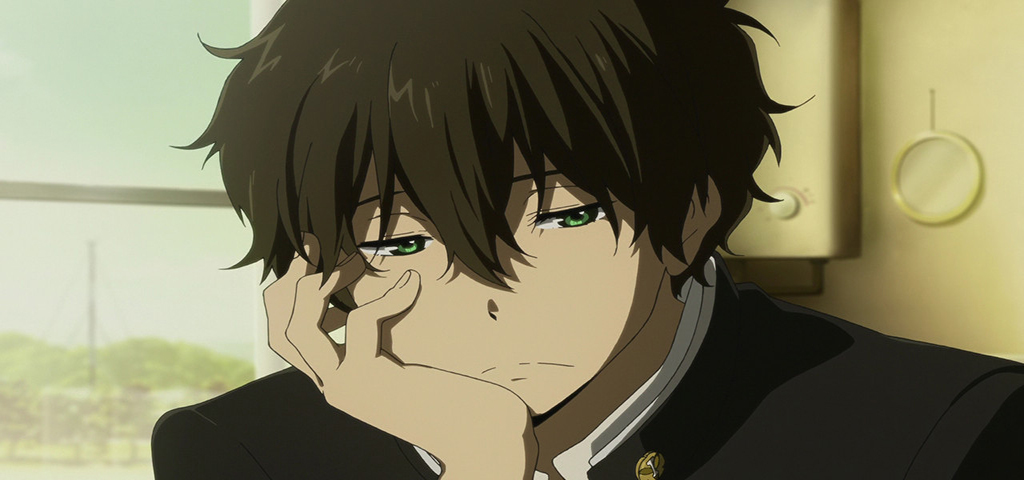
Summary: Hyouka follows Oreki, a low-energy high schooler who gets thrown into solving small mysteries by the curious Chitanda. Rather than focusing in big the show focuses on subtle, grounded puzzles that tie in to everyday school life and personal experiences.
Characters (7/10): The majority of the characters in this anime are nothing unique but well done, besides Oreki and Mayaka who are memorable, and not too one-dimensional character that they are un-interesting and their personal dynamics with eachother and minor characters are entertaining. This is BESIDES Chitanda. For the first 17 episodes (as can be seen here) I found her irritating. Pre-ep 17, she's a bland FL that disregards the MC's personal space every 5 seconds and stubbornly forces him to solve mysteries more pointless as time progresses. And when he ends up agreeing, she's no help and he ends up doing it alone, despite her being the "smartest". It feels very manipulative. I know she doesn't mean bad, but a she's stereotypical polite, no-personality, anime girl you see often, apart from this rlly annoying character trait that takes place once or twice an ep which is the only memorable thing about her. She develops and shows her true feelings in the last 4 episodes and is interesting then, but it took a long time to get to.
Story (7/10): The story focuses around solving minor mysteries and Oreki being a genius solver which is entertaining to watch. But the plot repeatedly progresses through Chitanda always forcing him to get involve became frustrating to watch eventually . It started out as "Please help me find out what happened to my uncle!" to episodes where it was situations such as "Please I need to know if these two random art images I've never seen before match I need to know!". And her expecting him to help and not taking no for an answer, like in ep 17 where he didn't want to + have time to solve one as he was solving her other mystery, and she starts saying "PLEASE ORUKII!" until its awkward and he's forced to comply. This format that initially worked well, coupled with repetitive jokes calling Orekui lazy and unbothered, made the anime fall flat after a while
Animation & Sound (9/10): Living up to Kyoto Animation's reputation, this animation and visuals are absolutely beautiful, despite it being produced in 2012, and combined with the complementary visuals is a standout point of this anime.

In the pages of romance mangas, protagonists and their love interests often meet in uniquely mundane circumstances. Yet from those ordinary interactions blossoms a journey—one they jump in and out of—until their paths finally align, allowing them to walk forward together. Sure, that journey may be filled with quips, halts, and doubts, but it mirrors what many people experience in real life as they navigate the complexities of love.
However, in reality, love isn’t always as turbulent as it’s made out to be. For many, it simply appears—no drawn-out “will they, won’t they,” no years of agonizing longing. Sometimes, love arrives quietly, in the least expected moment, without any dramatic buildup—just a coincidental, mundane interaction that connects two people and sets them on a shared path.
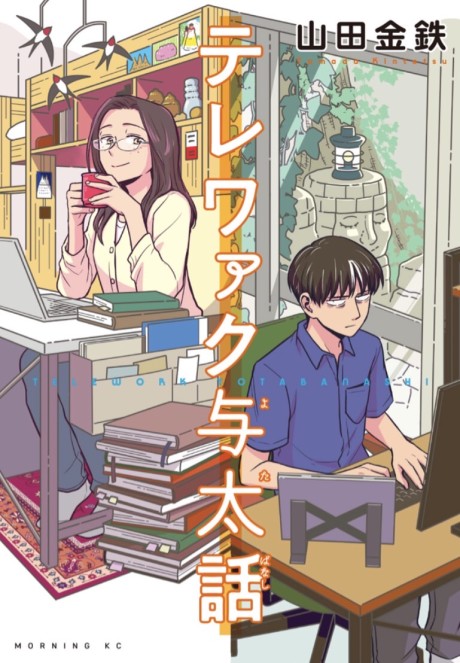
While I understand why writers often shy away from that kind of normalcy—it may lack an immediate hook—author Kintetsu Yamada proves that the quiet simplicity of romance can still be engaging with his short-run manga Home Office Romance, which showed that even the most unremarkable beginnings can blossom into something endearing and entertaining.
*
In Home Office Romance, we follow Nokoru Mitsuhashi, a corporate man stuck in the mundanities of his job. Due to the pandemic (which doesn’t play a major role in the story but serves more as a vessel to move the plot forward), he's forced to work from his apartment. It’s here that he encounters Natsu Izumi, a graduate student living next door.
From the start, we’re introduced to these characters in a way that makes their roles and personal situations instantly clear. The story hooks you with its seemingly mundane yet captivating approach—focusing on the slow-blossoming romance and meaningful connection that forms between Noroku and Natsu through the quiet rhythms of adulthood. Whether it’s conversations about futon brands, gardening, furniture building, venting about work, sharing passions, or something as simple as overseeing each other’s schedules, each moment feels endearing and sincere.
The manga also thoughtfully explores the different stages of romance, particularly through Noroku’s internal struggles—his worries about where their relationship stands, especially when things haven’t been made official. His inner monologues and careful consideration of Natsu’s feelings are heartwarming, and the story never drags these moments out to the point of repetition or annoyance. Natsu, on the other hand, contrasts Noroku with her warm presence and forward-spirited mindset. The blend of their energies makes this series overwhelmingly sweet, all within the intimacy of its compact setting.
Noroku and Natsu’s relationship is one of the most engaging romantic couples we've seen in fiction—not because of the earth-shattering events that lead them to where they are, or how tragic their backstories are that paid off once they're together, but rather, these are just normal people living through normal lives in this normal world. In the billions of people with different professions, circumstances, and passions, somehow, there will be someone out there that completes you in ways you've never foreseen. Noroku and Natsu’s relationship proves that love will always come to people—whether we ask for it or not, whether we think about it or not.
The down-to-earth, realistic setting of the manga makes you feel like romance is an essential part of what makes humans human, reading their interactions toward each other as if you're reading a biography of their earliest years together—seeing Natsu taking a couple of moves toward Noroku in the blink of our eyes, while Noroku flimsy figures out the signs—to a couple where they both satisfied their wants and needs, and their yearns in their lives. It's a romance that works because they feel like real people.
Though, to put it to note, the author has made a similar yet longer series titled Sweat and Soap. Both this and Sweat and Soap are among the most essential romance mangas to read—not because they portray romance as something we chase, nor as something cynical where there can only be one winner amidst losers, but because they offer a hopeful perspective on love. This is especially true for their target audience: adults who are simply getting by in life.
This series clearly reflects the wants and needs of 21st-century working-class individuals who will—one day—have their own sort of romance story to cherish. If there is a propaganda for romance, this is the poster child for it.


Home Office Romance feels like a warm hug when reading it—a hopeful display of romance that everyone can enjoy. With its stripped-down, less-stimulating, less-trope-y formula, it focuses only on the essential bits: endearing and sweet characters that truly tingle the heart. I highly recommend this to everyone, with the added bonus that you can easily finish it in under an hour—perfect for a quick commute read. ***

 This random girl, who's called Kitahara gives lonely guy who we will call Kurosawa (Main Character) these nasty task to do for her since she gets bullied by these popular girls, getting picked on, causing self harm, anger, and this anger leads to having to ask Kurosawa to ejaculate on the bullies textbooks, school clothes, etc. Why ask Kurosawa? Apparently during the time when she was getting picked on by the bullies, Kurosawa couldn't take it and ejaculate on the bullies school clothes. Later he's in his little stall in the girls bathroom pleasuring himself like usual since it's his daily routine during/after school, Kitahara is onto something and knows that Kurosawa isn't a cleaner cleaning the girls restroom.
 Kitahara is very caught up onto what Kurosawa did since it makes sense that he's in the girls restroom in a stall when he could just use the men's stall. Kurosawa is caught in his daily freaky routine and has to admit that he was there doing something freaky, and she knew that he had to do something about ejaculating on her bullies school clothes so Kurosawa thinks he done for but she askes him for a favor and his secret will be save with her. The favors she ask Kurosawa to do is something maybe Kurosawa can basically only do since he did manage to secretly ejaculate on her bullies clothes and traumatize them, which is to ejaculate on people she deeply hate belongings.
 I say it's kind of wrong to inspire Kurosawa to continue this constant satisfaction he has and use it to traumatize her bullies, but Kurosawa does it anyways so he can peacefully pleasure himself without having it being spread around the school.
 I also did like the female character designs.
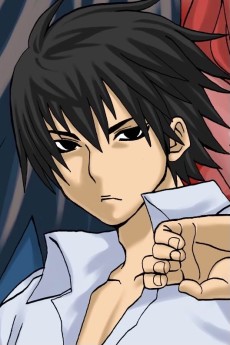 Kurosawawas something else really. He was dragged into all of Kitahara's bullying only because he was caught and had to sign a deal to do whatever favor she desires for him to do, just to not have his secrets published around the school. A character I added to my favorites.
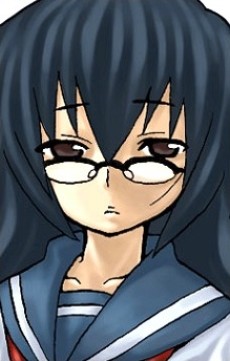 Kitaharawas understanding, trying to get revenge on her bullies for causing a horrible school experience, not giving her peace and only using her for their satisfactions. She did get annoying after Kurosawa disagree to do a task for her and basically broke Kurosawa by having the only girl he liked throughout the middle of the manga (until the ending which I will get to that after this category) get with his friend Nagatsuka. Though her experience was very sad and understanding, I wouldn't consider her a good person. The ending was pretty nice though where she got back on her feet.
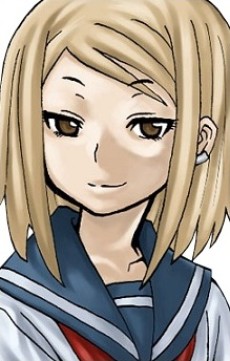 Sugawa, a bully of Kitahara. Surprisingly got with Kurosawa at the ending of the manga which wasn't so bad for me since Kurosawa became a changed man at the ending.
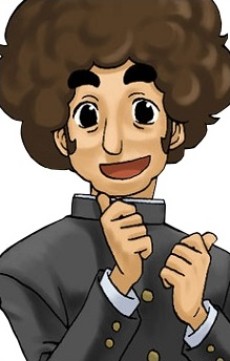 Nagatsuka, he clearly wanted to be friends with Kurosawa throughout the start until the end where they became friends, surprisingly got with Kurosawa's little crush.
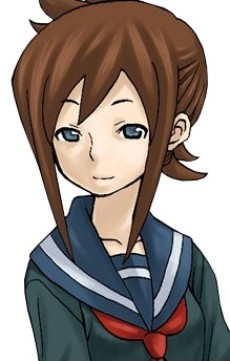 Takigawa, one of the popular girls. I honestly rooted for Kurosawa and her mostly. The part where it came to where she got with Nagatsuka broke me really, Kurosawa and Takigawa really had something going on.
There's more supporting characters but I won't be getting into them since they weren't really there most of the time.
Takigawa, one of the popular girls. I honestly rooted for Kurosawa and her mostly. The part where it came to where she got with Nagatsuka broke me really, Kurosawa and Takigawa really had something going on.
There's more supporting characters but I won't be getting into them since they weren't really there most of the time.
 Everyone had a solid ending, including Kurosawa and Sugawa engagement.